• start here
  • about
  • itineraries
  • brooke beyond

  • hiking guides
  • outdoor gear
    • hiking boots
    • hiking backpacks
    • cold-weather layers
    • backpacking tent
    • outdoor sleep system
    • backcountry food
    • day-hike packing list
    • hut-to-hut packing list
    • via ferrata packing list
    • backpacking packing list
    • mountaineering packing list

brooke beyond

Aus + NZ / Australia / New South Wales

Driving the Legendary Pacific Coast (day 3): Nambucca Heads, Waterfall Way & Coffs Harbour

15 September 2018

Last Updated on 9 February 2021

After an amazing two days road tripping from Wollongong to Newcastle and continuing on through Port Stephens and Port Macquarie, Diana and I are beyond excited for another day on the road. We’ve got quite a distance to cover today, making our way from Nambucca Heads all the way to Runaway Bay on the Gold Coast so that we can begin our research with the NRL tomorrow, but there are still heaps of exciting stops planned that should break up the drive nicely.
Nambucca River at sunrise

Nambucca Heads

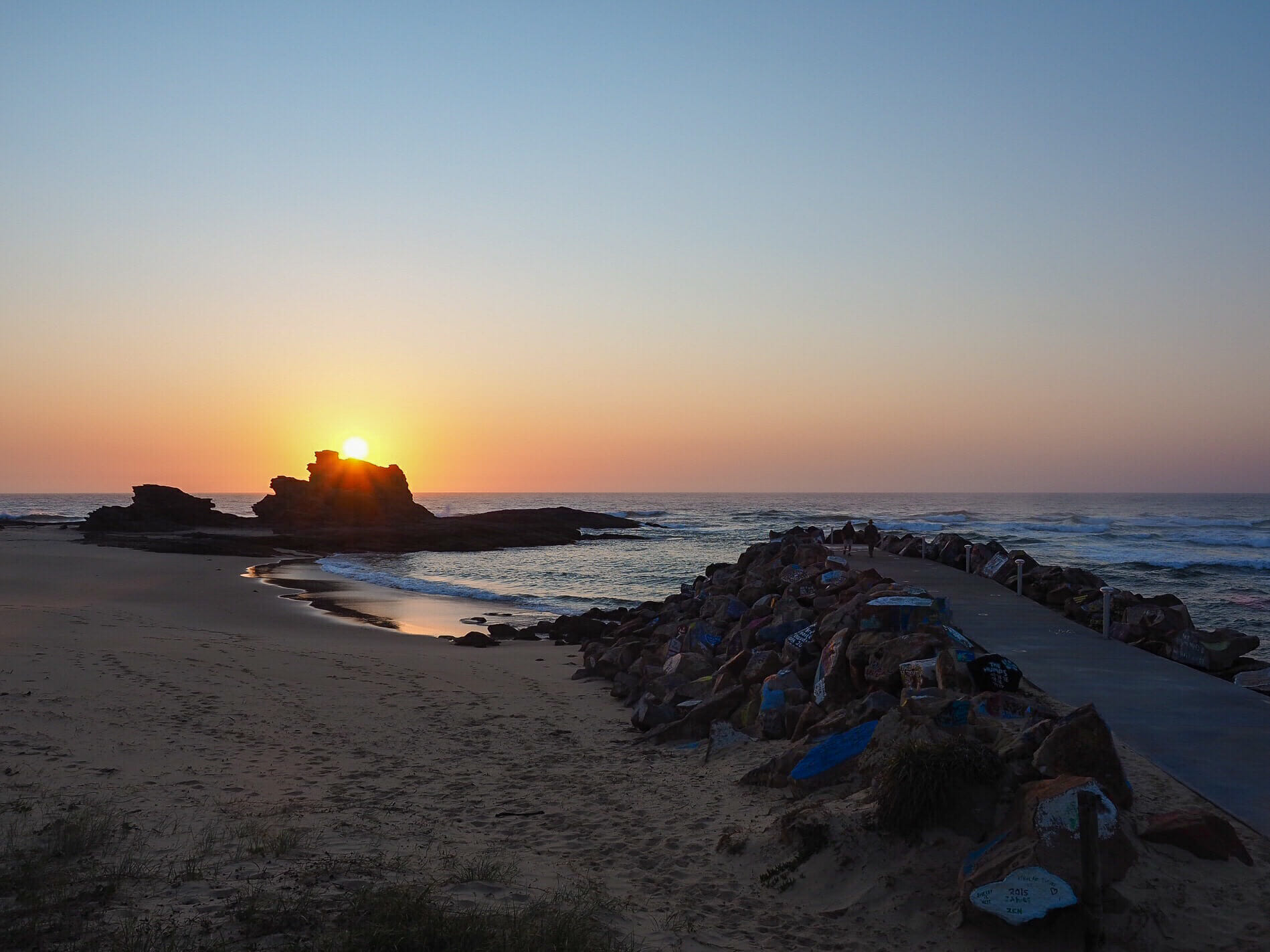
Much to our disappointment, the sun had just gone down when we arrived in beautiful Nambucca Heads last night, so we made an ambitious plan to wake up in the dark and get to Pilot Lookout for sunrise. No one is more surprised than I am when I do actually get up for my 5.20am alarm (I can probably count on one hand the number of sunrises I’ve woken up for), but I think the ridiculously early bedtimes are finally catching up to me. I have felt like such a granny going to sleep at 8.30pm, but the obvious benefit is that I can now rise early to make the most of the daylight hours!

Diana and I set out from our cute little riverfront hotel with a slow walk that gradually transforms into an enthusiastic power walk as we notice the sun beginning to peak over the horizon. Although Nambucca can be crowded during summer holidays, it feels as if we have the place entirely to ourselves (plus or minus a few grey nomads out for their morning stroll) and the serenity is staggering.

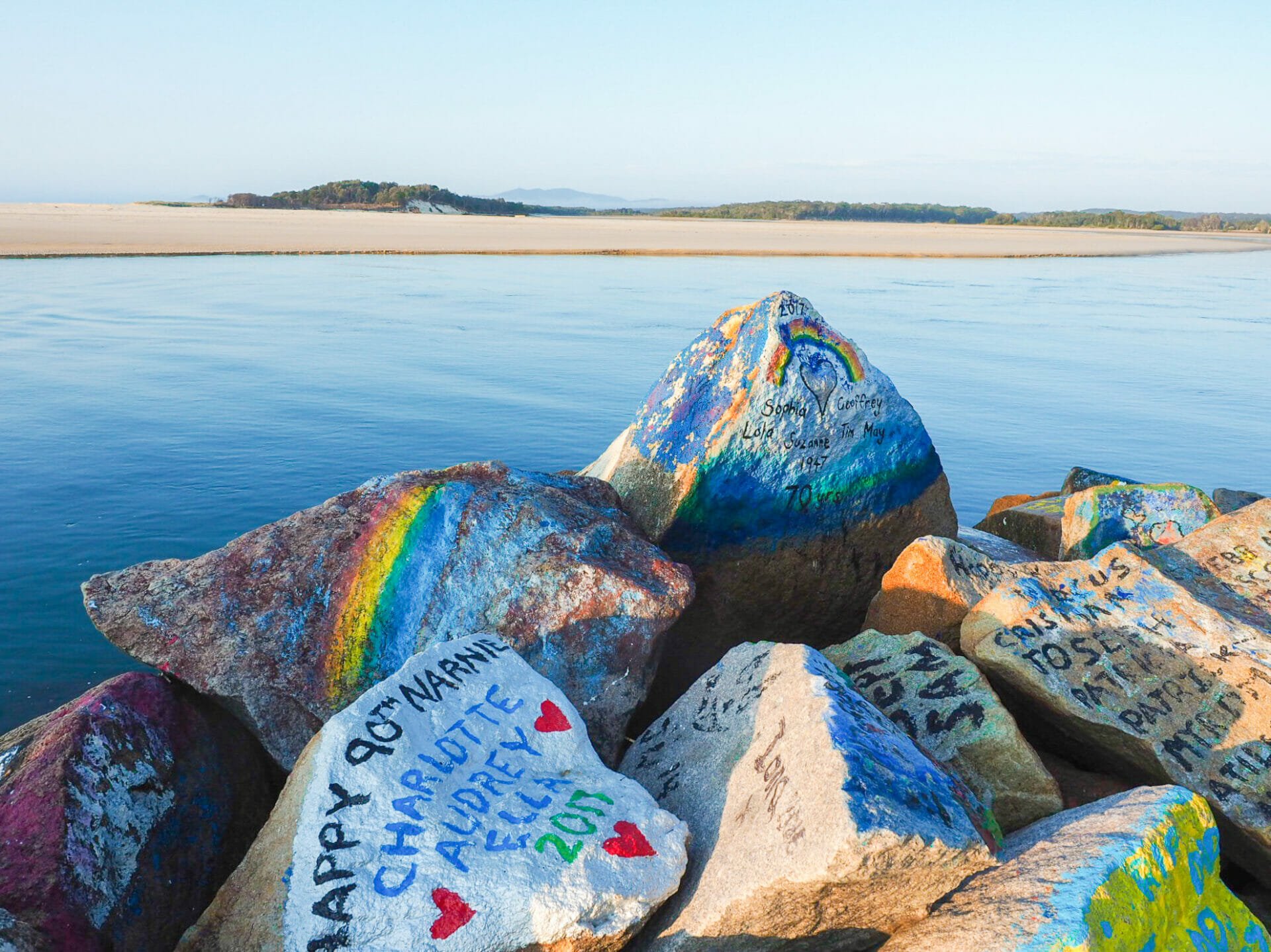
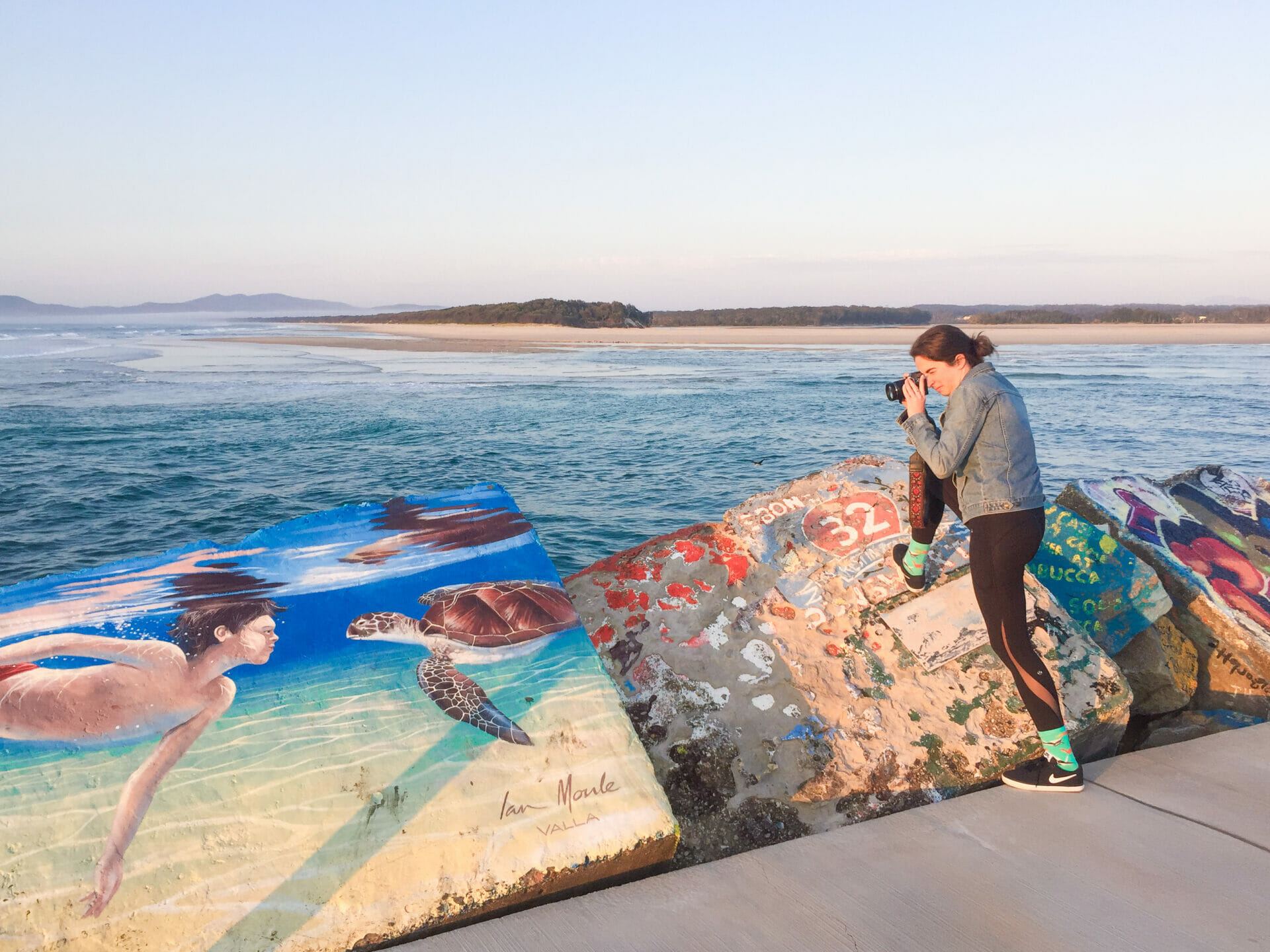
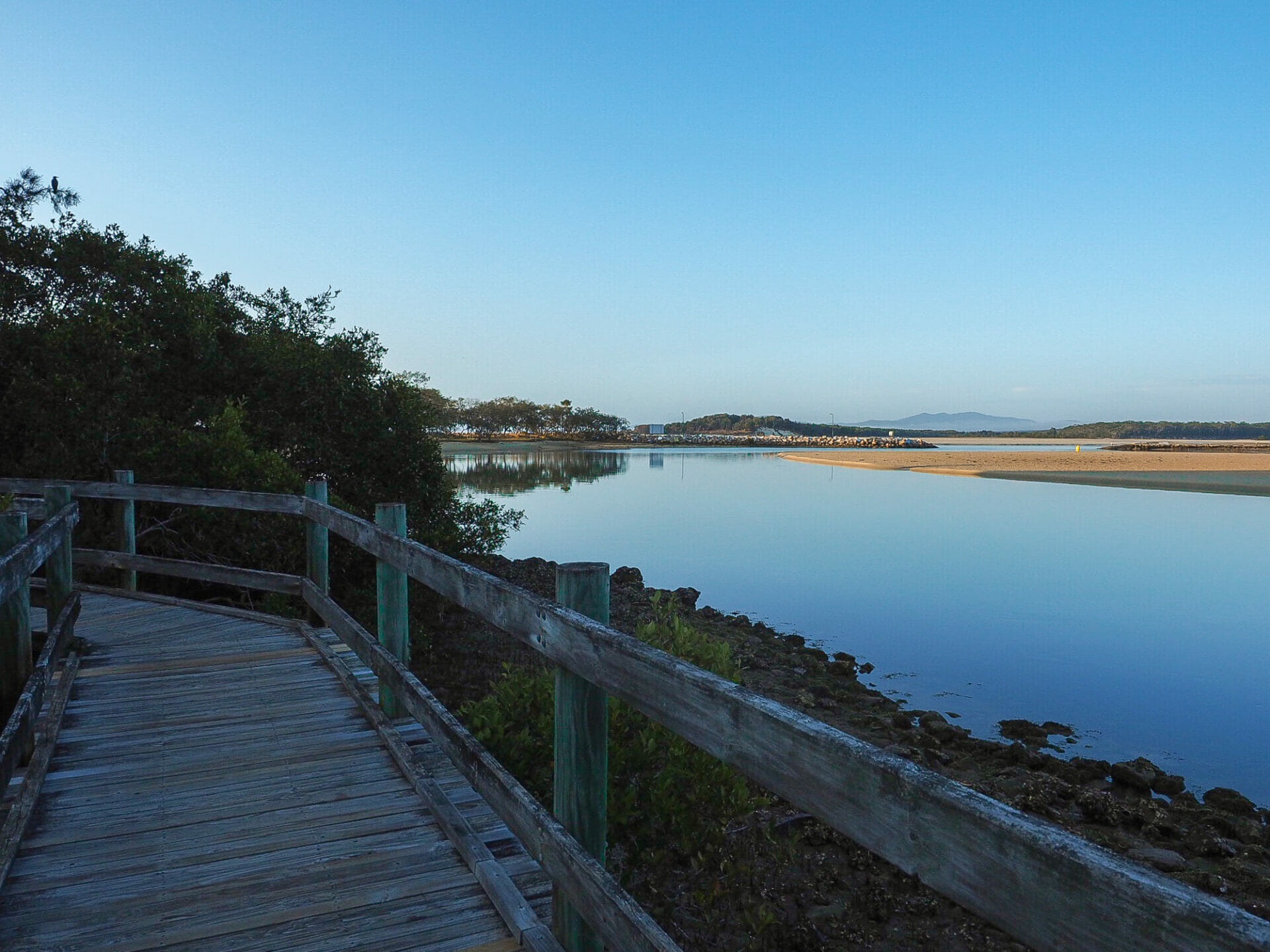
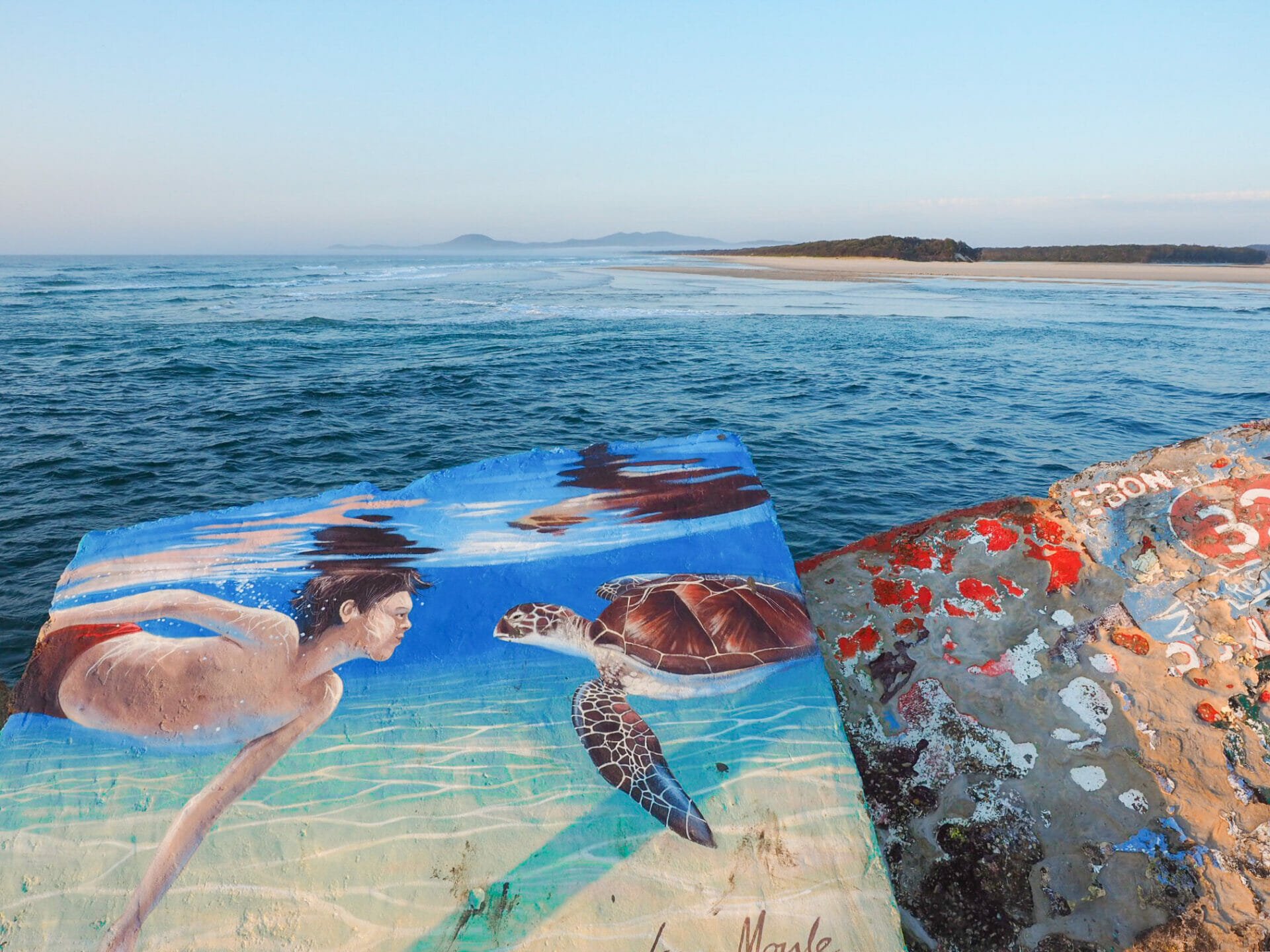
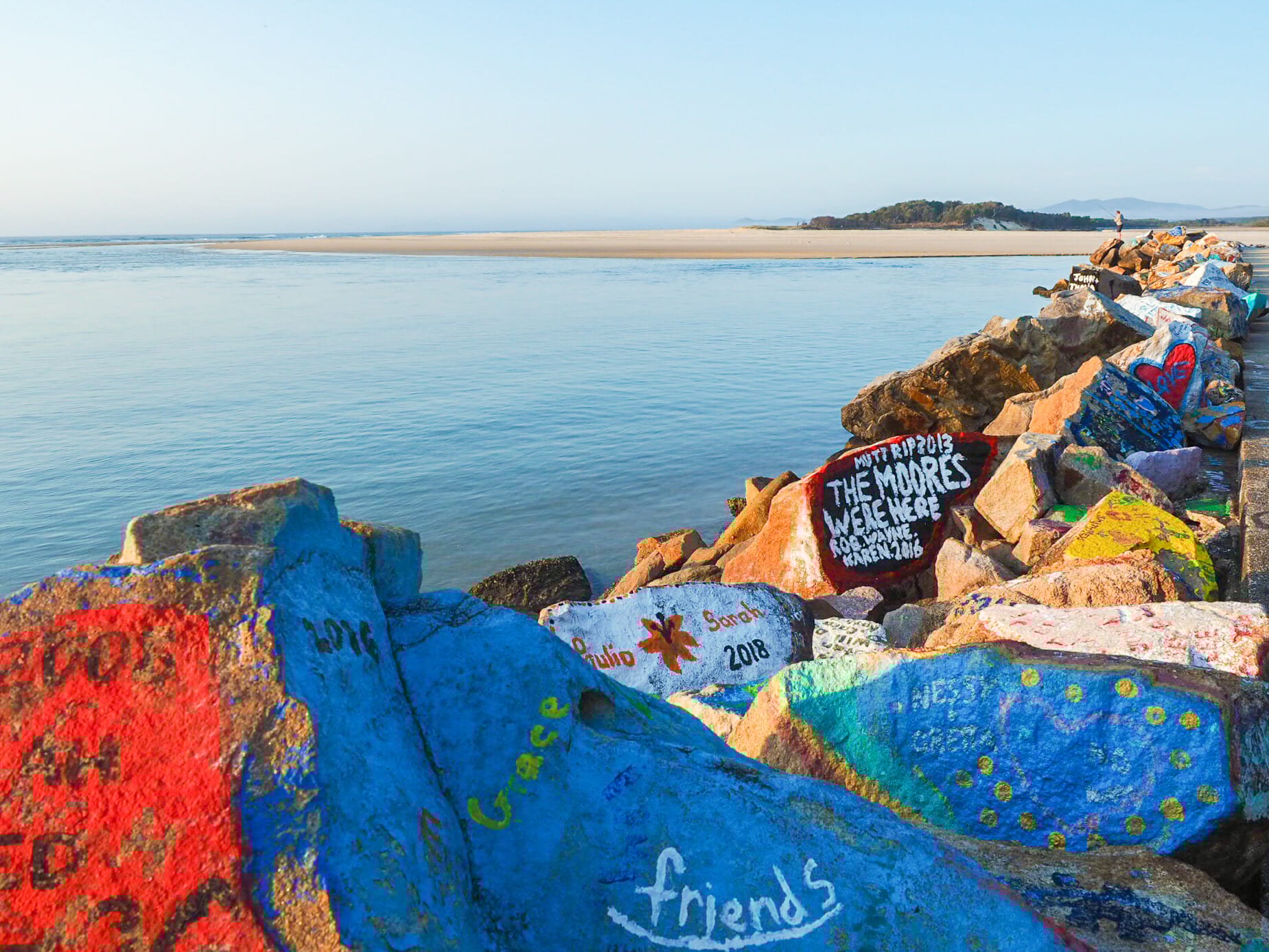
The Foreshore Walk, which came highly recommended by Diana’s boyfriend who holidays here annually with his family, winds all along the Nambucca River, alternating between a footpath and an over-the-water boardwalk that eventually brings us to the colourfully painted breakwall. We get distracted by some particularly artistic rocks before realising that the sun is well and truly on its way up now. Not wanting to miss a single moment, we sprint the final distance along the breakwall, reaching Pilot Lookout just in time to watch the light break over the rocks.

The colourful breakwall
Sunrise from Pilot Lookout
Golden morning light in Nambucca Heads
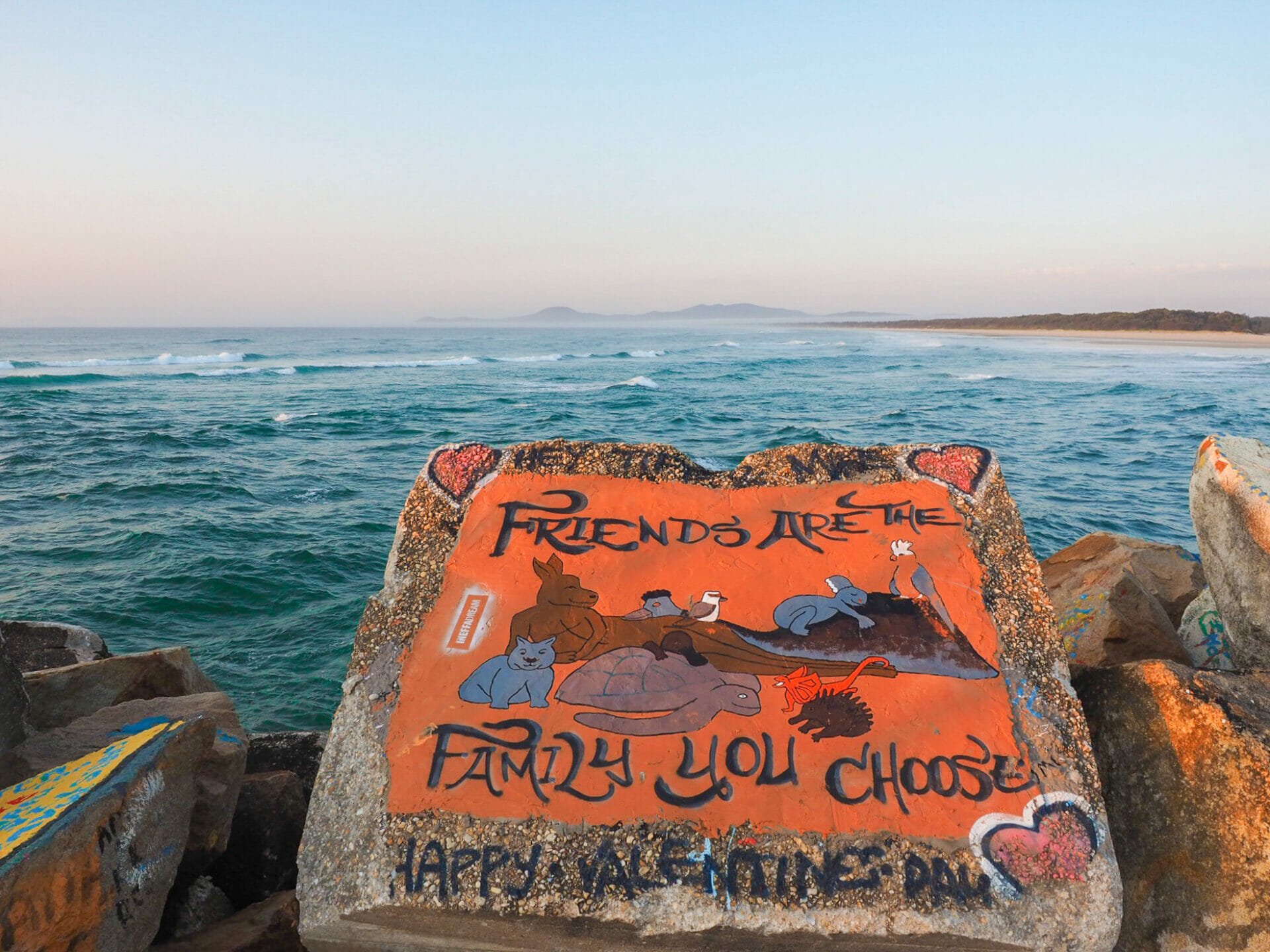
The breakwall is full of interestingly painted rocks
Serious photographer pose

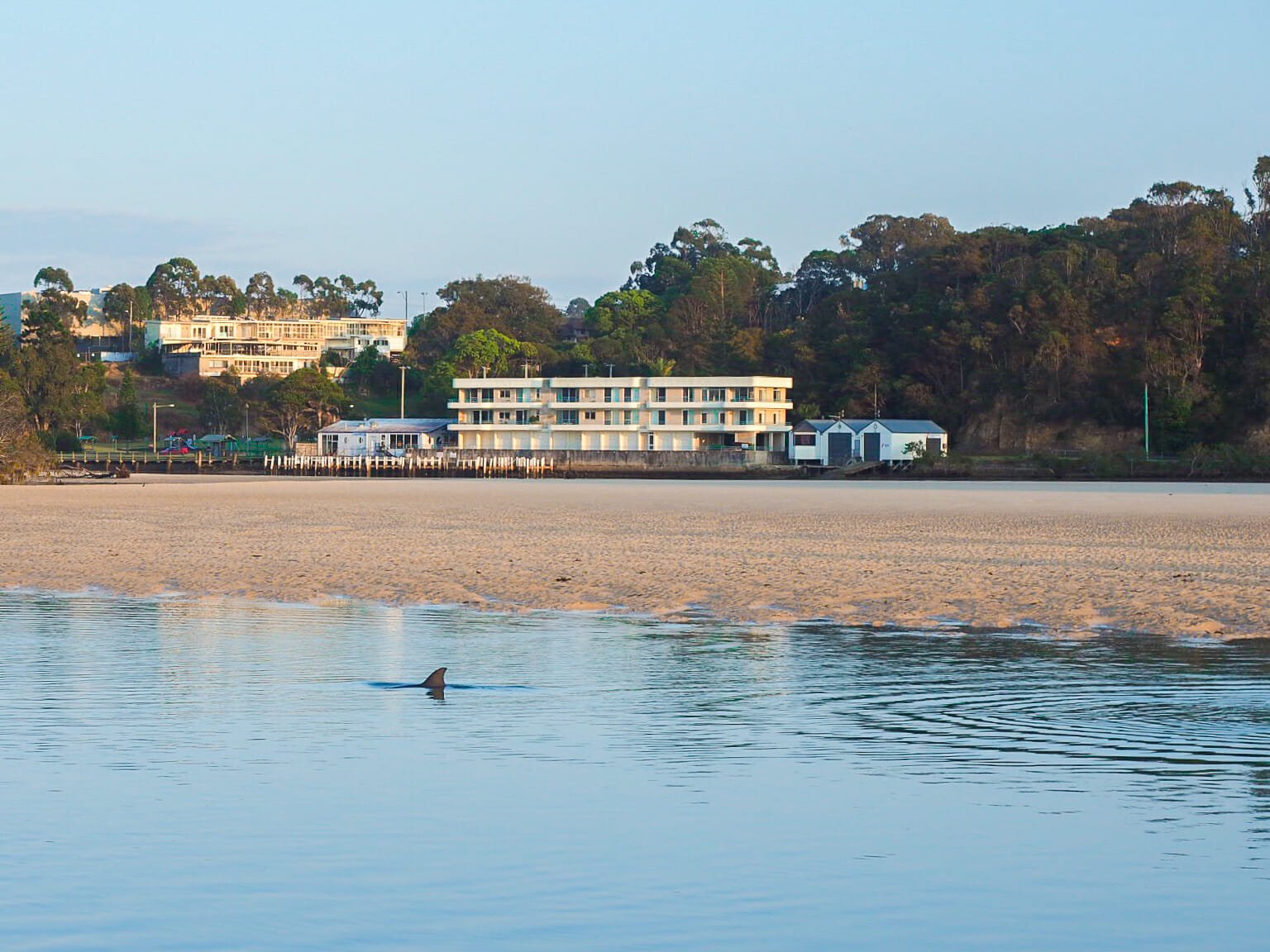
Now that the sun is up, we finally have the lighting to explore more of the vibrant breakwall, but it’s not long before we are pulled away again by the passing information that dolphins are playing in the river a few minutes away. We hustle over with plenty of time to see half a dozen bottlenose dolphins splashing and swimming around near the river mouth, and we are both exploding with excitement. I don’t think I’ll ever tire of seeing wild animals in their native environment.. there is just something so magical about watching a dolphin swim and surf and jump in the ocean (or river, as it may be) that can never be replicated in a zoo.

Diana strolling along the Foreshore Walk
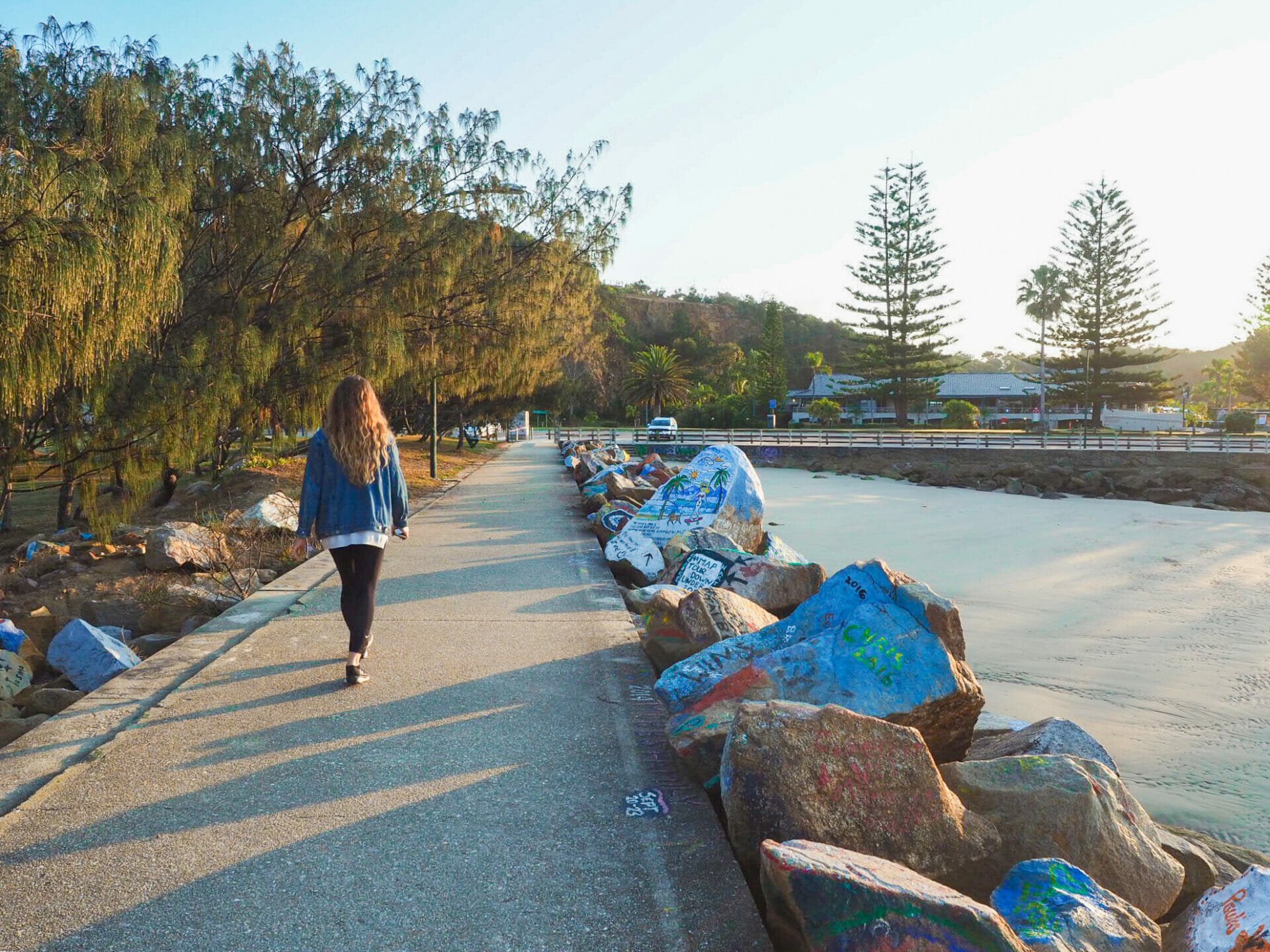
Nambucca Heads Foreshore Walk
Dolphins swimming in the Nambucca River
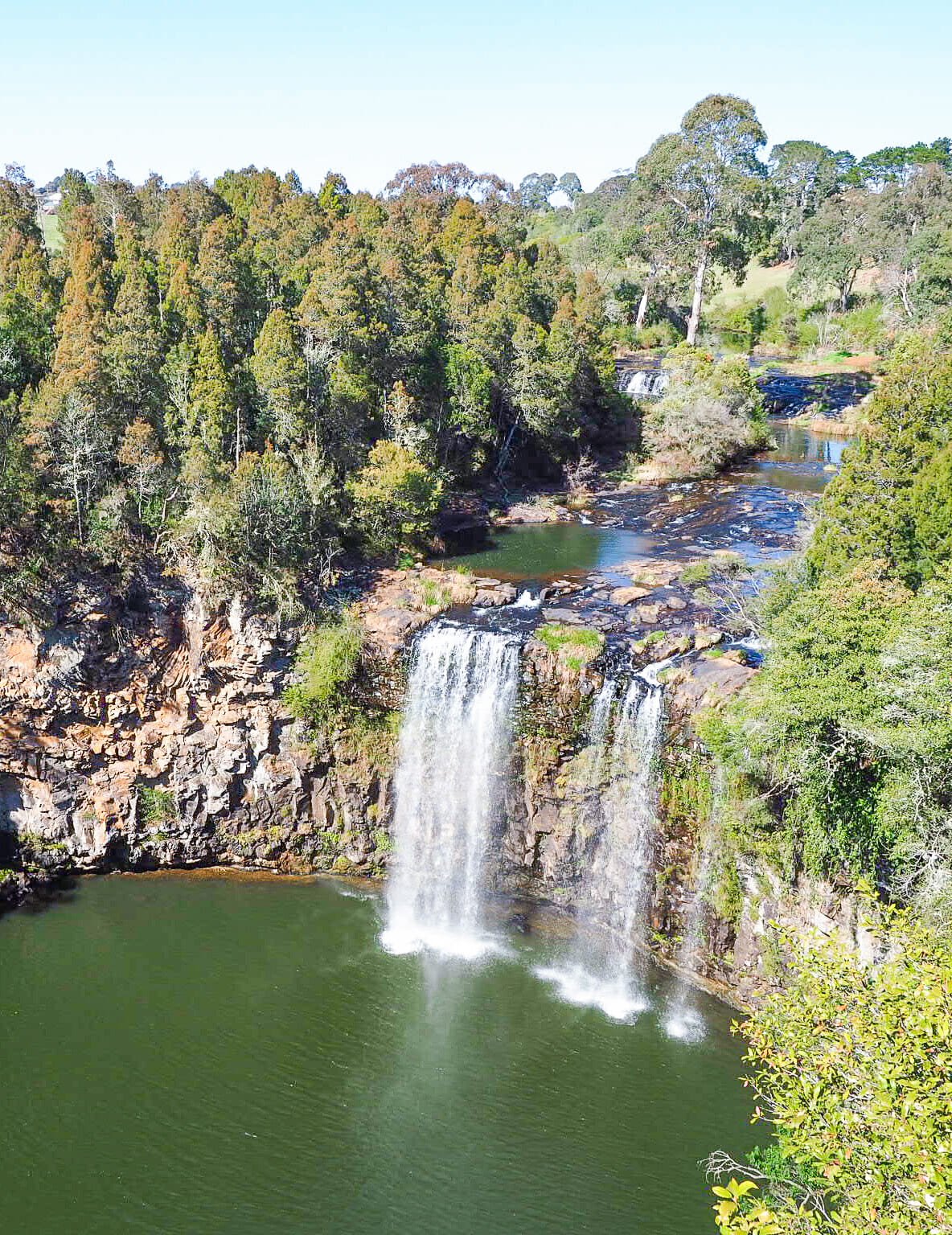
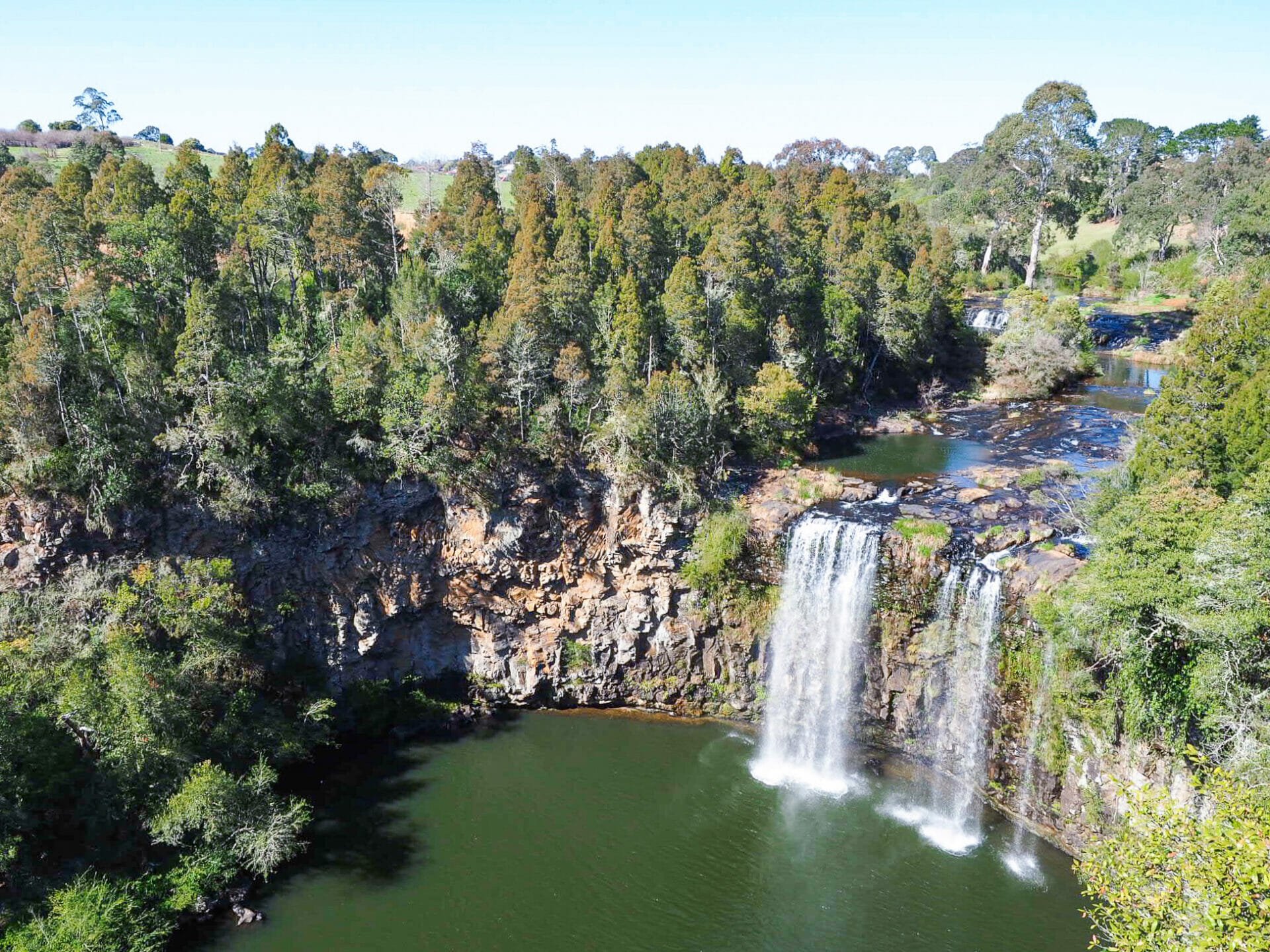
Diana looking out over Dangar Falls

Dangar Falls

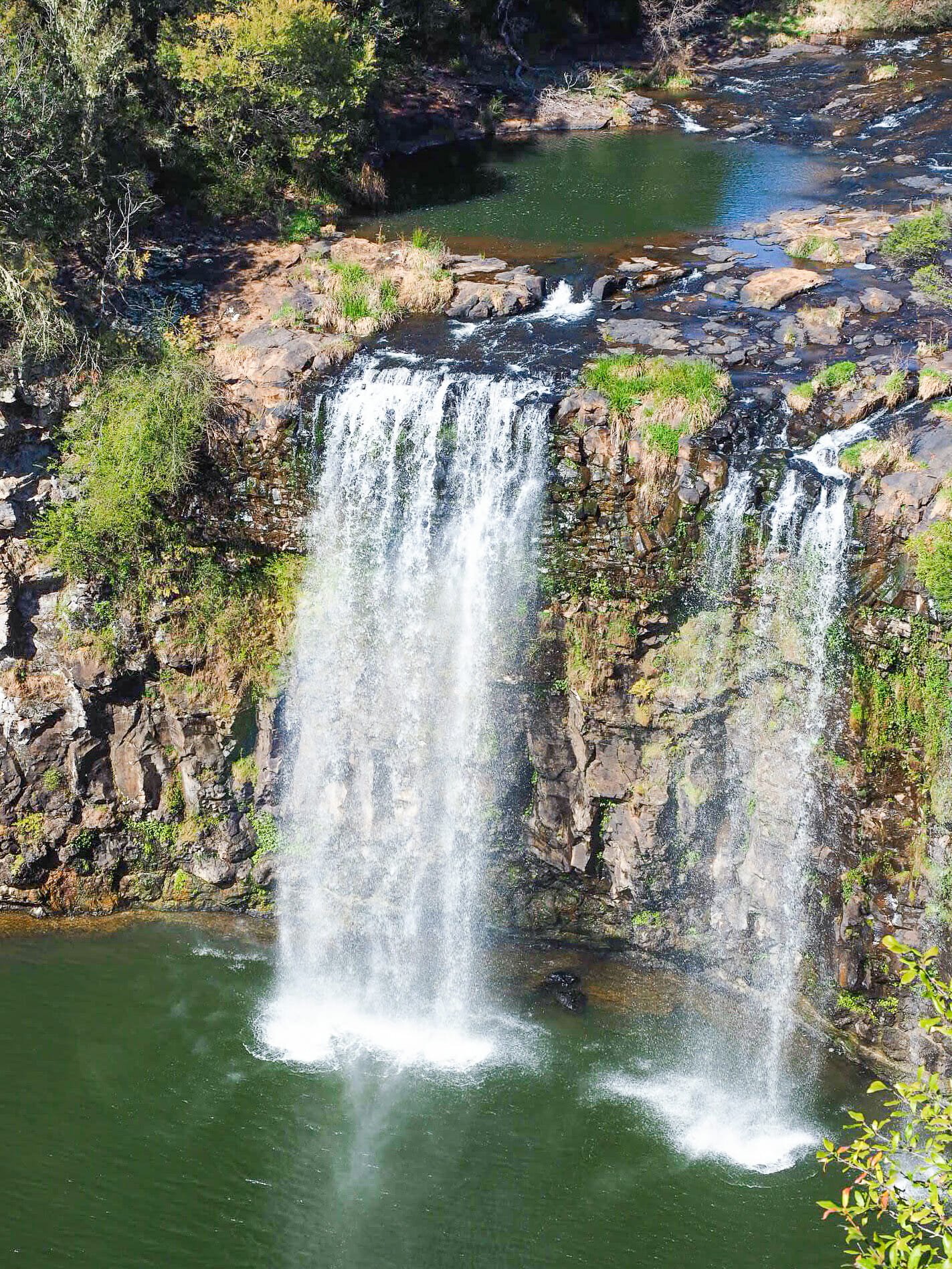
Back at our hotel room in Nambucca Heads, we enjoy a quick breakfast on the balcony before hopping in the car and cruising along aptly-named Waterfall Way for our first stop of the morning. The drive is pretty much exactly an hour (although it feels at least double that when I get stuck behind a driver determined to do half of the posted speed limit on a one-lane road), so it’s still plenty early when we arrive at the amazing Dangar Falls just a couple kilometres outside Dorrigo. I’m not sure if it’s our early arrival or the time of year, but we enjoy the beautiful waterfall all to ourselves from the viewing platform! If not for our jam-packed itinerary, I’d already be halfway down the trail to see the falls from below, but we’ve had to make a few sacrifices to fit all our top stops in, so it’s not long before we are back in the car and en route to nearby Dorrigo Rainforest Centre.

Our first stop along Waterfall Way
Dangar Falls

Enjoying the Wonga Walk from Dorrigo Rainforest Centre

Dorrigo Rainforest Centre

I left time in our morning schedule to spend an hour in the rainforest, so when we arrive at the Dorrigo Rainforest Centre, we make a beeline inside to speak to the park ranger for recommendations on how to best fill our little time slot. The woman inside sweetly waves away the $2 entry fee (since we don’t have any cash on us) and then helps us map out a visit that consists of the Sky Walk, a wooden boardwalk overlooking the rainforest, Dome Mountain, and a few other distant hills; a section of the Wonga Walk; and beautiful Crystal Shower Falls.

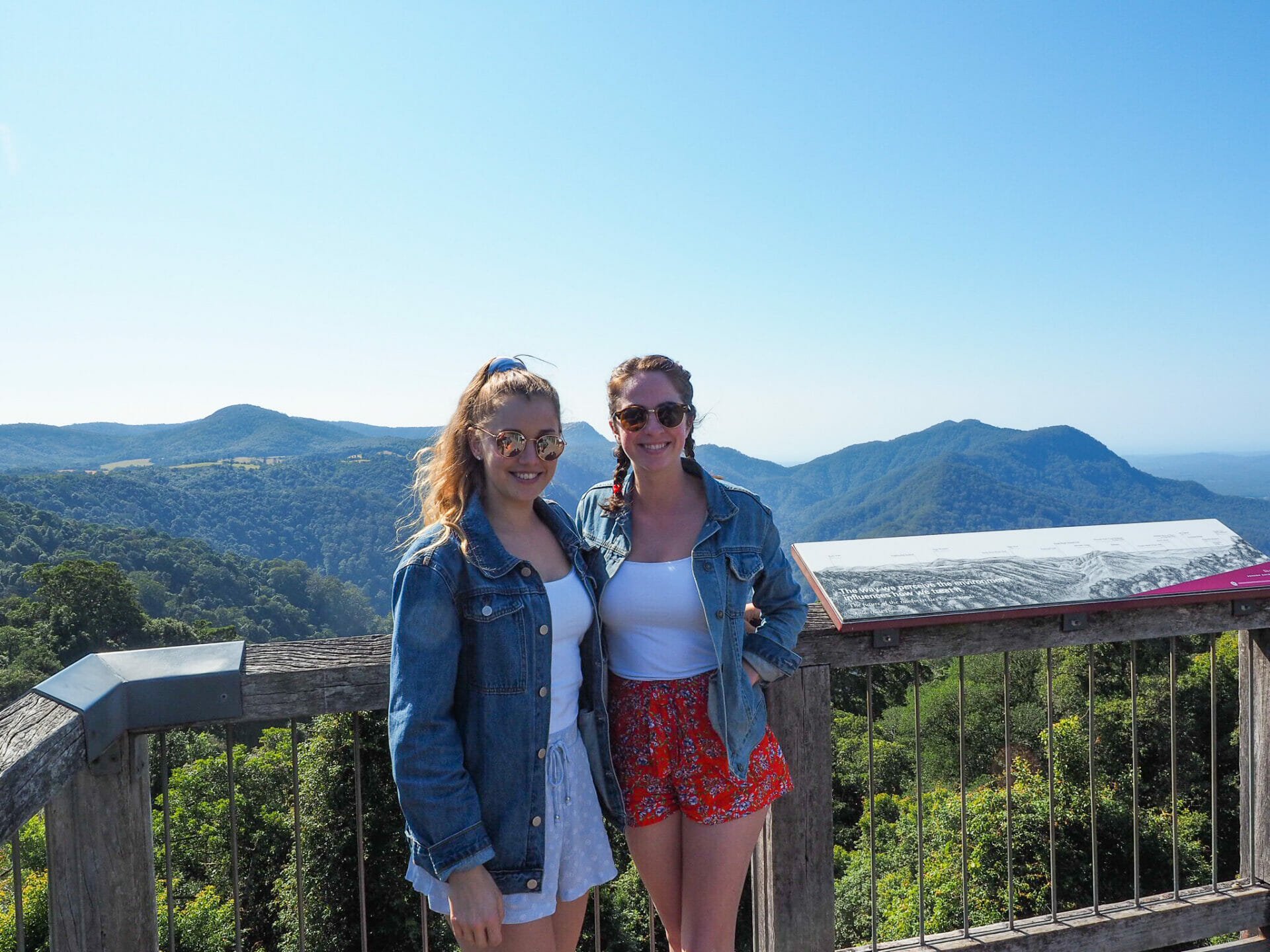
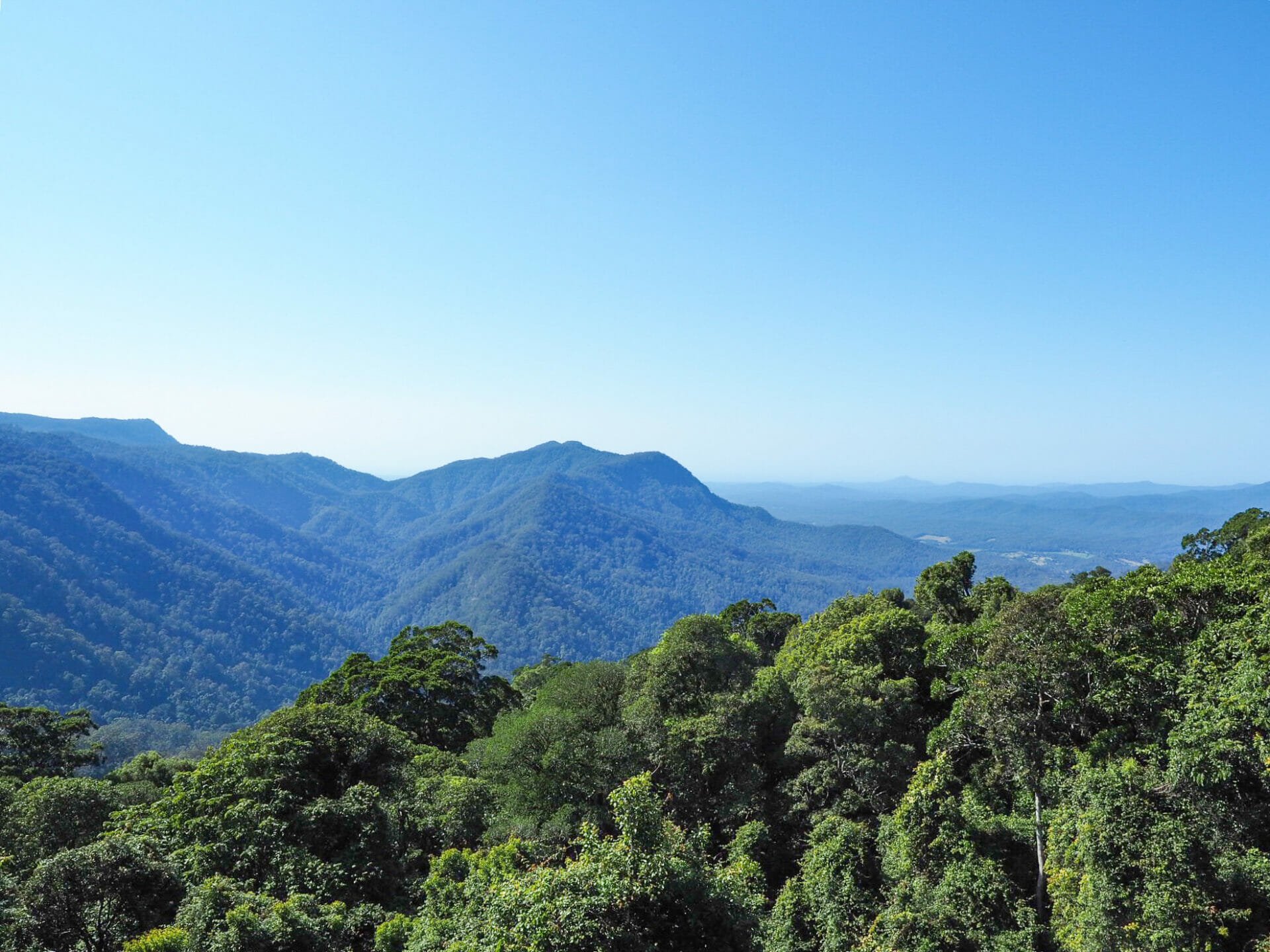
From the end of the Sky Walk, I can see nothing but lush vegetation in varying hues of green and blue, apparently unaffected by the lack of rain we’ve had this year. We spend a few minutes taking in the view, even having a nice family snap our photo, before hurrying back to the car to start the Wonga Walk.

Me and Diana on the Sky Walk
The Sky Walk from Dorrigo Rainforest Centre
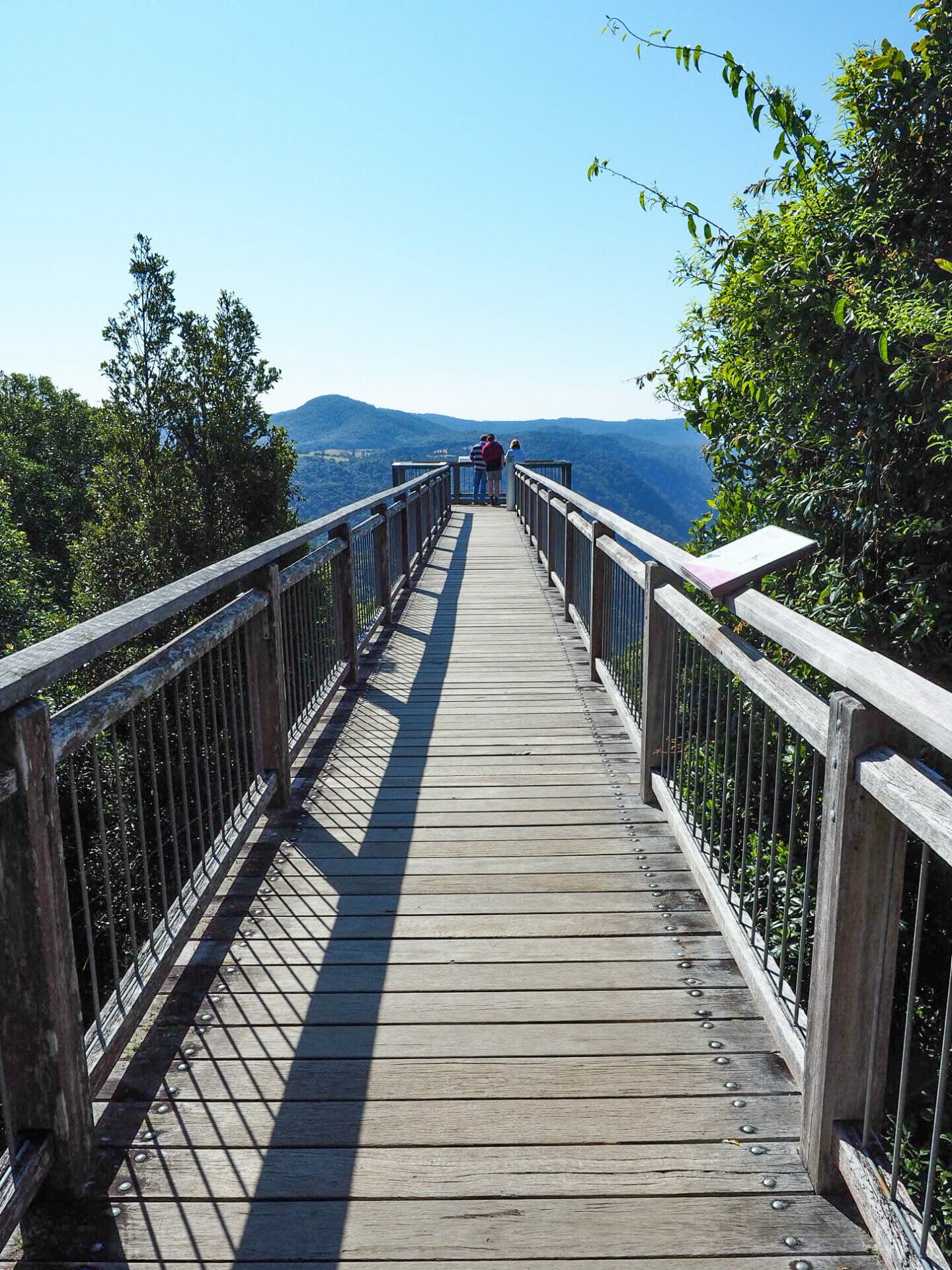
Dorrigo Rainforest Centre

Dome Mountain and the Dorrigo Rainforest
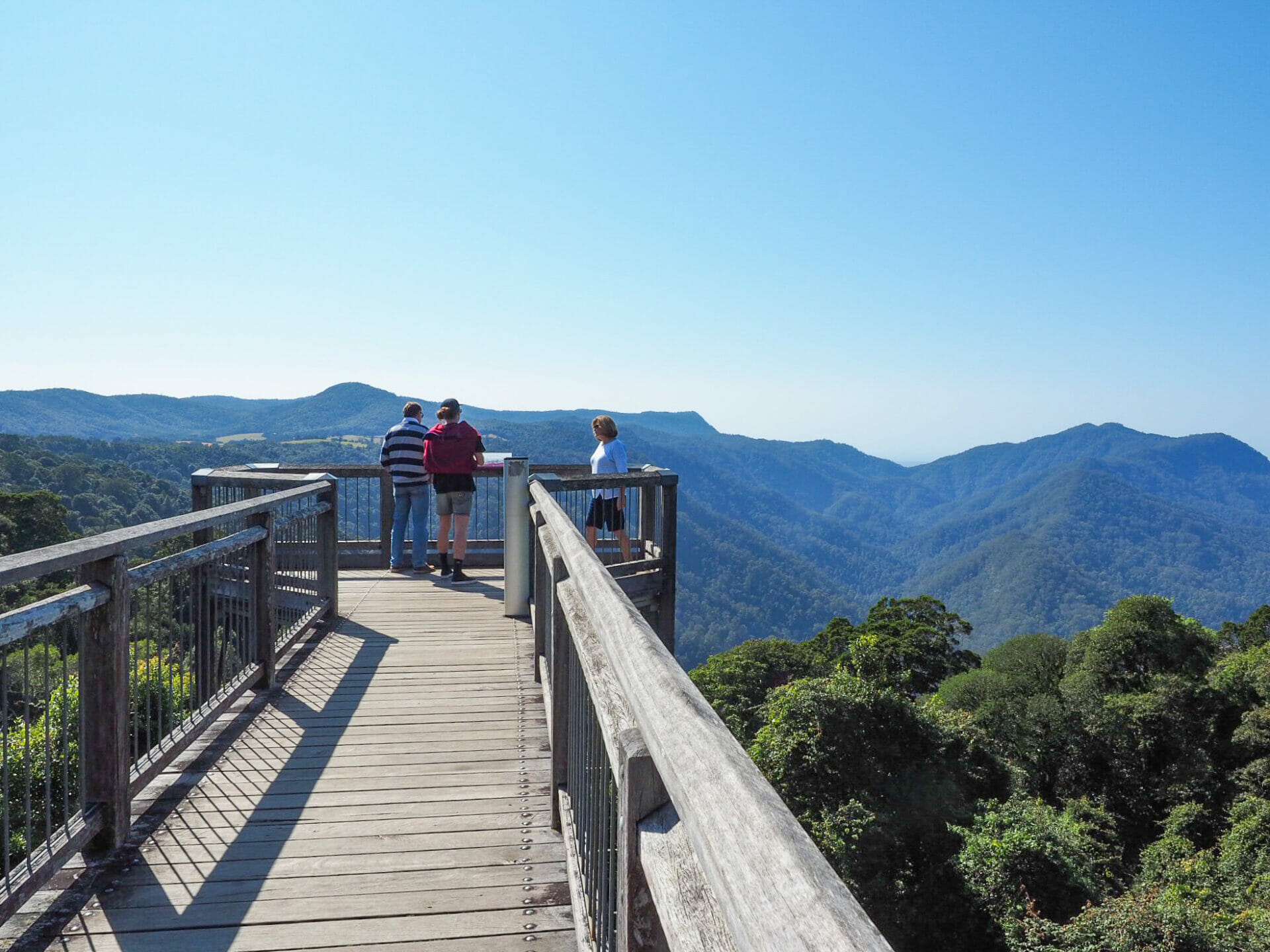
Running around awkwardly with my camera
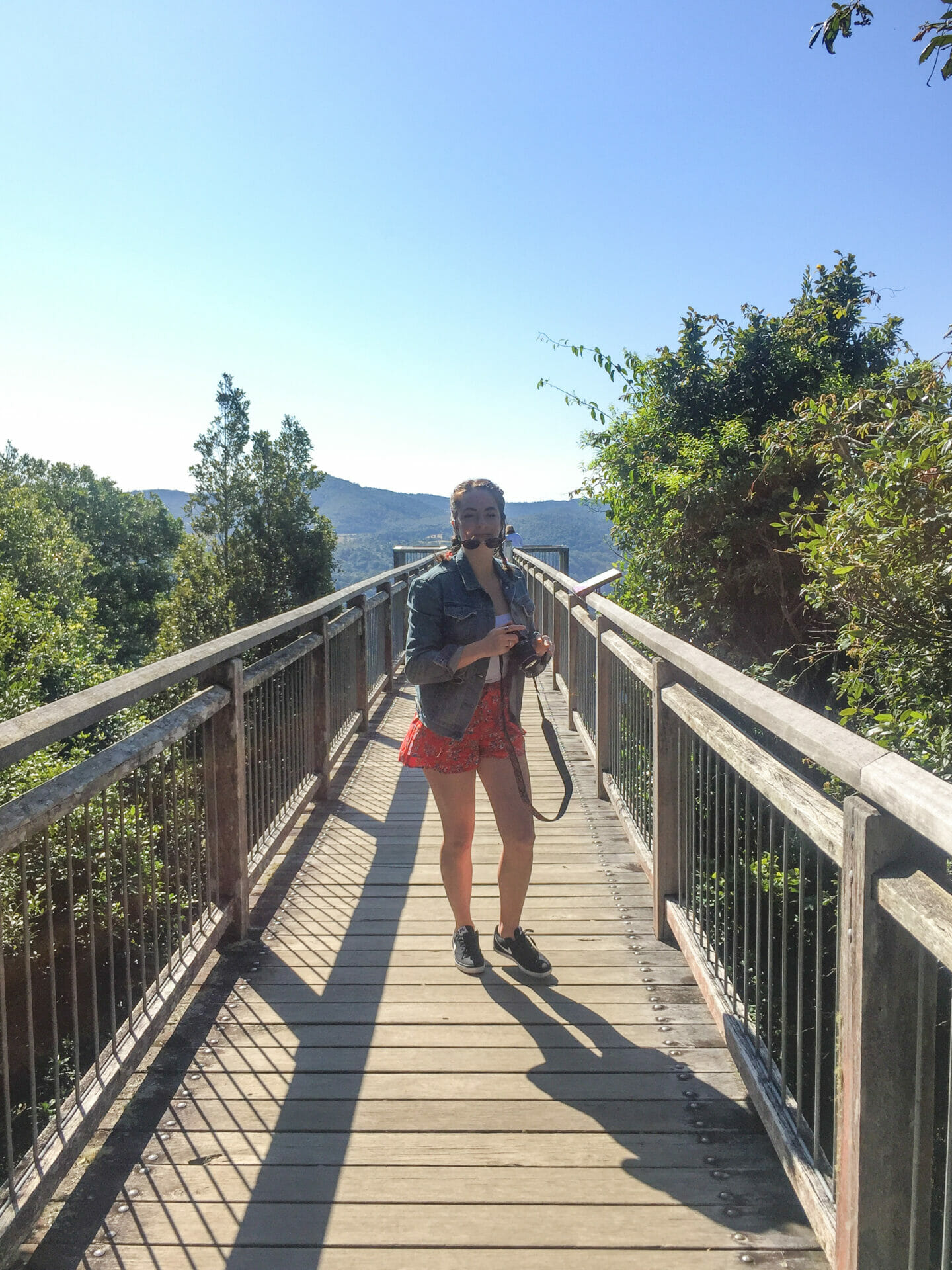
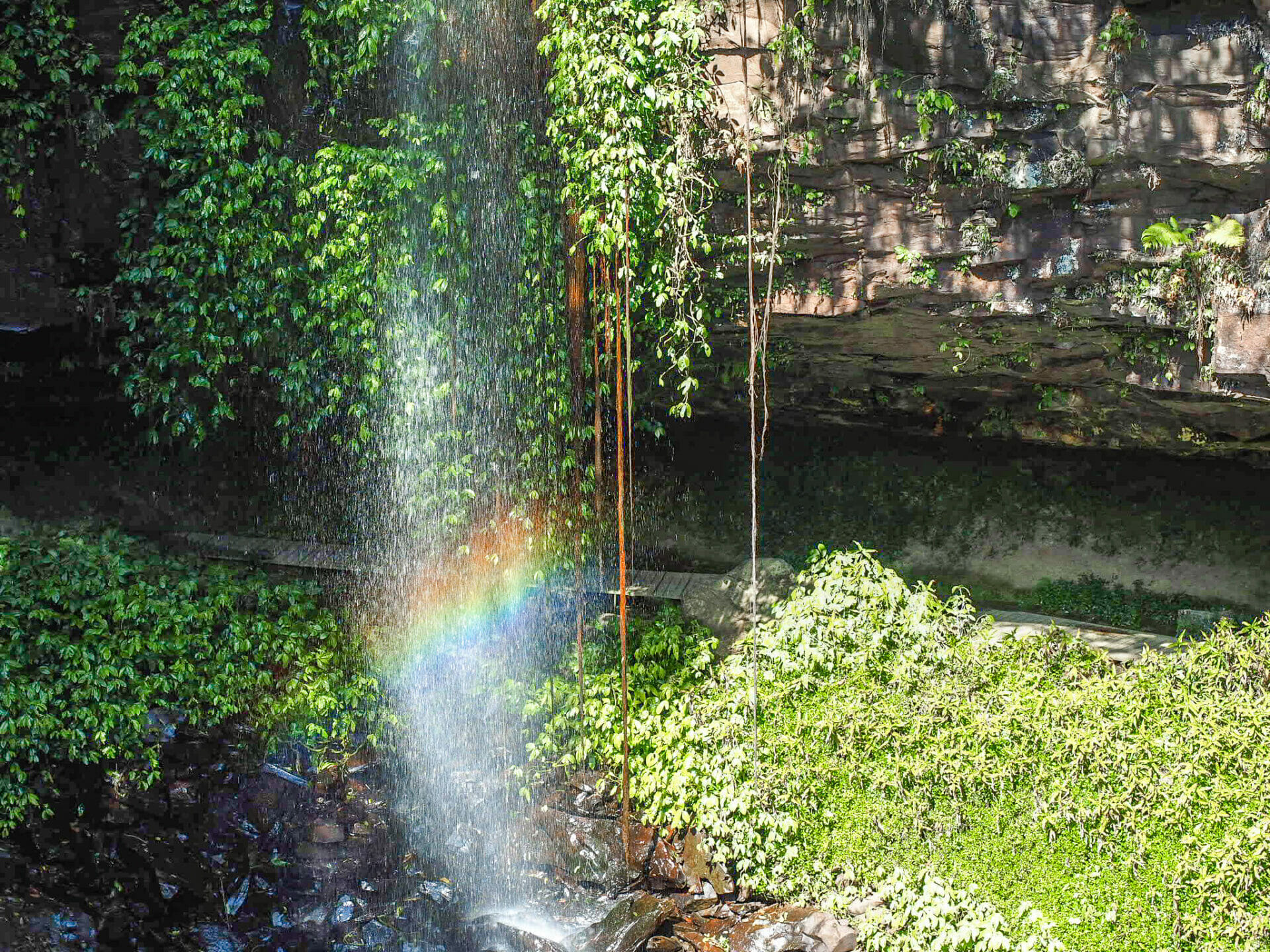
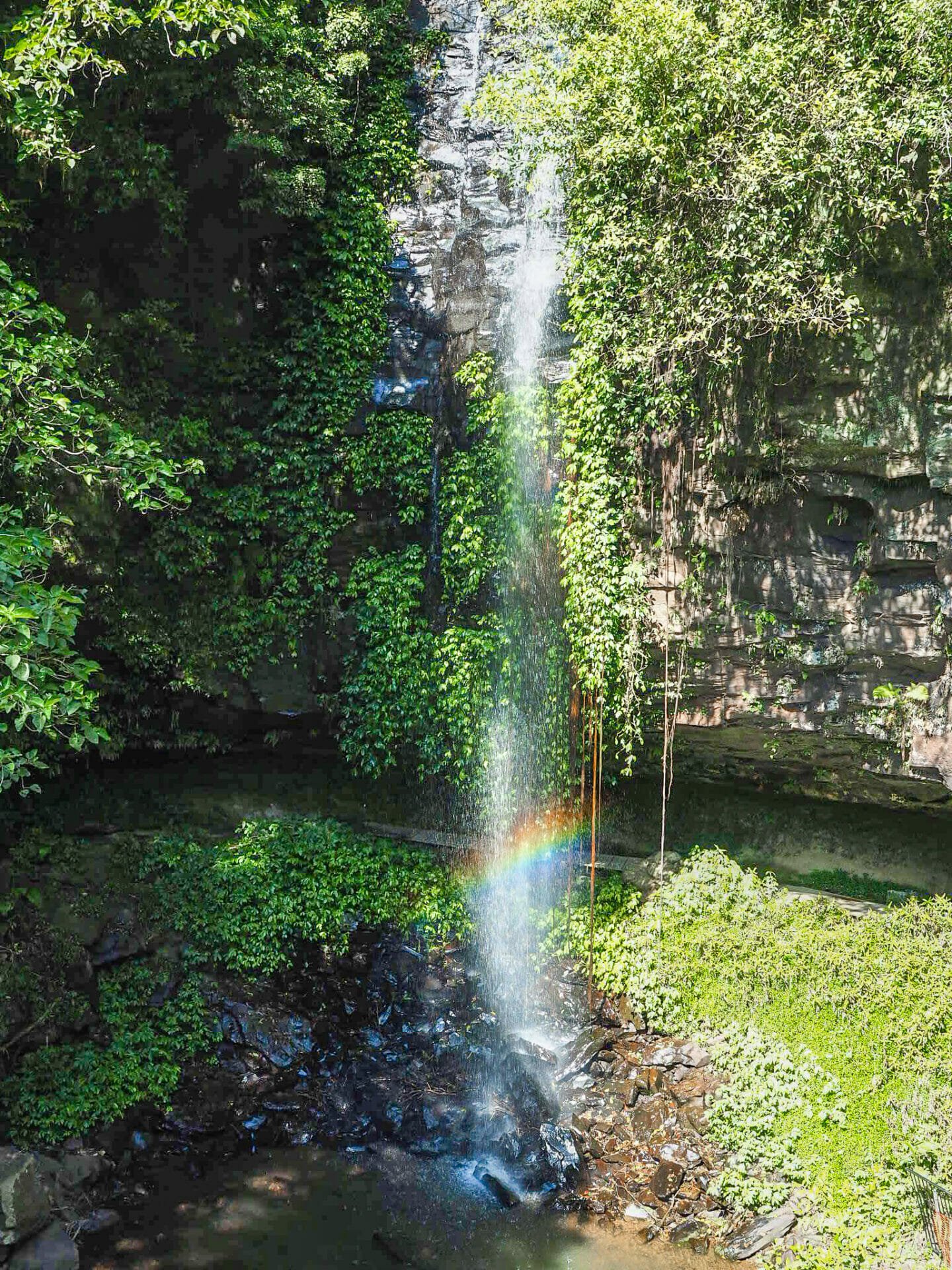
Rainbow at Crystal Shower Falls

Crystal Shower Falls

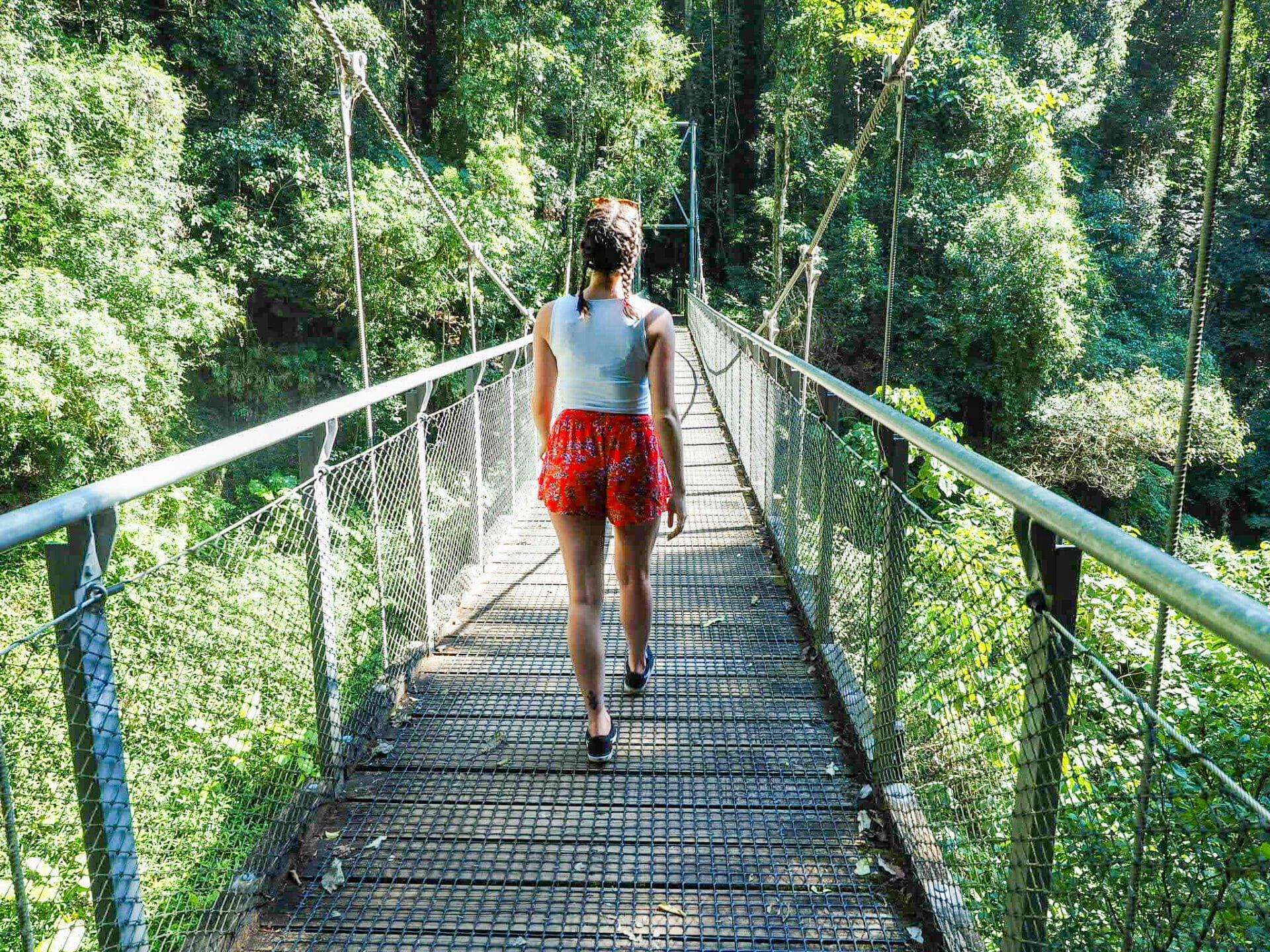
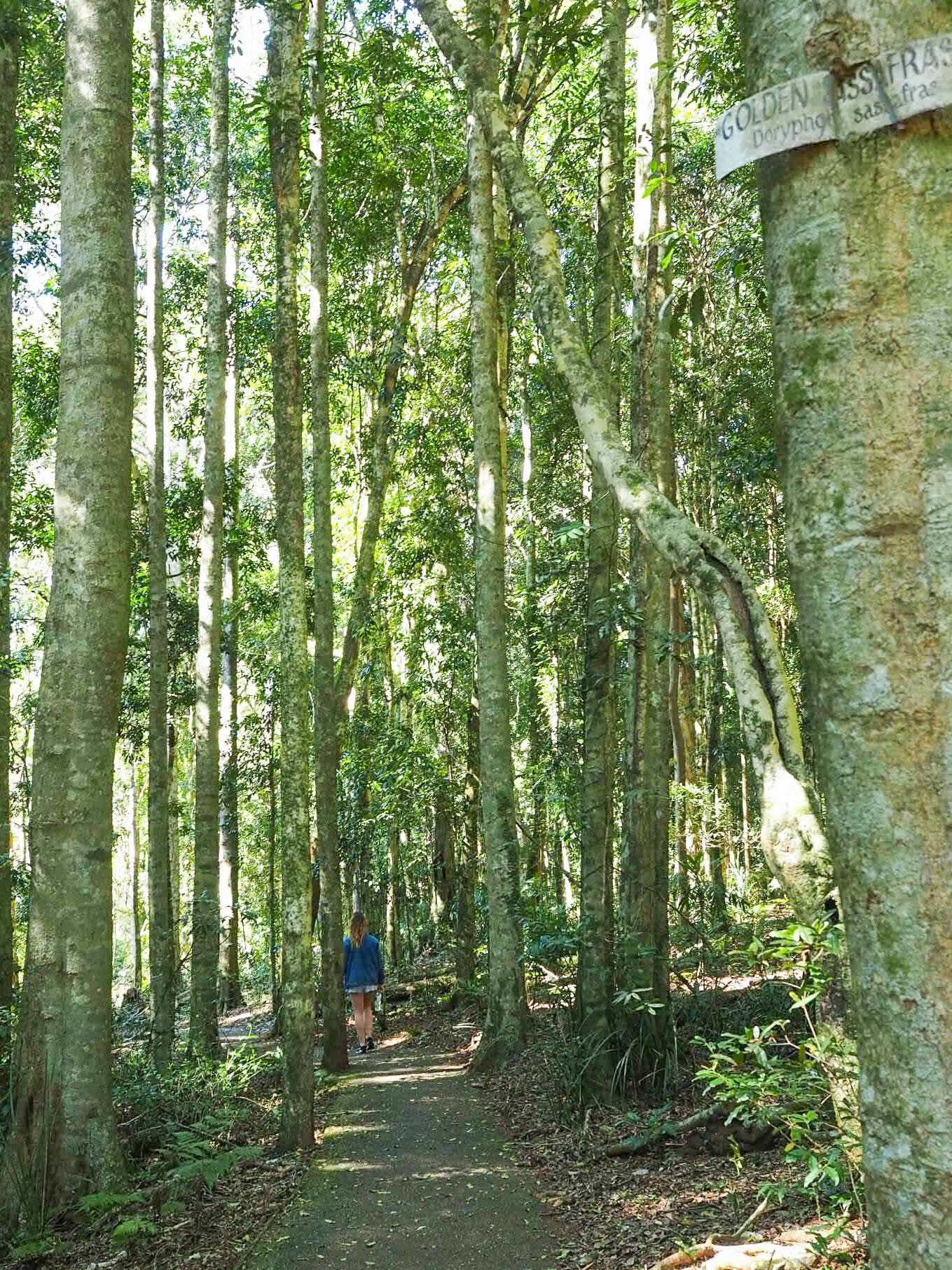
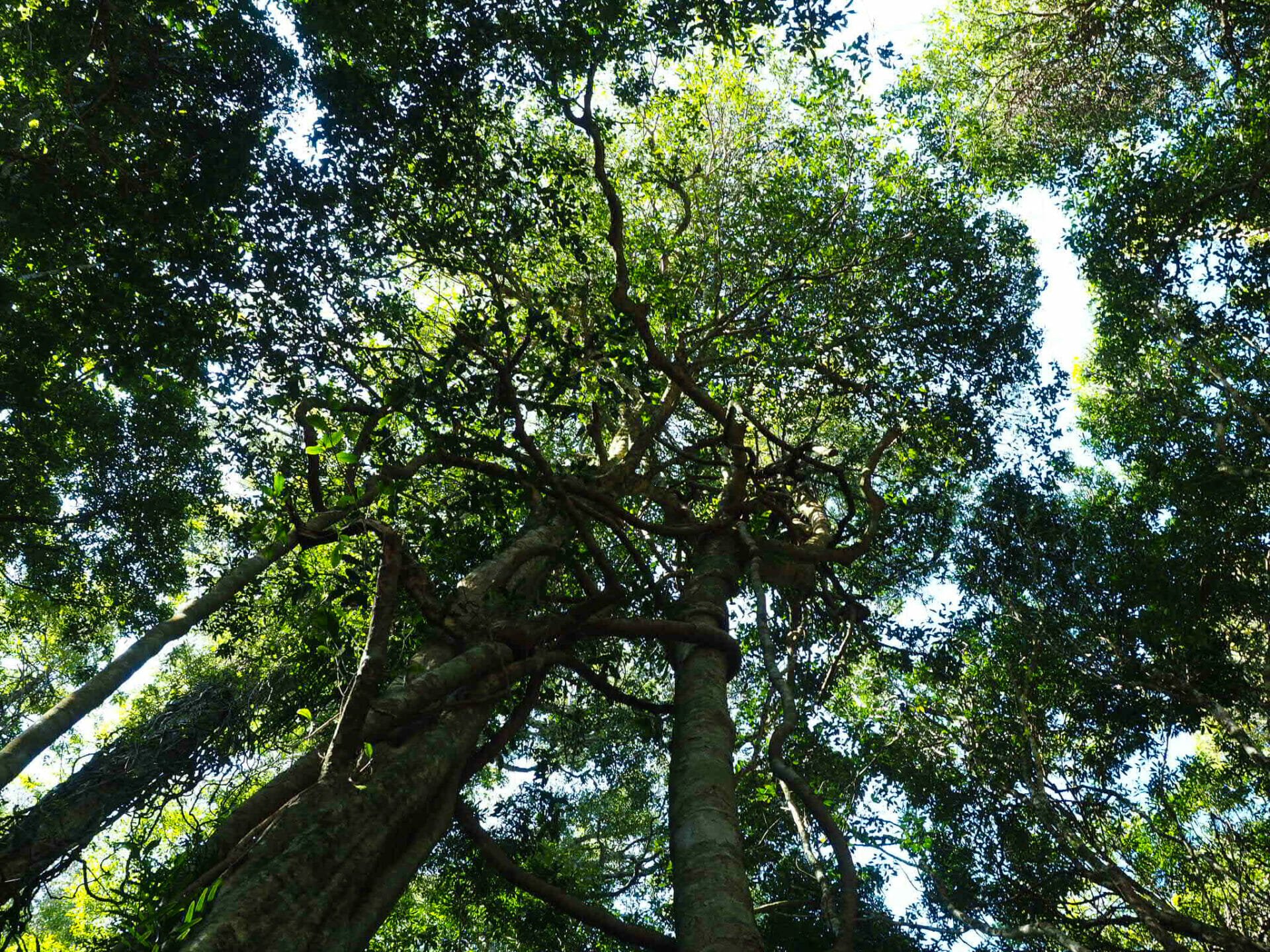
We only have to drive 2min down the road to reach The Glade picnic area where our rainforest walk begins along the Satinbird Stroll, a gently declining section of trail that enjoys almost full shade from the towering trees. I spend the majority of this section tailing a goana as it weaves through the bushes, trying (in vain) to get a nice photo of the enormous lizard. Soon, our path joins up with the longer Wonga Walk and we continue along this trail for another 15min to reach Crystal Shower Falls. There’s distinctly less water falling than we saw at Dangar Falls, but the early morning light has created a rainbow along the bottom of the waterfall that makes for an absolutely magical scene. After taking several dozen photos from the suspension bridge, we start back upwards to the car, finishing our 3.7km hike just under the self-imposed 1hr deadline.

Crystal Shower Falls on Waterfall Way
Enjoying the Wonga Walk through the Dorrigo Rainforest
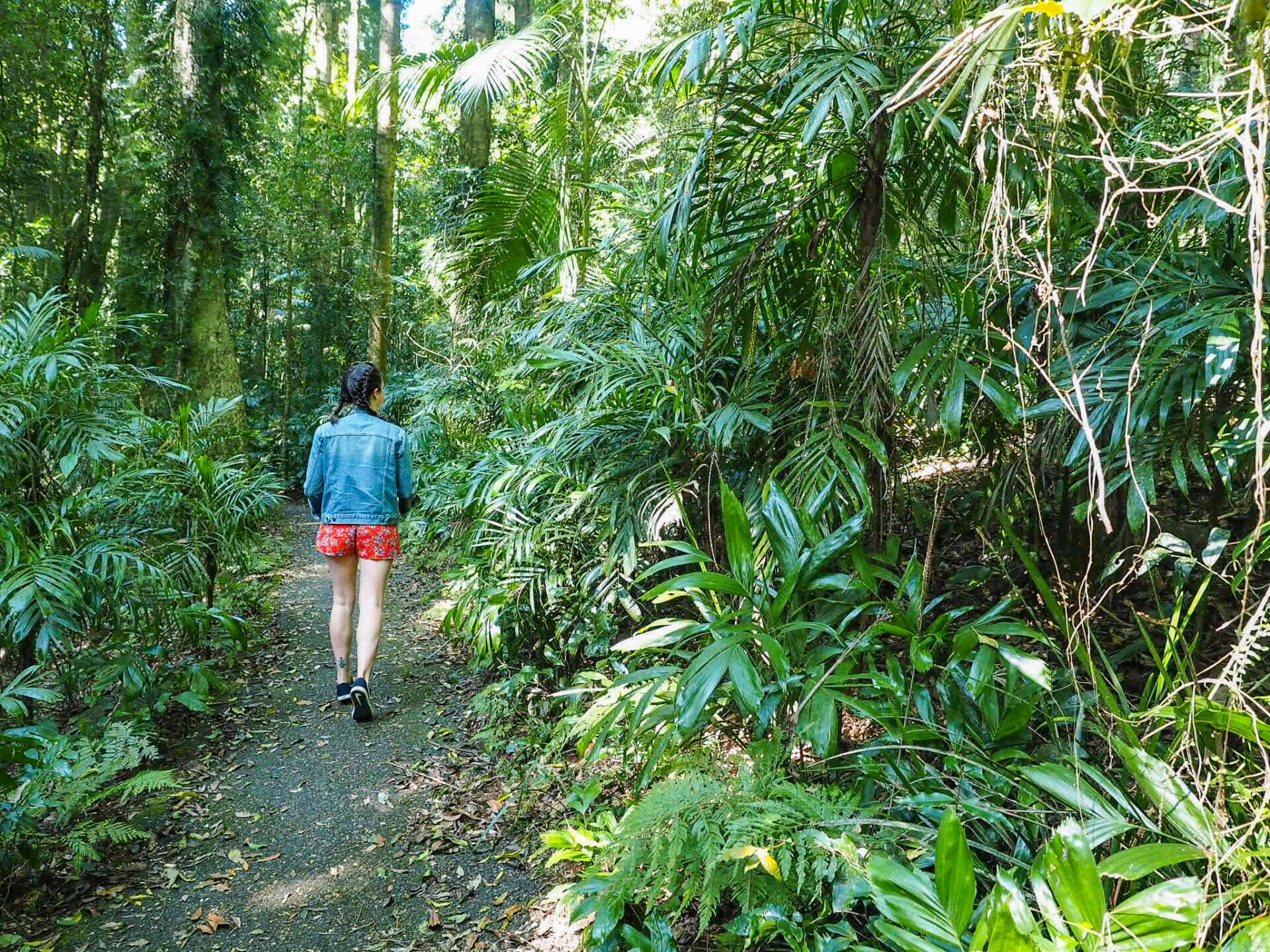
Surrounded by giants in Dorrigo Rainforest
Amazing suspension bridge in front of Crystal Shower Falls
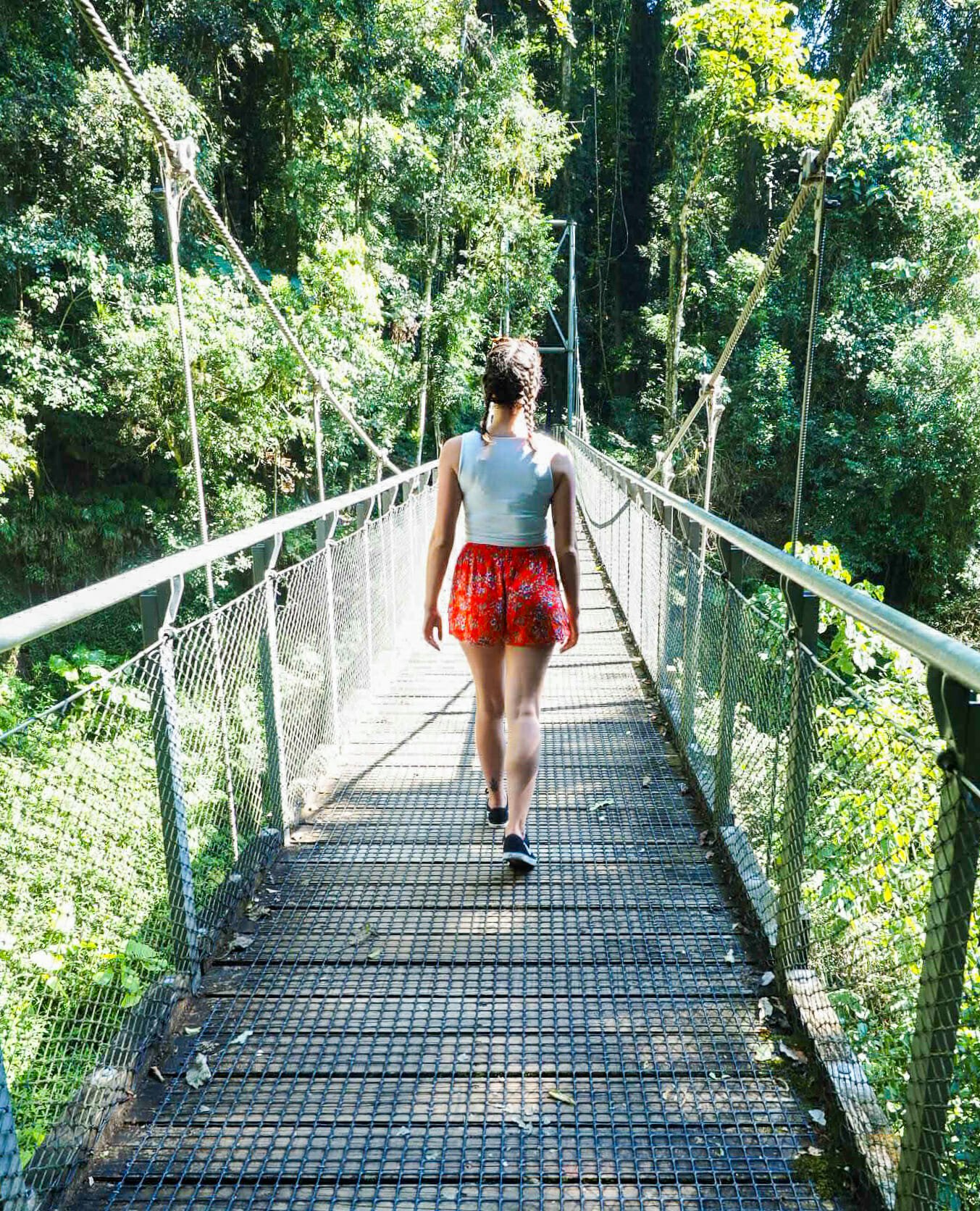
Diana strolling through the trees

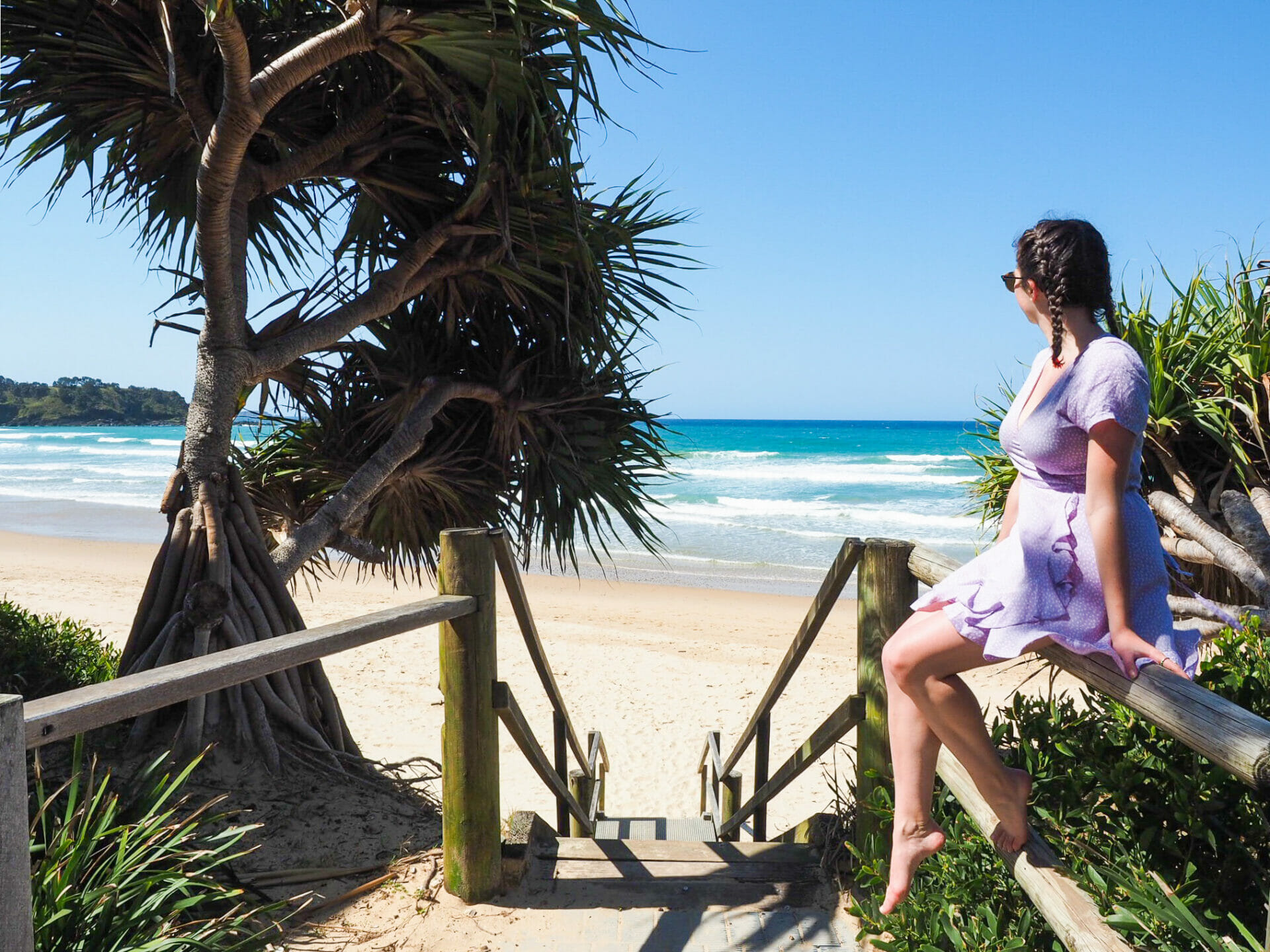
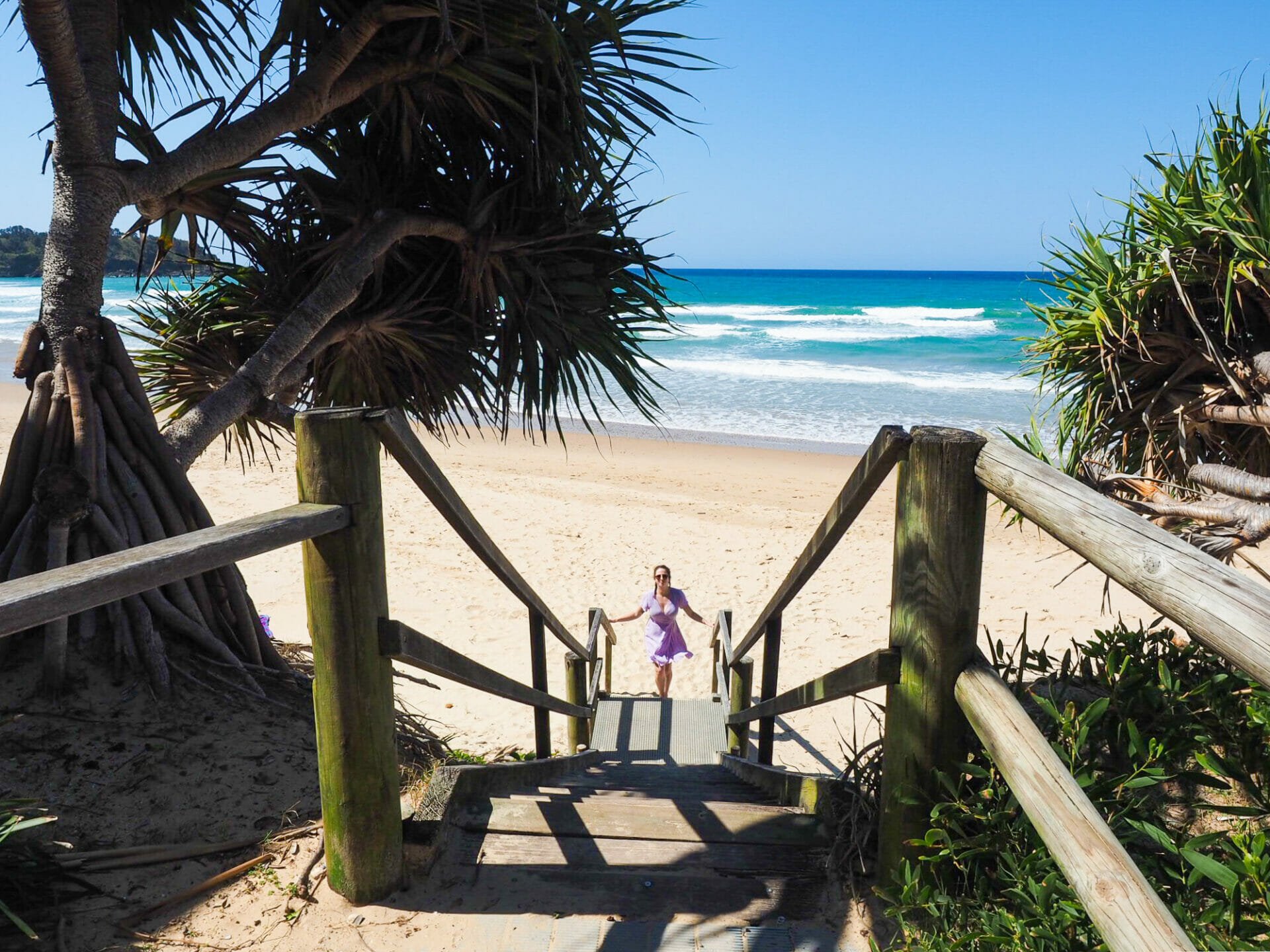
Picnic at Digger’s Beach

Coffs Harbour

On the road again, it’s only an hour to reach one of the most famous (and random) stops along the Legendary Pacific Coast drive, the Big Banana in Coffs Harbour. Who knows why, but this giant banana just off the highway has become synonymous with a NSW road trip; yet, as many times as I’ve been through here, I’ve never taken a photo with the enormous yellow fruit! The fact that Diana travelled to Coffs Harbour with her boyfriend about 6 months ago and didn’t even know about the Big Banana makes a stop even more essential.

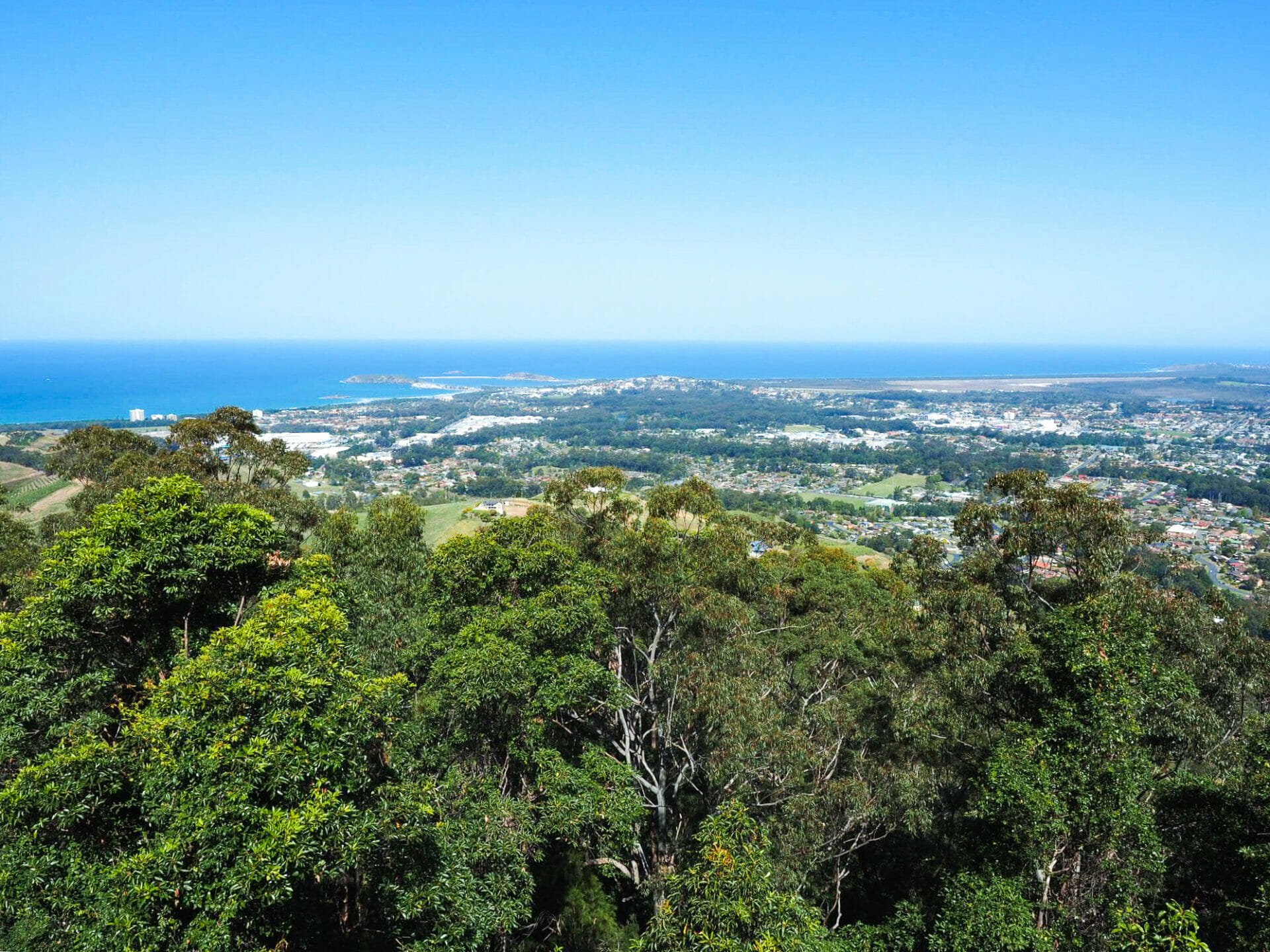
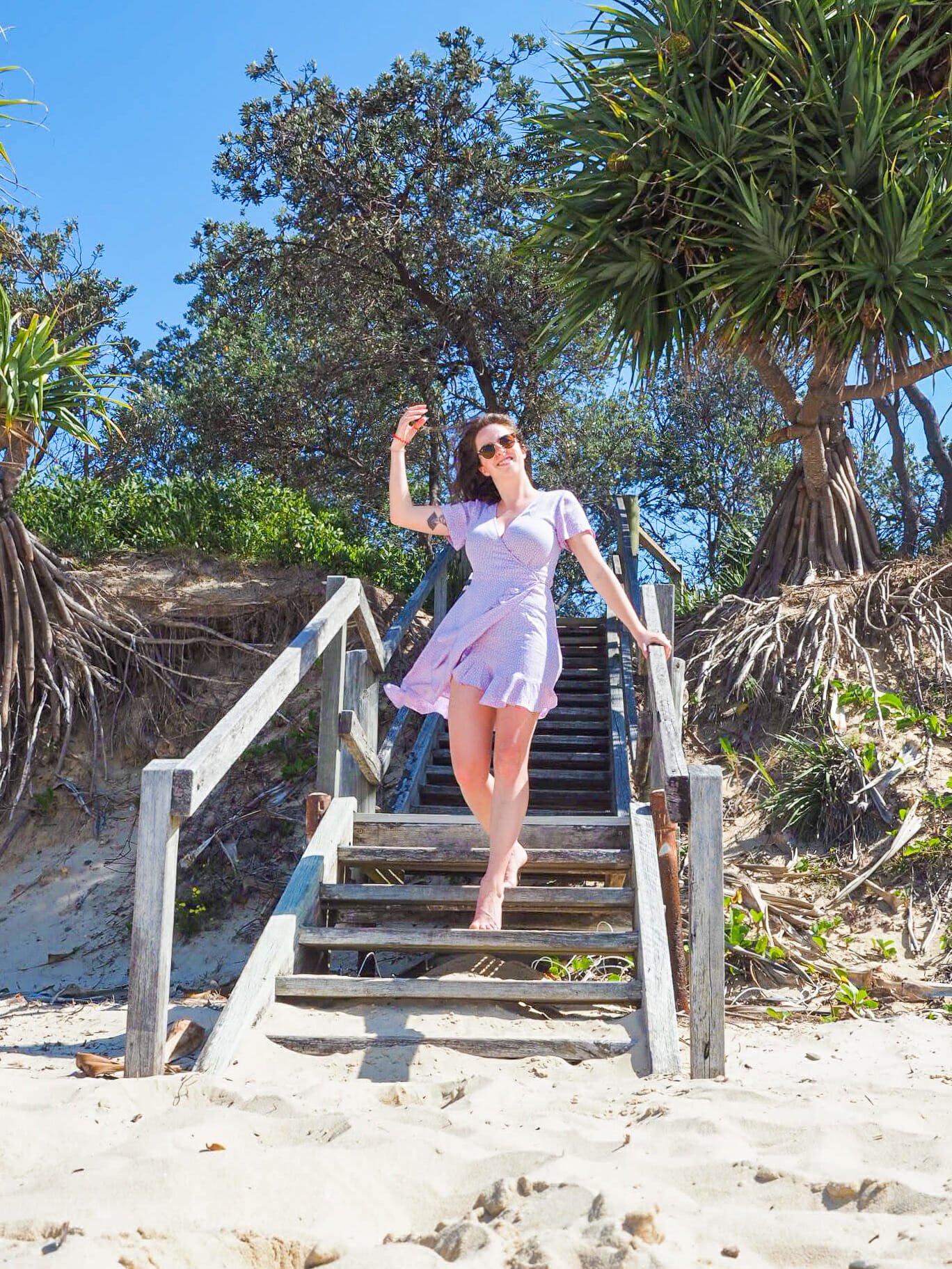
After taking our obligatory banana photo, we cruise into the Guzman Y Gomez drive-thru (what can be better than a drive-thru burrito bowl?!) and onwards to Digger’s Beach, where we set up a big beach towel and enjoy our lunch surrounded by incredible palms and crashing waves. Full from my burrito (and the small bit of sand that may have blown into my sour cream), we head back to the car and drive up through the hills, passing banana plantations to reach the Forest Sky Pier. Like the Sky Walk we visited earlier this morning, a boardwalk extends over the hill and offers stunning views of the landscape below, but unlike the Sky Walk, we are treated to sweeping coastal views over Coffs Harbour and the ocean.

The obligatory Big Banana photo
The Coffs coast from the Forest Sky Pier
A sunny afternoon at the beach in Coffs Harbour
The impressive Forest Sky Pier extending out towards the coastline
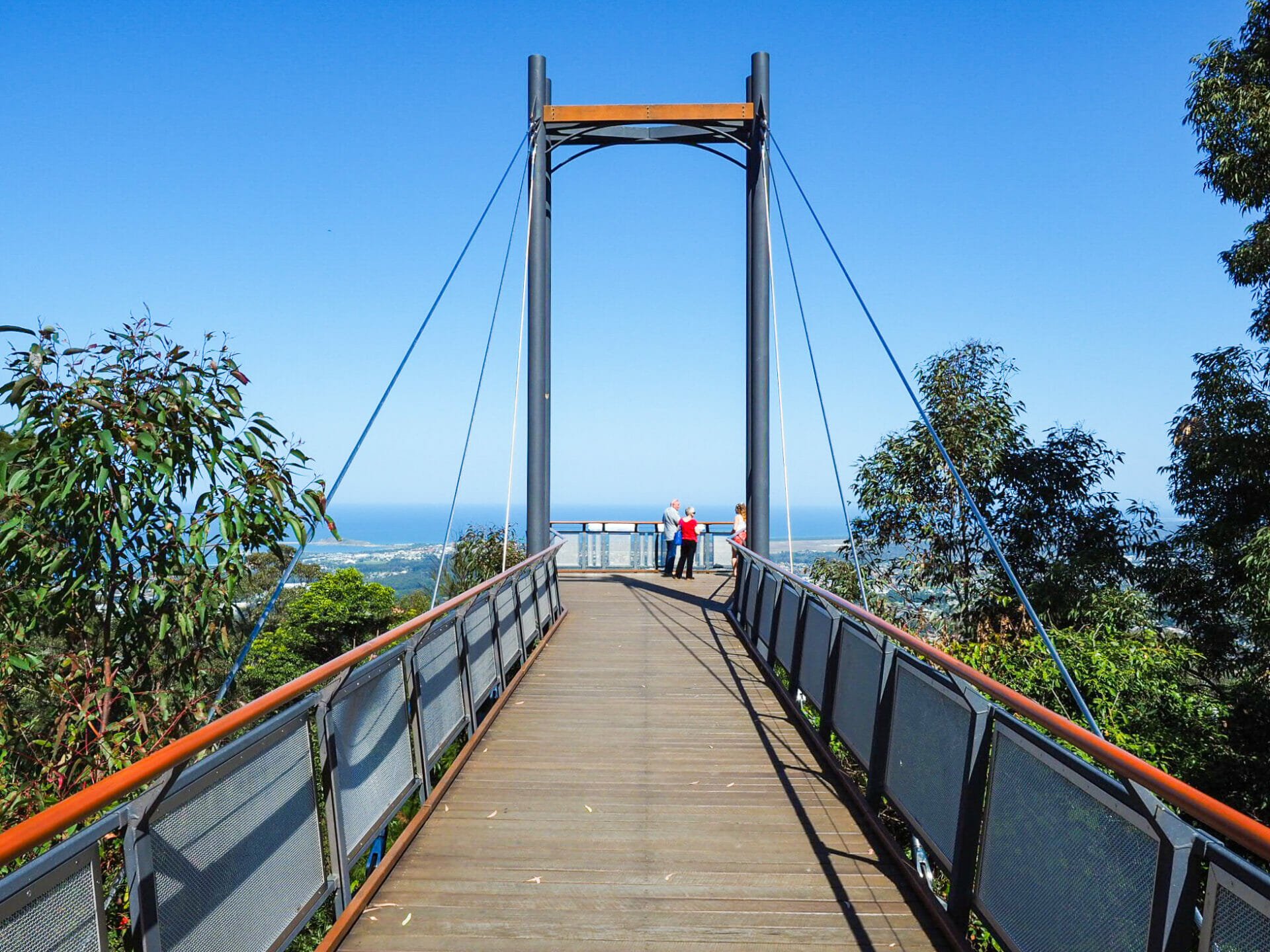
Digger’s Beach

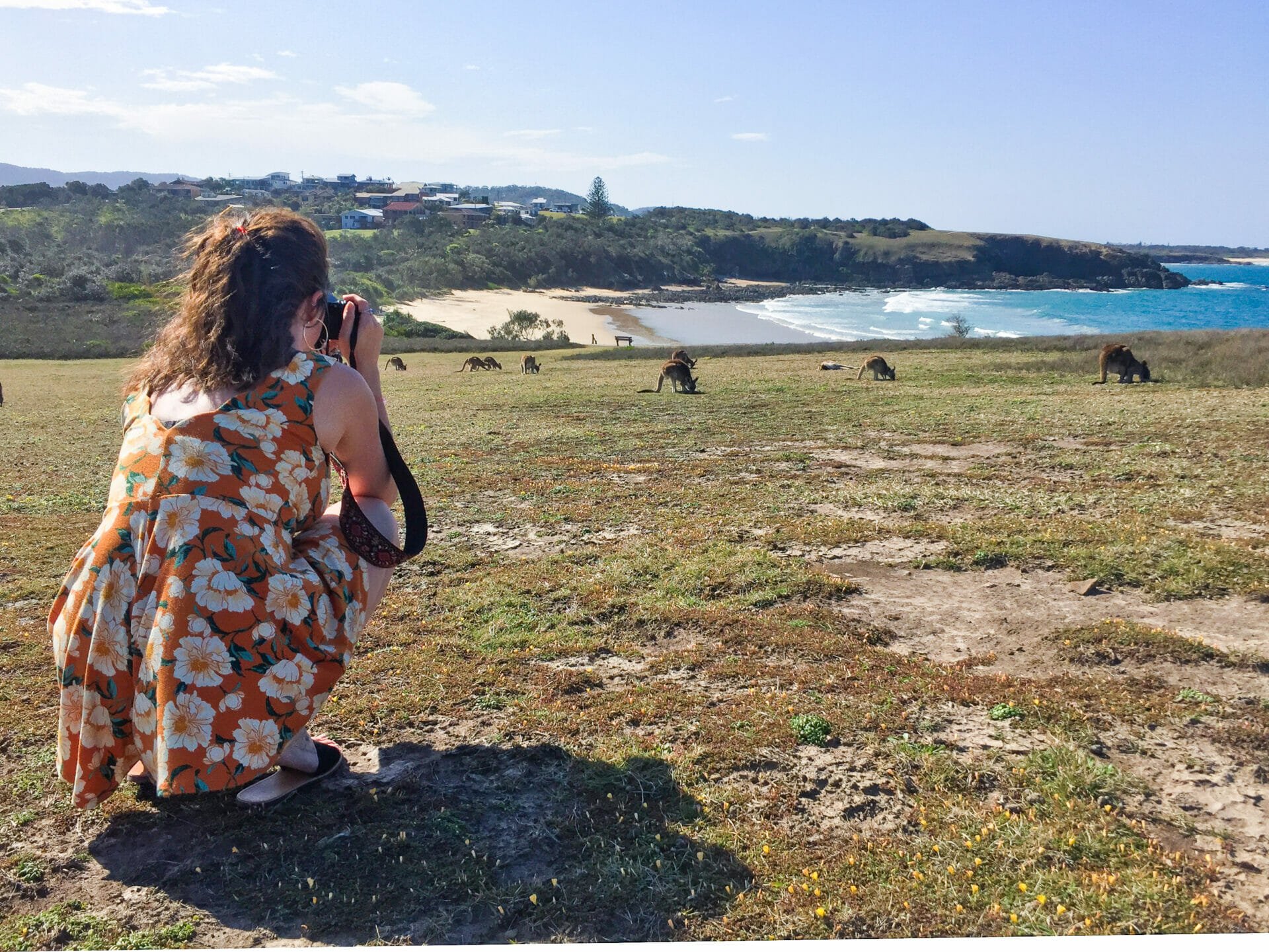
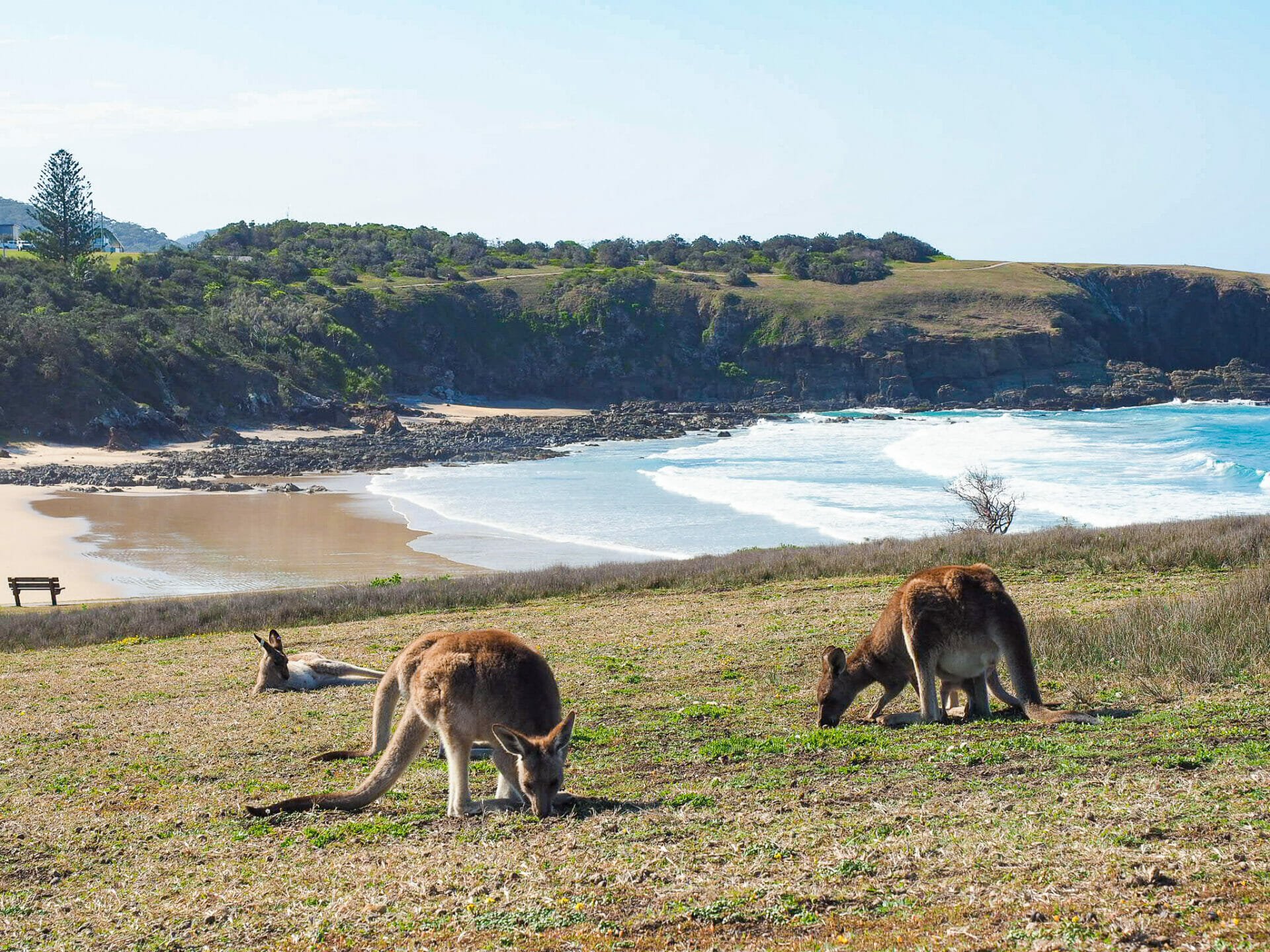
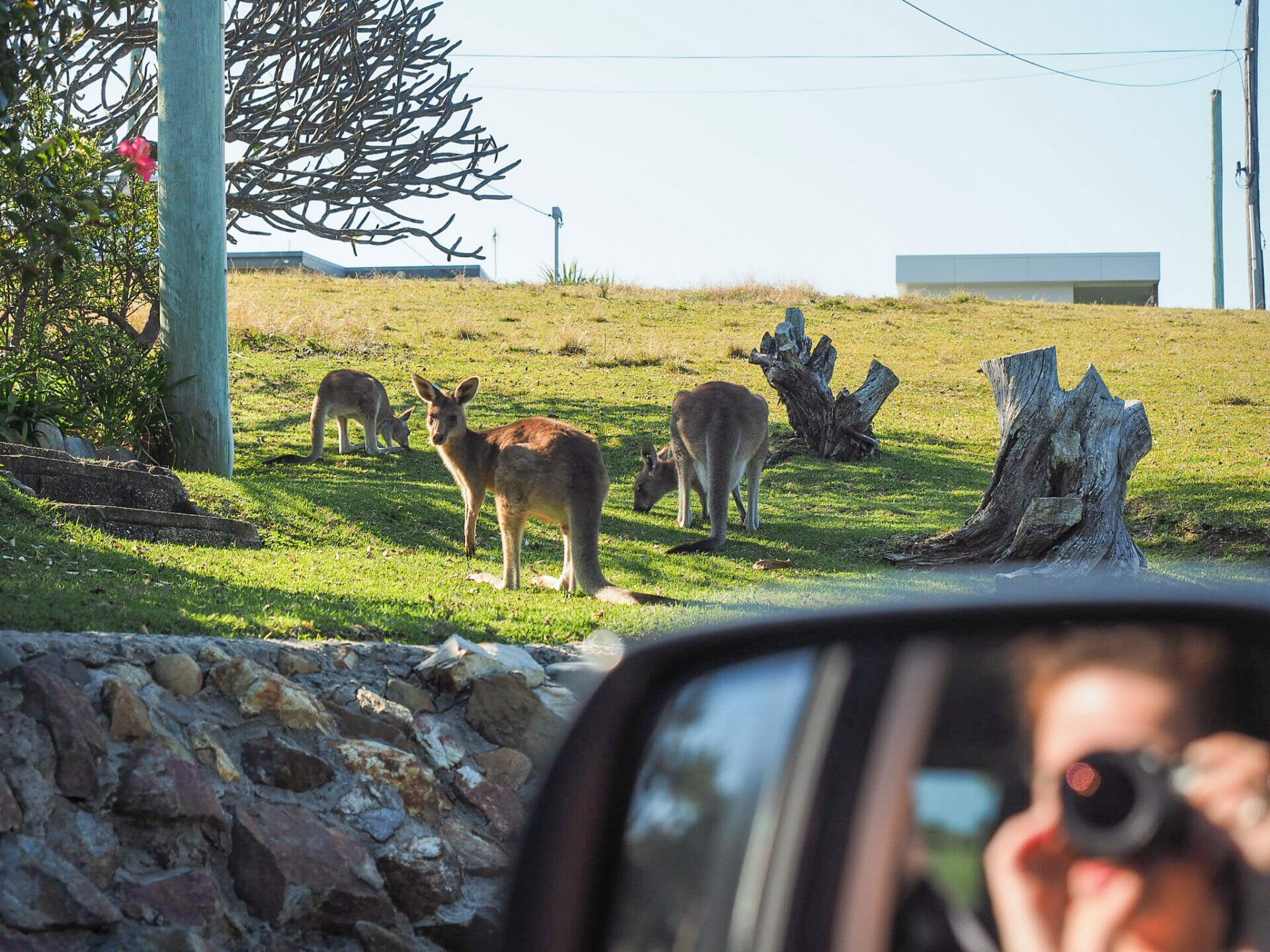
Eastern grey kangaroos grazing on the headland
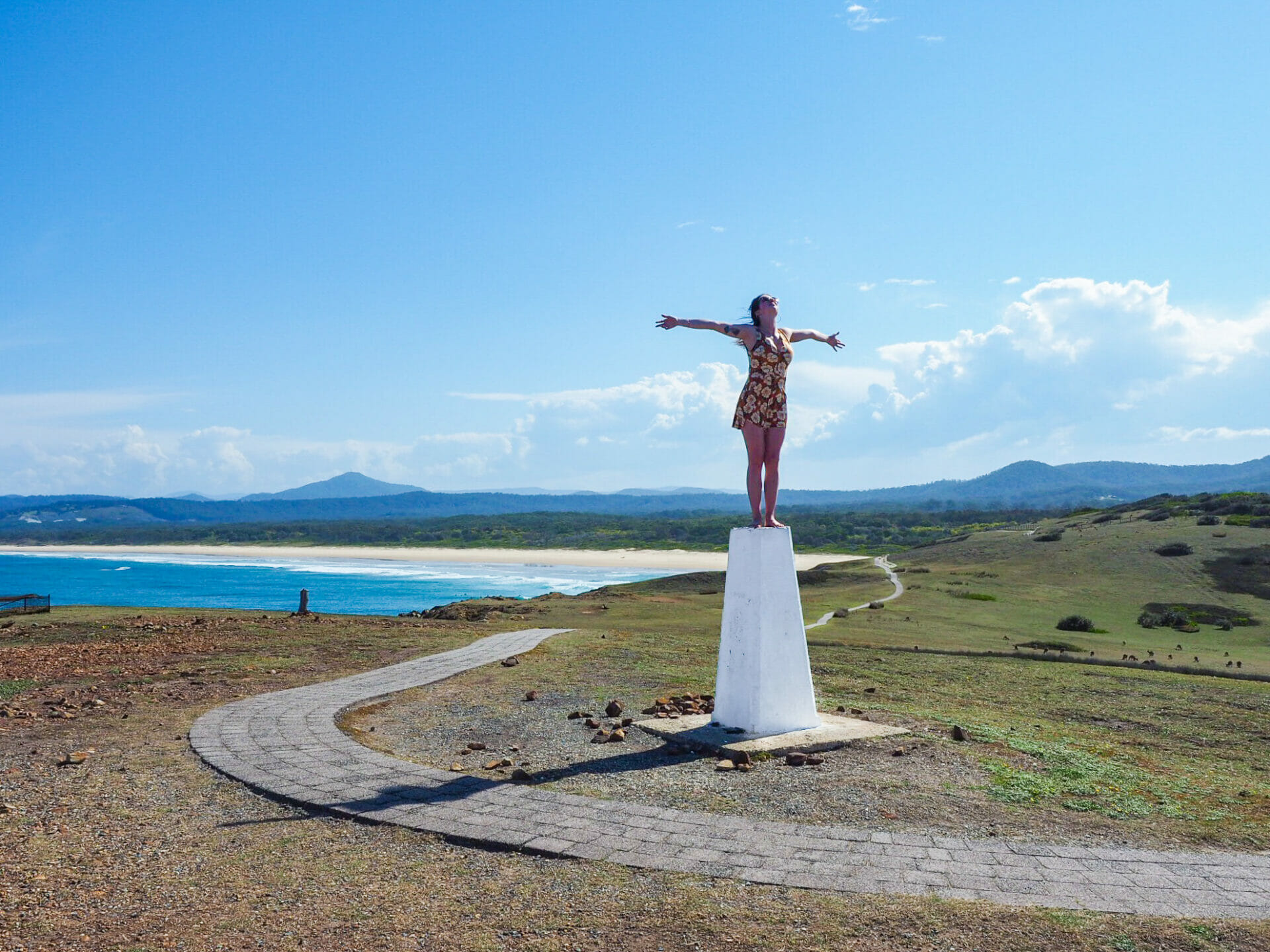
The very aptly named Look At Me Now Headland

Look At Me Now Headland

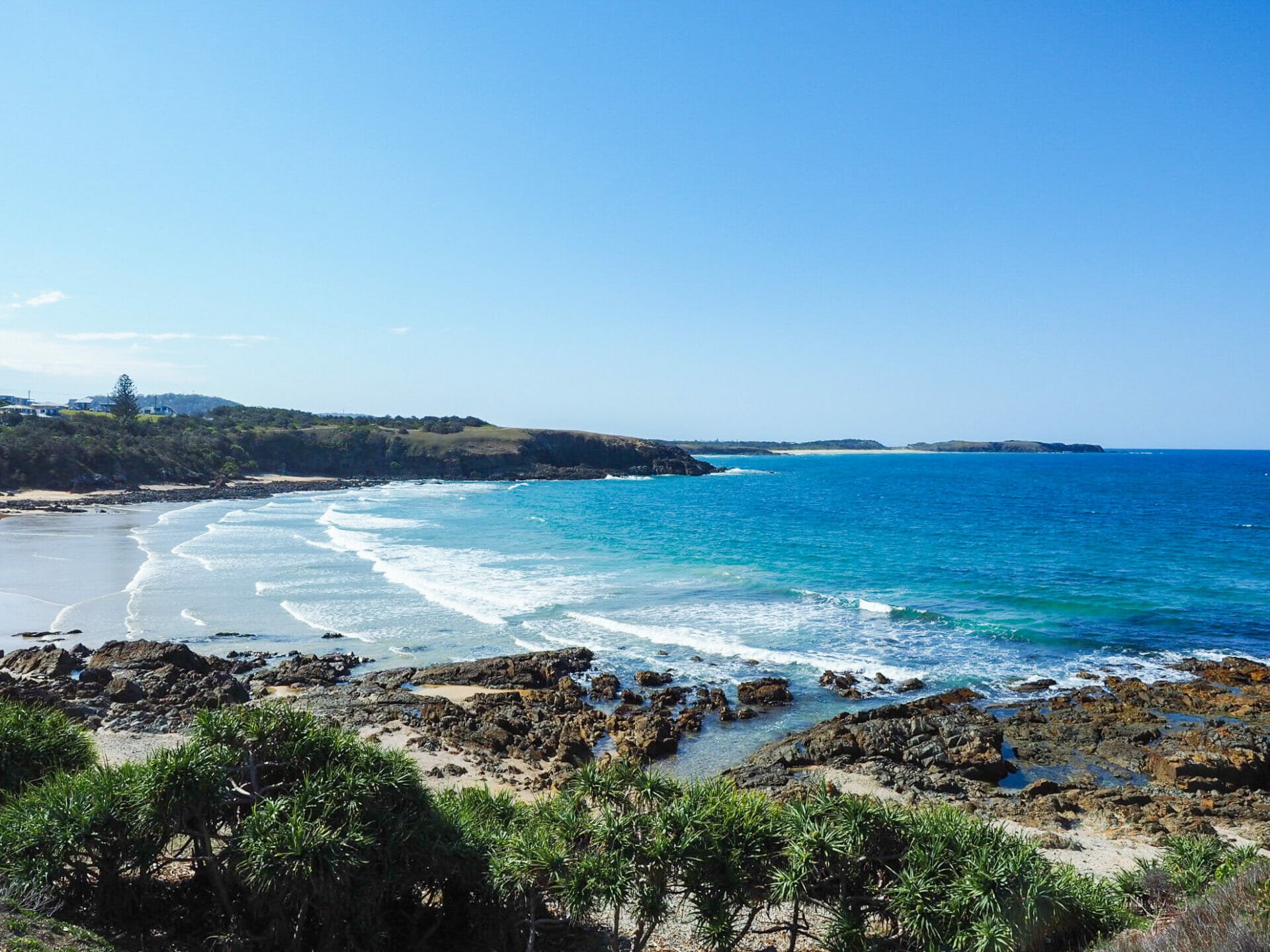
Just 20min north of Coffs Harbour, our final stop of the day is Look At Me Now Headland, a superbly named hill that I read about as a great place to see dozens of wild kangaroos just hanging out around the beach (and I think we can all agree that’s pretty adorable). I’ve been trying to moderate my excitement all day, reminding both myself and Diana that there is no guarantee when it comes to wild animals and that even if we don’t get to see any roos, at least it’s still likely to be a nice beach.

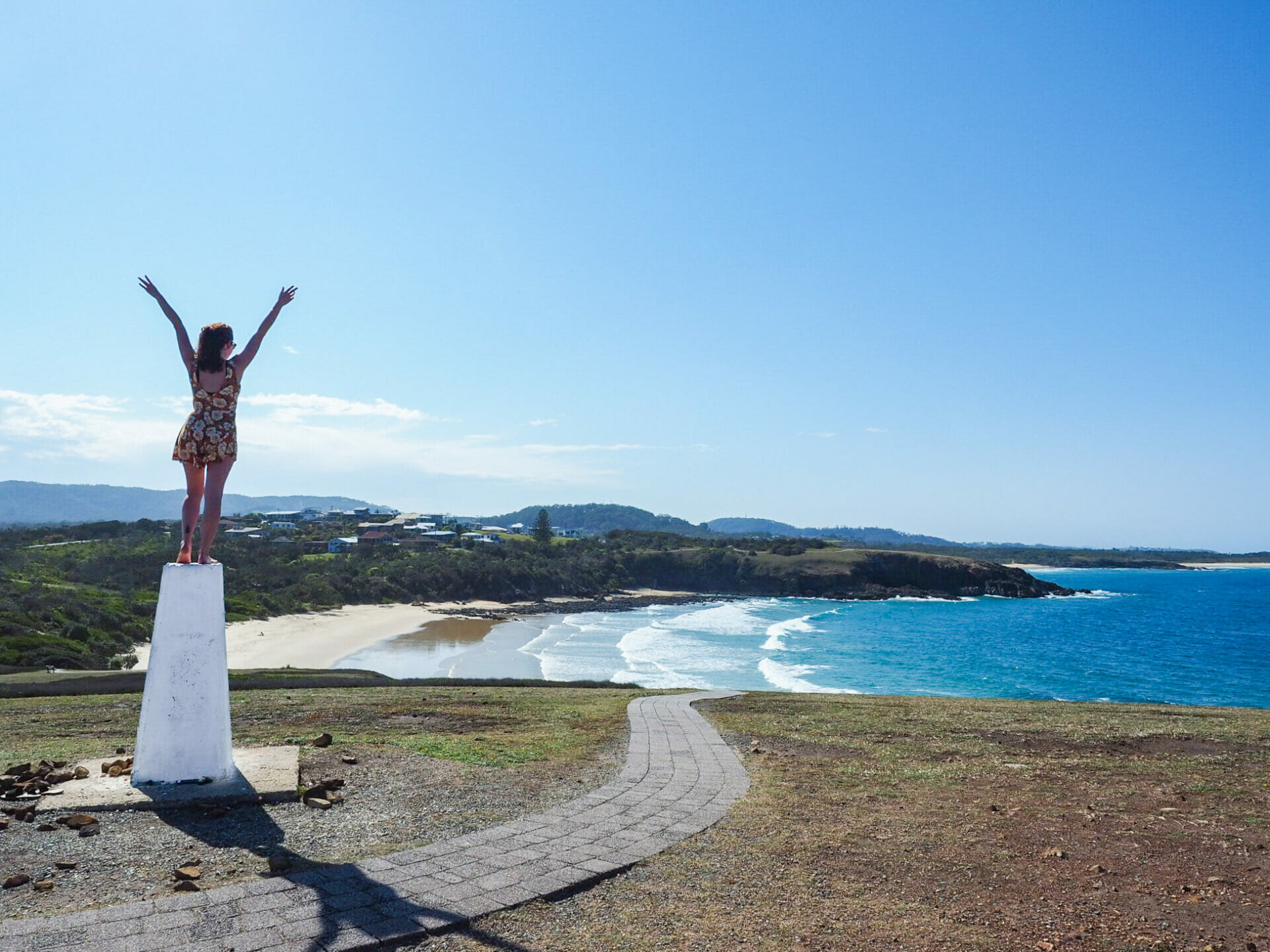
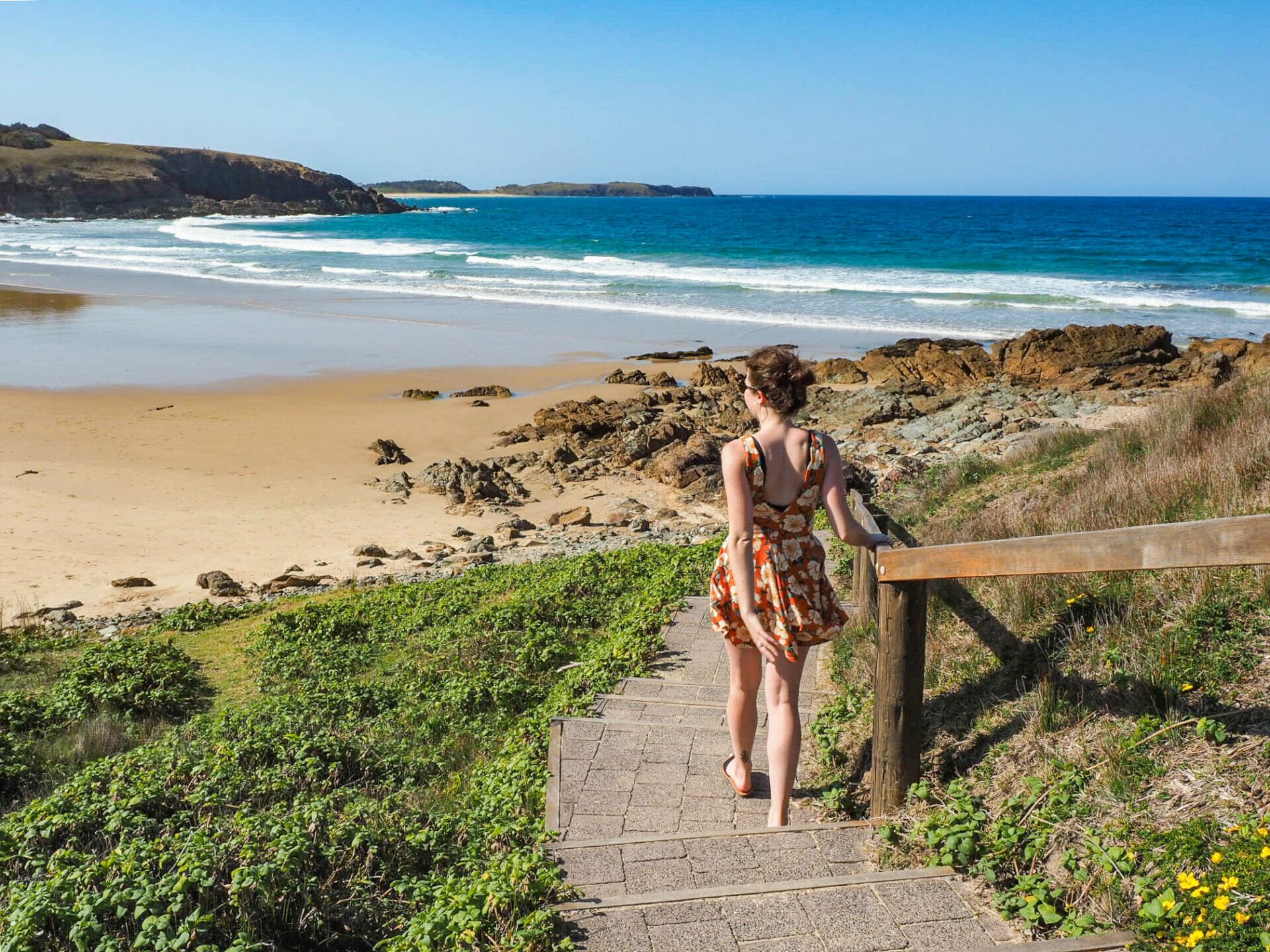
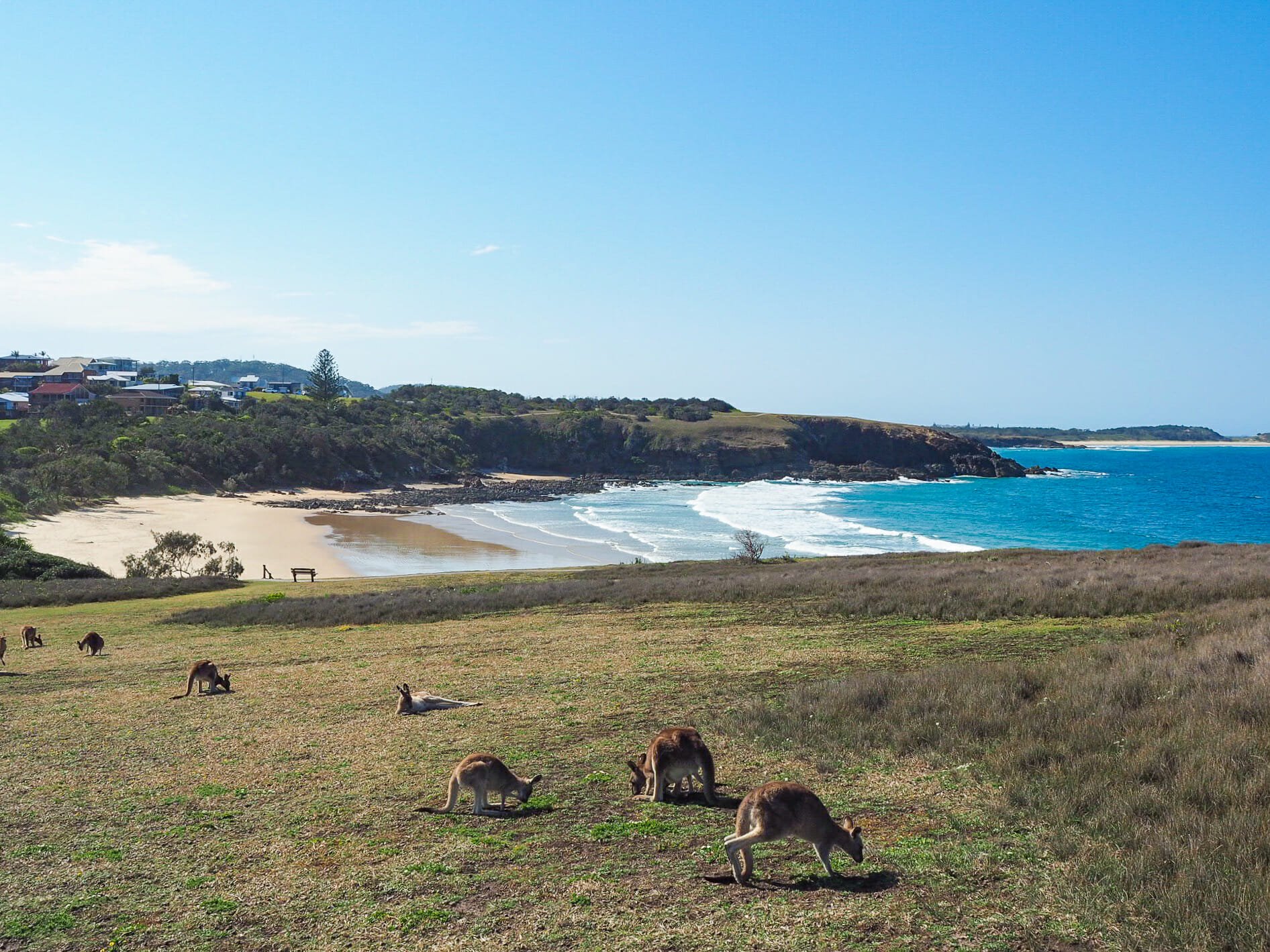
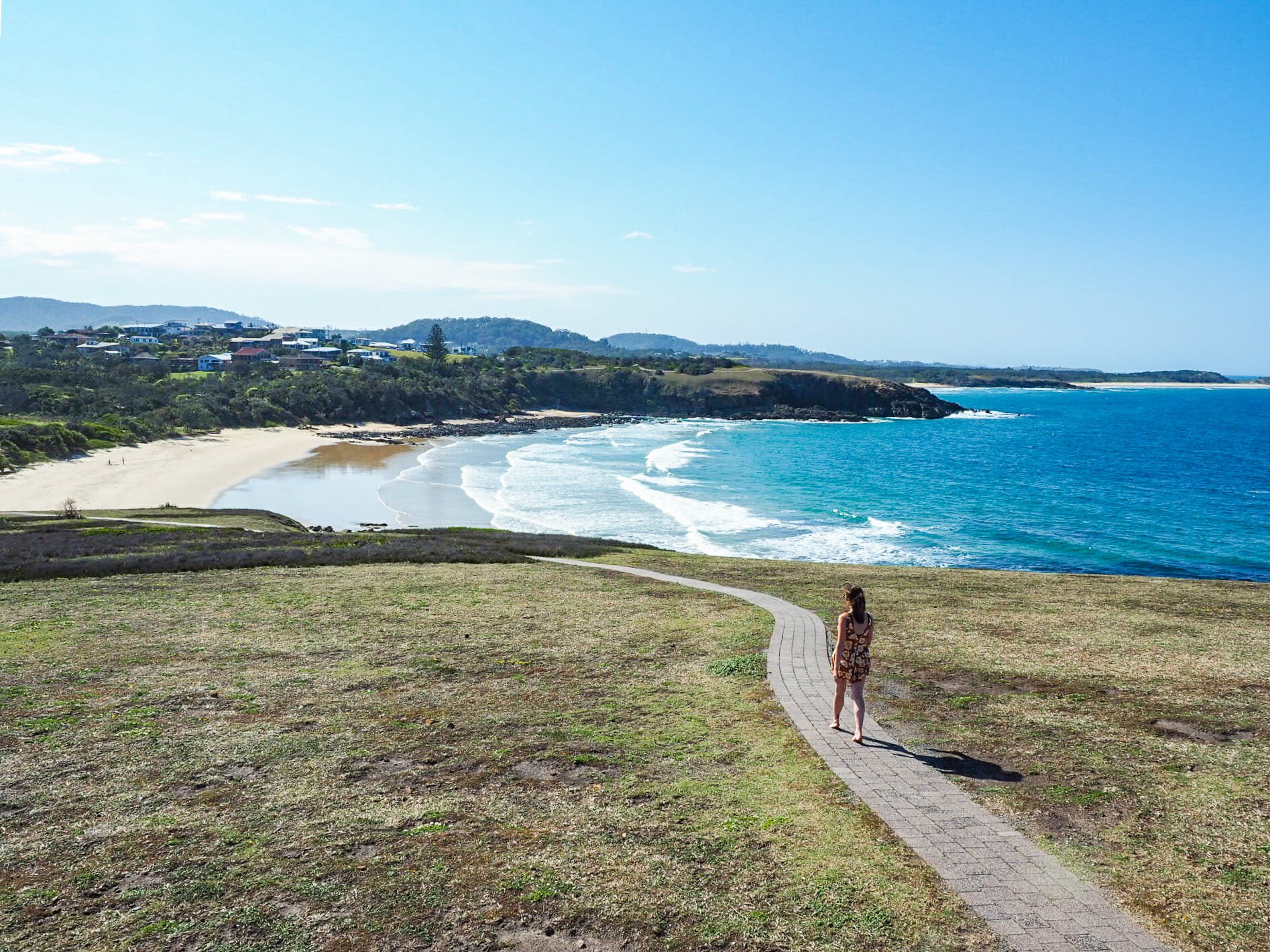
In reality, we see about 40 small grey dots milling about on the hillside before we’ve even parked the car and then about a dozen roos nibbling on grass or lounging along the path as we half walk/half run across Emerald Beach towards the headland, giggling somewhat hysterically. It’s not long before we’ve crossed the sand, climbed the steps, and made our way along the path to the lookout, where we can see superb beach views around either side of the headland. Somewhat overwhelmed by having incredible scenery AND kangaroos in a single location (I’m used to seeing roos in grassy fields or on the side of the road, certainly not at beautiful beaches), we snap quite a few photos of the view, struggling to both sit atop the white pillar for the perfect #BiomechanistsOnTour photo, before continuing our walk.

It took us quite a long time to get up here for this photo!
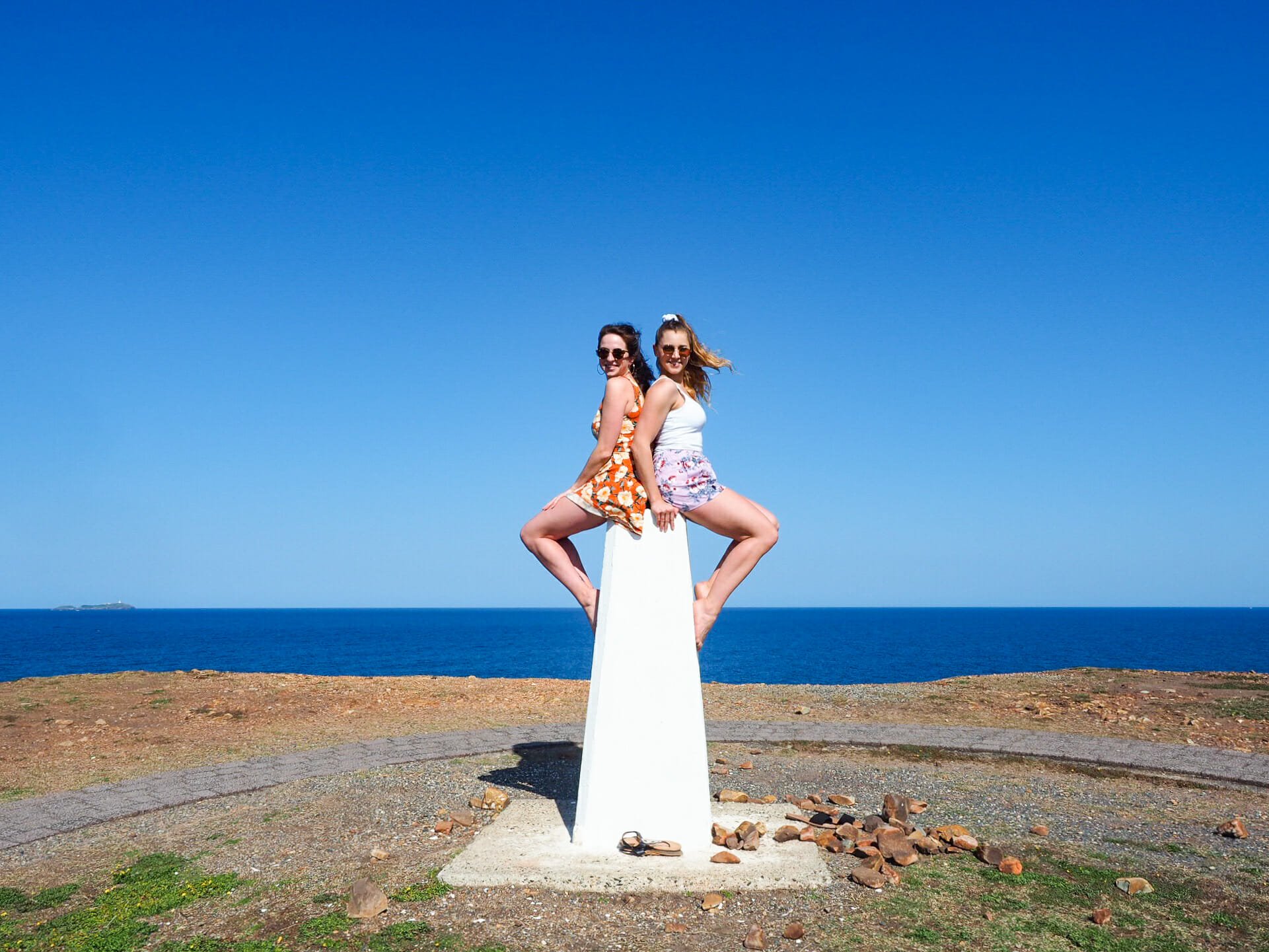
Me and Diana at Look At Me Now Headland
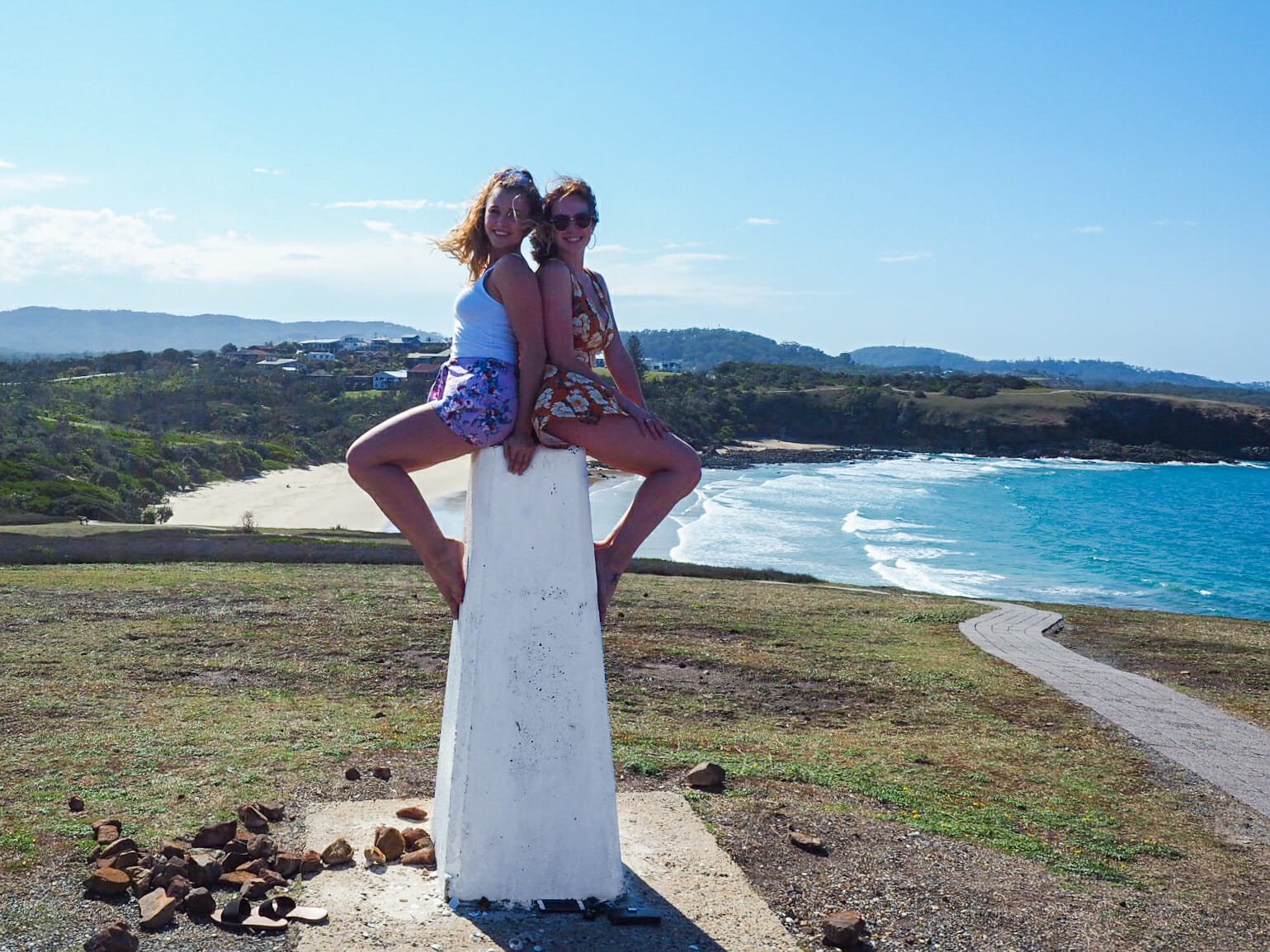
Diana enjoying the view over Emerald Beach
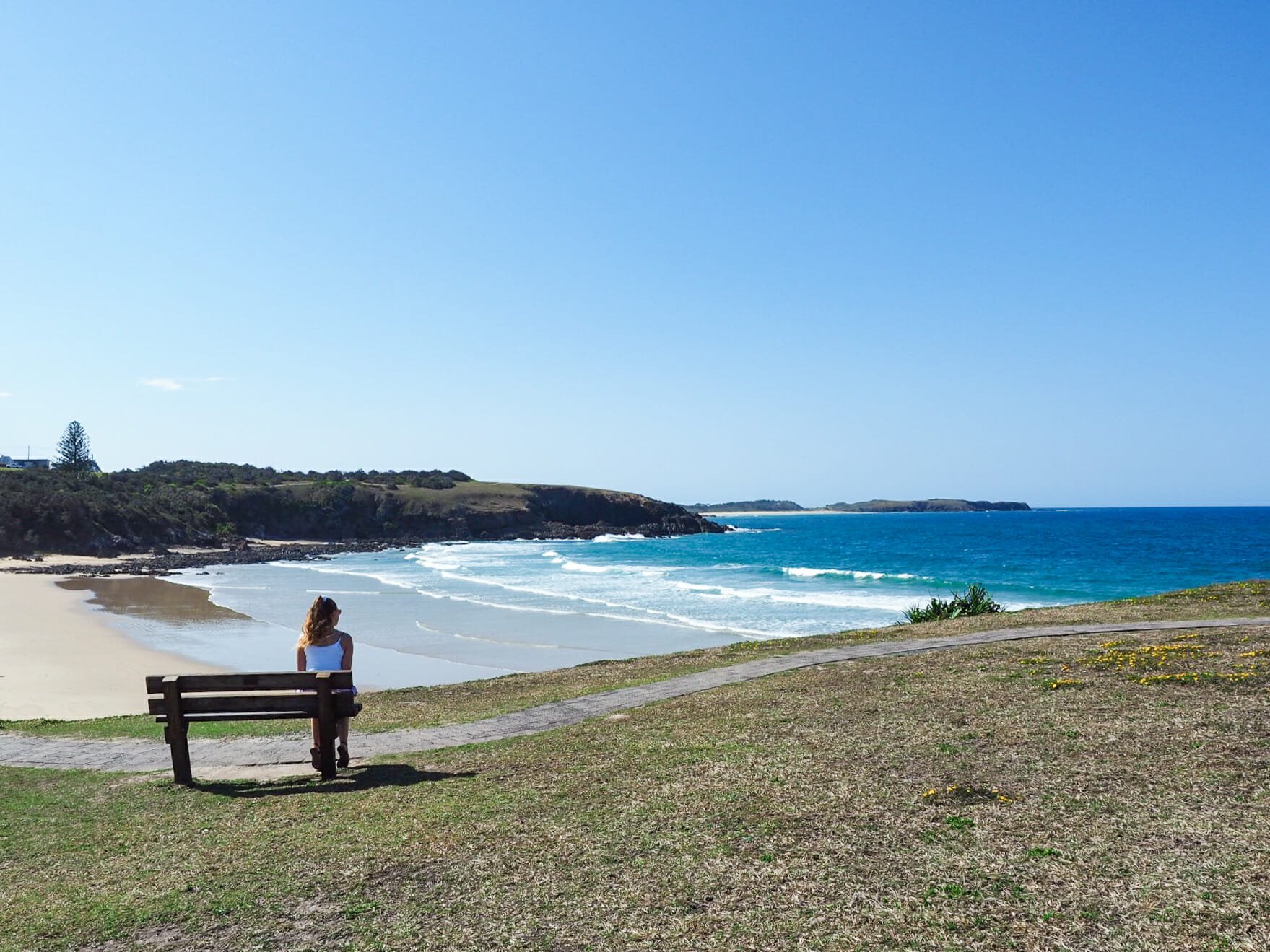
Look At Me Now Headland
Amazing Emerald Beach from above

Out of respect for the kangaroos (and also self-preservation, because I’m not looking to get punched in the face or kicked in the gut), I maintain a reasonable distance as we cross over the headland and begin to approach for photos. According to a very informative sign near the start of the trail, it’s intimidating to the kangaroos (and can provoke an aggressive response) if you look too tall, make direct eye contact, or move too quickly, so naturally I am crawling across the paddock like a gremlin and averting my eyes from the kangaroos while I try to get close enough to take a few nice photos. Not a great moment to have left my longer lens in the car, but at least Diana gets a fair bit of amusement out of watching me tip toe backwards through the grass.

The kangaroos are certainly wary of our presence, freezing if I look at them for too long or even taking a couple hops towards me, but they mostly just go about nibbling their grass or lounging in the sun. We even get to see a little joey hop out of his mum’s pouch for a stretch and then try (rather unsuccessfully) to get back inside.

People always ask me if I’m “over” kangaroos now that I’ve been living in Australia for 6 years, if they’ve become so common for me that they are no longer exciting, but absolutely not. I don’t think I’ll ever lose my manic excitement for kangaroos, probably because I’ve never lost my excitement for any animal, even the ones I grew up seeing regularly (e.g. still squeals over domestic house cats). At least I really hope I never “get over” my sense of wonder for mother nature or wild animals; I want to carry this send of amazement with me forever, continuing to find beauty even in the things that become everyday and bubbling over when I find something extraordinary.

Walking down to Emerald Beach
Kangaroos at Emerald Beach
Eastern grey kangaroos

Mum and joey kangaroos at Look At Me Now Headland
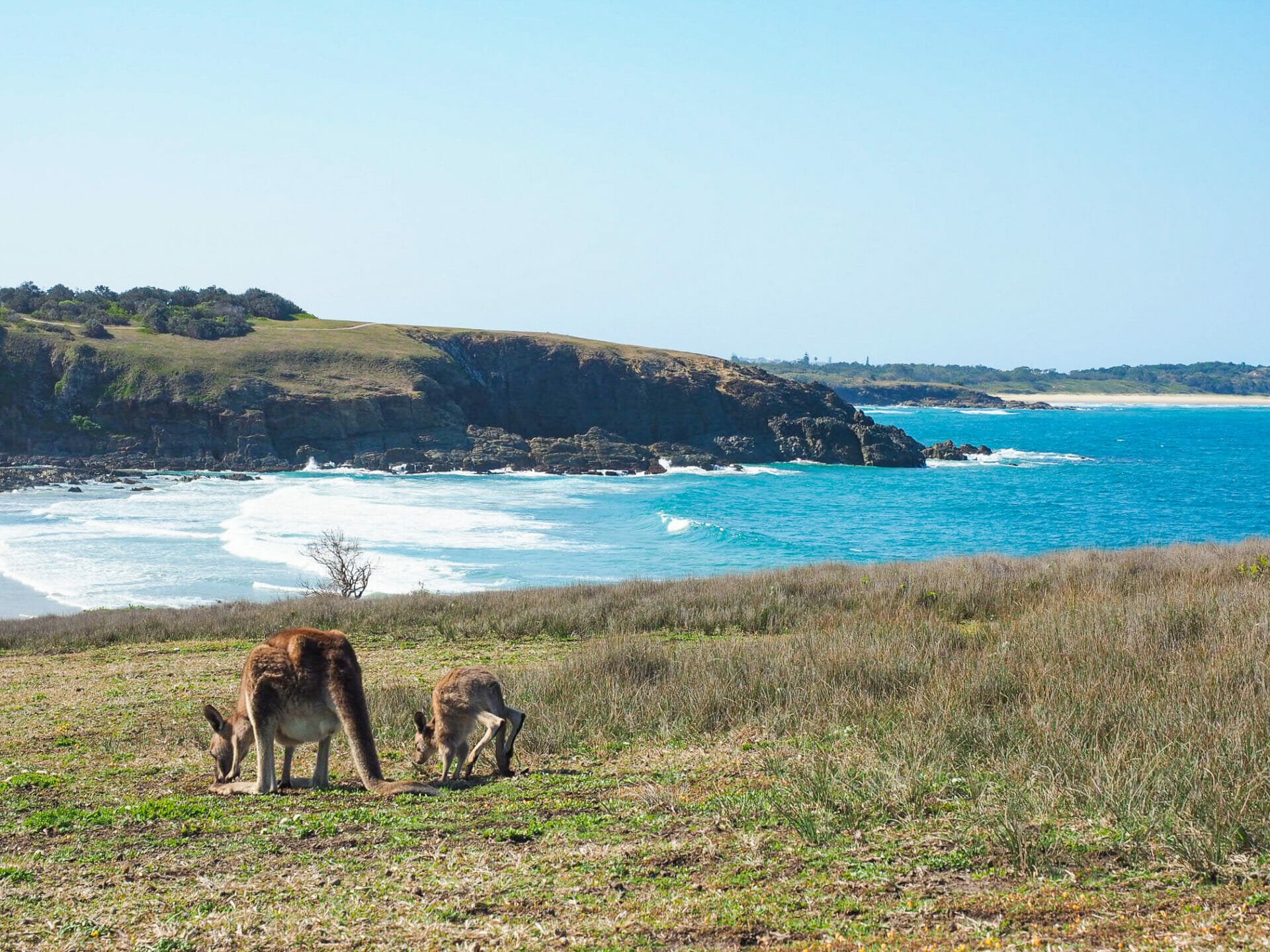
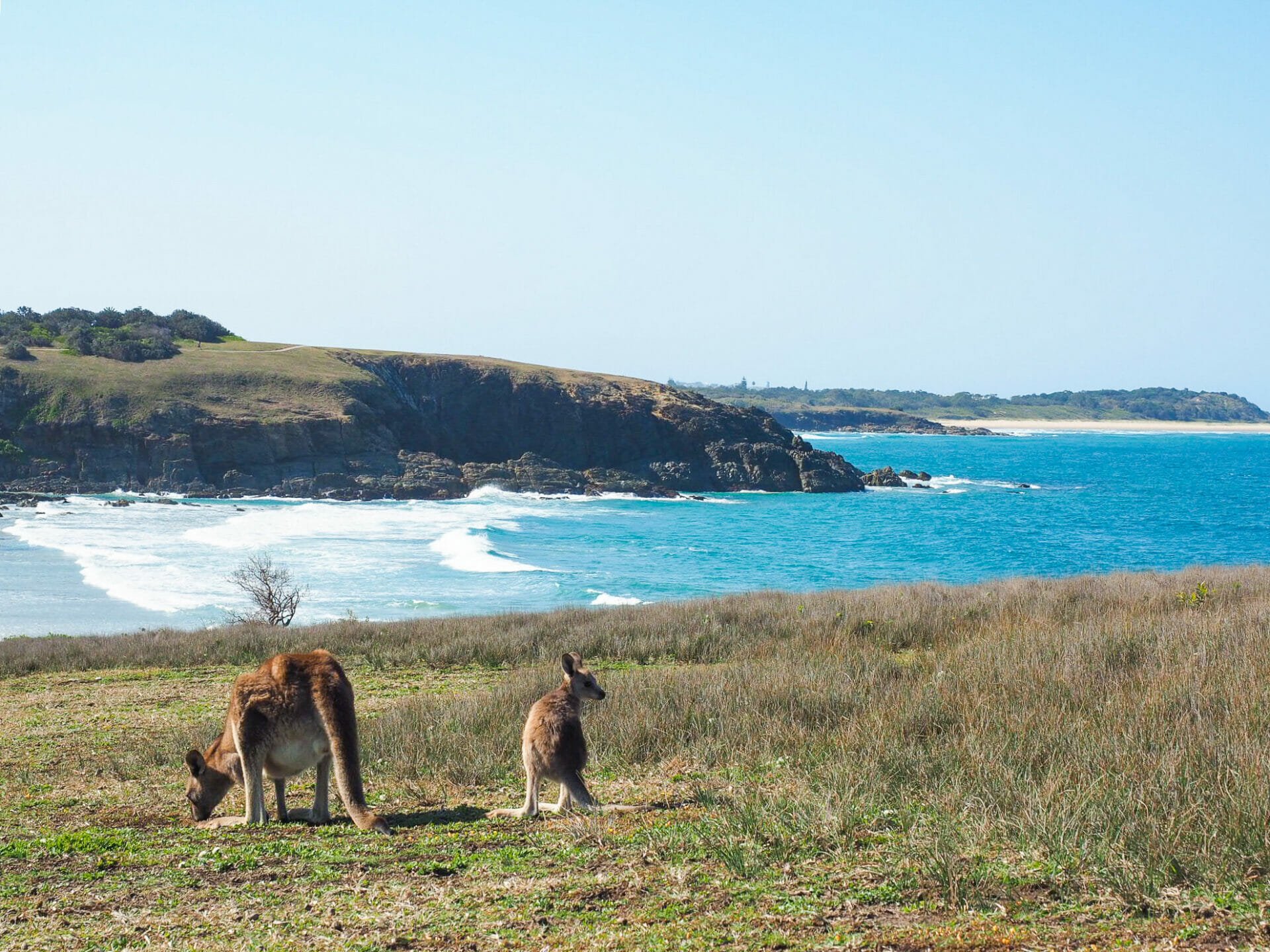
Beautiful Coffs coast

Driving away from Emerald Beach

Even as we walk back along Emerald Beach, retracing our steps from Look At Me Now Headland to the car, I’m overwhelmed with what we’ve just seen. From wild dolphins frolicking in the river this morning and goanas creeping through the rainforest and up trees, to the countless incredible beaches, viewpoints, waterfalls, and sun-baking kangaroos, today has been yet another one for the books. Our entire 3.5hr drive to Runaway Bay is spent discussing all the amazing places we’ve been and incredible things we’ve seen, both of us just as excited as the other for what’s been and what’s yet to come on our trip.

Read more about our Legendary Pacific Coast road trip:

DRIVING THE LEGENDARY PACIFIC COAST (DAYS 1 & 2): NEWCASTLE, PORT STEPHENS & PORT MACQUARIE

DRIVING THE LEGENDARY PACIFIC COAST (DAY 4): NORTH STRADBROKE ISLAND

DRIVING THE LEGENDARY PACIFIC COAST (DAY 5): BURLEIGH HILL, FINGAL HEAD & BYRON BAY

DRIVING THE LEGENDARY PACIFIC COAST (DAY 6): PORT MACQUARIE & FORSTER

TAGS:road trips
0 Comments
Share
brooke beyond

Hey, I'm Brooke and I'm obsessed with getting off the beaten path, exploring backcountry gems & travelling beyond the ordinary! I left Australia 6 years ago after finishing a PhD in Biomechanics & have been travelling the world full-time ever since (joined by my husband/climbing partner, James). Whether it’s road-tripping through Mexico, climbing alpine peaks in the Andes, scuba diving in the Red Sea, or tackling epic via ferrata in the Dolomites, I hope this blog will inspire your future adventures & help you find wonder in every corner of the globe. xx bb

Leave a Comment Cancel Comment

You May Also Like

15 January 2019

Hiking the Overland Track (day 1): Ronny Creek to Cradle Mountain

1 February 2020

Top 13 places to visit in New Zealand

19 December 2015

The world’s largest swing, Nevis Swing in Queenstown

hi, I’m brooke!

I'm obsessed with getting off the beaten path, exploring backcountry gems & travelling beyond the ordinary! I left Australia 6 years ago after finishing a PhD in Biomechanics & have been travelling the world full-time ever since (now joined by my husband/climbing partner, James). I hope this blog will inspire your future adventures & help you find wonder in every corner of the globe. xx bb

read my story
currently exploring

currently exploring

finland

read our gear guides

🥾 hiking boots

🎒 hiking backpacks

🌨️ cold-weather layers

⛺️ backpacking & alpine tents

🛌 sleeping bag & pads

🍪 backcountry food

📸 travel camera gear

trail guides

summit guides

itineraries

outdoor gear

GPS maps

recent posts

  • 2-week Norway winter itinerary: Arctic Circle to southern fjords

    20 February 2026
  • Tjeldbergtind winter hike

    Complete Lofoten winter packing list: what to wear for hiking in Arctic Norway

    8 February 2026
  • Ryten winter hike

    Best winter hikes in Lofoten: your guide to safe winter hiking in Arctic Norway

    30 January 2026
  • Laguna Humantay, Cusco Peru

    6 awesome day trips from Cusco, Peru

    24 November 2025
  • Adventure-ready picks from the REI Co-op Holiday Sale

    17 November 2025

@brookebeyond_
brooke ✨travel & mountain gal

@brookebeyond_

  • A few snapshots from one of our most unique adventures: a 4-day dogsledding trip through Sámi country (Sápmi) in Northern Sweden ❄️

For thousands of years, dogsledding has been an essential form of Arctic transport for Indigenous communities, used to travel, hunt, and survive in some of the harshest conditions on earth. Huskies are bred specifically for this environment, capable of running for hours across frozen landscapes + hauling several hundred kilos as a team.

To experience it for ourselves, we took a 15hr train from Stockholm to Kiruna, drove 2hrs deep into the wilderness, and then caught a snowmobile the final kilometres to reach a remote kennel with about 50 dogs. Our first day was spent learning the basics: how to harness the huskies, attach them to the sled, and steer + brake properly. 

And then, we set off into the wilderness with our team of 6 dogs, travelling through snowy forests + across frozen lakes. 

James + I shared the sled, taking turns driving while the other sat bundled up inside, eyelashes freezing into icicles in the -30°C (-22°F) chill for hours at a time.

It was unbelievably remote, the conditions were challenging, and the cold was brutal, but through it all, we formed a real bond with our team— particularly surprising given that I’m usually very scared of dogs (pictured several times here is my beloved Reisling, the best doggie 🐕🖤)

It was a surprising + unexpected adventure, but such a special way to experience wild + beautiful Sápmi*

*we learned that Sápmi is the traditional + often preferred term (over “Lapland”) for the region of northern Norway, Sweden, Finland, and Russia inhabited by the Indigenous Sámi people

—
#sweden #kiruna #dogsledding #sápmi #lapland
  • magical winter lighting delivering midday sunrises and northern lights before dinner ✨ 

—
#lofoten #winter #norway #northernlights #polarnight
  • With sufficient outdoor experience, sound judgement, and reasonable conditions, these 10 hikes are an excellent choice for safe winter hiking in Lofoten!

We personally completed all of these hikes in January 2026 with just microspikes + trekking poles (and no other technical climbing equipment), though it should be noted that conditions vary winter to winter— and even week to week. In the event of heavy snowfall, some trails may become impassable without snowshoes or simply unsafe altogether.

**It should ALSO go without saying that you are responsible for yourself in the outdoors; this list is based on our own personal experience and must be interpreted within the bounds of your own experience and current winter conditions.

For more on winter hiking safety and details on these 10 amazing winter hikes, check out my post 🔗 brookebeyond.com/lofoten-winter-hiking
  • a collection of some mind-blowing aurora moments from our 5 weeks in Norway 🤯 

*watch the videos with sound to hear me & @flyingcrepes screaming like it’s our first day on earth lol

—
#norway #northernlights #aurora #northernlightsphotos
  • The exact layers I wore for chilly winter hiking all through January in Lofoten ☃️

see the complete list at 🔗 brookebeyond.com/lofoten-winter-packing-list

——
#norway #lofoten #winterhiking #layering #winterstyle
  • Everything we spent for 2 people travelling around Norway for 5 weeks in January 2026:

**this is not meant to represent the cheapest way to explore Norway in winter, it’s just what we personally spent for one of the best trips of our whole lives!!

$6,388 ACCOMMODATION
🏡35 nights in apartments/cabins = $6,388

$2,785 TRANSPORTATION
✈️ airfare = $647
🚘 car hire = $1,807
⛽️ fuel + parking = $113
🚕 private transport (Uber) = $111
🚃 public transport (train) = $107

$1,699 FOOD & DRINKS
🧁 bakery treats = $103
🍹 drinks = $152
🌮 eating out = $611
🧀 groceries = $833

$1,155 ACTIVITIES
🔥 sauna entry = $302
🐋 tours = $853

$27 TRAVEL LOGISTICS
📲 eSIM = $27

TOTAL…
—> $12,054 USD for 2 people over 35 days
—> an average of $172/day per person

Is this more or less than you expected??

———
#norway #norwaytravel #lofoten #tromsø #travelbudget
  • Although sauna culture is shared across much of the Nordic region, Norway has put its own spin on the tradition with thousands of floating, fjord-side saunas (that I am truly obsessed with).

In many coastal towns, these wood-fired saunas are moored right in the harbour, with a hatch or ladder that drops straight into the icy fjord for a cold plunge. The result is a distinctly Norwegian winter ritual: alternating intense heat and 3C seawater while surrounded by dramatic mountain and fjord scenery 😍

a few of our favourite floating saunas in Norway:
📍 Fjordsauna, Flåm @fjordsauna 
📍 Vulkana Arctic Spa Boat, Tromsø @vulkana.adventure 
📍 Pust Lavvo Sauna, Tromsø @pust.lifestyle 
📍 KOK Langkaia, Oslo @kokoslo.no 
📍 Soria Moria Sauna, Dalen @dalenhotel 

———
#sauna #floatingsauna #norway #scandinavia #winterescape
  • Nearly 2,000 stone steps (installed by a Nepalese Sherpa team in 2021) have transformed Reinebringen from a notoriously dangerous ascent into a straightforward hike to the most iconic viewpoint in all of Lofoten!

In good winter conditions, it’s a steep but spectacular ~45min push.

But in POOR winter conditions? Or with no experience + insufficient winter gear?? It’s a drain on the Norwegian search & rescue teams who keep having to haul tourists off the mountain.

I’m expecting some criticism for even posting about hiking Reinebringen in winter, but I believe strongly in personal accountability + responsibility in the outdoors, so I hope this empowers you to make an informed decision, whether that means tackling routes like Reinebringen or finding equally beautiful but easier + safer hikes around the islands!

——
#lofoten #norway #reinebringen #reine #winterhiking
  • *me frantically sending Lofoten photos to every group chat I’m part of*

We spent the last 3 weeks exploring this dramatic archipelago off the northwestern coast of Norway, high above the Arctic Circle & almost never considered a winter destination.

Yet we turned to each other no less than 10 times a day to announce that THIS IS ONE OF THE BEST TRIPS WE’VE EVER TAKEN.

We hiked to empty summits without seeing another person, snapped photos on windy ridges, watched the aurora on 20 different nights, ate soup in the hot tub at 5am while it snowed around us, baked cardamom buns with our favourite friends, ran out of the sauna in towels to witness the strongest solar storm in 20 years, and had a lifetime worth of wow-moments in the span of just 22 days.

It was the kind of trip where everything just feels ✨special✨, like you already know you’re going to remember it forever.

——
#lofoten #norway #aurora #northernlights #arcticcircle
follow @brookebeyond_

travel beyond the ordinary

Explore my travel guides, custom itineraries & blog posts with an interactive world map ✨

all destinations

  • A few snapshots from one of our most unique adventures: a 4-day dogsledding trip through Sámi country (Sápmi) in Northern Sweden ❄️

For thousands of years, dogsledding has been an essential form of Arctic transport for Indigenous communities, used to travel, hunt, and survive in some of the harshest conditions on earth. Huskies are bred specifically for this environment, capable of running for hours across frozen landscapes + hauling several hundred kilos as a team.

To experience it for ourselves, we took a 15hr train from Stockholm to Kiruna, drove 2hrs deep into the wilderness, and then caught a snowmobile the final kilometres to reach a remote kennel with about 50 dogs. Our first day was spent learning the basics: how to harness the huskies, attach them to the sled, and steer + brake properly. 

And then, we set off into the wilderness with our team of 6 dogs, travelling through snowy forests + across frozen lakes. 

James + I shared the sled, taking turns driving while the other sat bundled up inside, eyelashes freezing into icicles in the -30°C (-22°F) chill for hours at a time.

It was unbelievably remote, the conditions were challenging, and the cold was brutal, but through it all, we formed a real bond with our team— particularly surprising given that I’m usually very scared of dogs (pictured several times here is my beloved Reisling, the best doggie 🐕🖤)

It was a surprising + unexpected adventure, but such a special way to experience wild + beautiful Sápmi*

*we learned that Sápmi is the traditional + often preferred term (over “Lapland”) for the region of northern Norway, Sweden, Finland, and Russia inhabited by the Indigenous Sámi people

—
#sweden #kiruna #dogsledding #sápmi #lapland
  • magical winter lighting delivering midday sunrises and northern lights before dinner ✨ 

—
#lofoten #winter #norway #northernlights #polarnight
  • With sufficient outdoor experience, sound judgement, and reasonable conditions, these 10 hikes are an excellent choice for safe winter hiking in Lofoten!

We personally completed all of these hikes in January 2026 with just microspikes + trekking poles (and no other technical climbing equipment), though it should be noted that conditions vary winter to winter— and even week to week. In the event of heavy snowfall, some trails may become impassable without snowshoes or simply unsafe altogether.

**It should ALSO go without saying that you are responsible for yourself in the outdoors; this list is based on our own personal experience and must be interpreted within the bounds of your own experience and current winter conditions.

For more on winter hiking safety and details on these 10 amazing winter hikes, check out my post 🔗 brookebeyond.com/lofoten-winter-hiking
  • a collection of some mind-blowing aurora moments from our 5 weeks in Norway 🤯 

*watch the videos with sound to hear me & @flyingcrepes screaming like it’s our first day on earth lol

—
#norway #northernlights #aurora #northernlightsphotos
  • The exact layers I wore for chilly winter hiking all through January in Lofoten ☃️

see the complete list at 🔗 brookebeyond.com/lofoten-winter-packing-list

——
#norway #lofoten #winterhiking #layering #winterstyle
A few snapshots from one of our most unique adventures: a 4-day dogsledding trip through Sámi country (Sápmi) in Northern Sweden ❄️

For thousands of years, dogsledding has been an essential form of Arctic transport for Indigenous communities, used to travel, hunt, and survive in some of the harshest conditions on earth. Huskies are bred specifically for this environment, capable of running for hours across frozen landscapes + hauling several hundred kilos as a team.

To experience it for ourselves, we took a 15hr train from Stockholm to Kiruna, drove 2hrs deep into the wilderness, and then caught a snowmobile the final kilometres to reach a remote kennel with about 50 dogs. Our first day was spent learning the basics: how to harness the huskies, attach them to the sled, and steer + brake properly. 

And then, we set off into the wilderness with our team of 6 dogs, travelling through snowy forests + across frozen lakes. 

James + I shared the sled, taking turns driving while the other sat bundled up inside, eyelashes freezing into icicles in the -30°C (-22°F) chill for hours at a time.

It was unbelievably remote, the conditions were challenging, and the cold was brutal, but through it all, we formed a real bond with our team— particularly surprising given that I’m usually very scared of dogs (pictured several times here is my beloved Reisling, the best doggie 🐕🖤)

It was a surprising + unexpected adventure, but such a special way to experience wild + beautiful Sápmi*

*we learned that Sápmi is the traditional + often preferred term (over “Lapland”) for the region of northern Norway, Sweden, Finland, and Russia inhabited by the Indigenous Sámi people

—
#sweden #kiruna #dogsledding #sápmi #lapland
A few snapshots from one of our most unique adventures: a 4-day dogsledding trip through Sámi country (Sápmi) in Northern Sweden ❄️

For thousands of years, dogsledding has been an essential form of Arctic transport for Indigenous communities, used to travel, hunt, and survive in some of the harshest conditions on earth. Huskies are bred specifically for this environment, capable of running for hours across frozen landscapes + hauling several hundred kilos as a team.

To experience it for ourselves, we took a 15hr train from Stockholm to Kiruna, drove 2hrs deep into the wilderness, and then caught a snowmobile the final kilometres to reach a remote kennel with about 50 dogs. Our first day was spent learning the basics: how to harness the huskies, attach them to the sled, and steer + brake properly. 

And then, we set off into the wilderness with our team of 6 dogs, travelling through snowy forests + across frozen lakes. 

James + I shared the sled, taking turns driving while the other sat bundled up inside, eyelashes freezing into icicles in the -30°C (-22°F) chill for hours at a time.

It was unbelievably remote, the conditions were challenging, and the cold was brutal, but through it all, we formed a real bond with our team— particularly surprising given that I’m usually very scared of dogs (pictured several times here is my beloved Reisling, the best doggie 🐕🖤)

It was a surprising + unexpected adventure, but such a special way to experience wild + beautiful Sápmi*

*we learned that Sápmi is the traditional + often preferred term (over “Lapland”) for the region of northern Norway, Sweden, Finland, and Russia inhabited by the Indigenous Sámi people

—
#sweden #kiruna #dogsledding #sápmi #lapland
A few snapshots from one of our most unique adventures: a 4-day dogsledding trip through Sámi country (Sápmi) in Northern Sweden ❄️

For thousands of years, dogsledding has been an essential form of Arctic transport for Indigenous communities, used to travel, hunt, and survive in some of the harshest conditions on earth. Huskies are bred specifically for this environment, capable of running for hours across frozen landscapes + hauling several hundred kilos as a team.

To experience it for ourselves, we took a 15hr train from Stockholm to Kiruna, drove 2hrs deep into the wilderness, and then caught a snowmobile the final kilometres to reach a remote kennel with about 50 dogs. Our first day was spent learning the basics: how to harness the huskies, attach them to the sled, and steer + brake properly. 

And then, we set off into the wilderness with our team of 6 dogs, travelling through snowy forests + across frozen lakes. 

James + I shared the sled, taking turns driving while the other sat bundled up inside, eyelashes freezing into icicles in the -30°C (-22°F) chill for hours at a time.

It was unbelievably remote, the conditions were challenging, and the cold was brutal, but through it all, we formed a real bond with our team— particularly surprising given that I’m usually very scared of dogs (pictured several times here is my beloved Reisling, the best doggie 🐕🖤)

It was a surprising + unexpected adventure, but such a special way to experience wild + beautiful Sápmi*

*we learned that Sápmi is the traditional + often preferred term (over “Lapland”) for the region of northern Norway, Sweden, Finland, and Russia inhabited by the Indigenous Sámi people

—
#sweden #kiruna #dogsledding #sápmi #lapland
A few snapshots from one of our most unique adventures: a 4-day dogsledding trip through Sámi country (Sápmi) in Northern Sweden ❄️

For thousands of years, dogsledding has been an essential form of Arctic transport for Indigenous communities, used to travel, hunt, and survive in some of the harshest conditions on earth. Huskies are bred specifically for this environment, capable of running for hours across frozen landscapes + hauling several hundred kilos as a team.

To experience it for ourselves, we took a 15hr train from Stockholm to Kiruna, drove 2hrs deep into the wilderness, and then caught a snowmobile the final kilometres to reach a remote kennel with about 50 dogs. Our first day was spent learning the basics: how to harness the huskies, attach them to the sled, and steer + brake properly. 

And then, we set off into the wilderness with our team of 6 dogs, travelling through snowy forests + across frozen lakes. 

James + I shared the sled, taking turns driving while the other sat bundled up inside, eyelashes freezing into icicles in the -30°C (-22°F) chill for hours at a time.

It was unbelievably remote, the conditions were challenging, and the cold was brutal, but through it all, we formed a real bond with our team— particularly surprising given that I’m usually very scared of dogs (pictured several times here is my beloved Reisling, the best doggie 🐕🖤)

It was a surprising + unexpected adventure, but such a special way to experience wild + beautiful Sápmi*

*we learned that Sápmi is the traditional + often preferred term (over “Lapland”) for the region of northern Norway, Sweden, Finland, and Russia inhabited by the Indigenous Sámi people

—
#sweden #kiruna #dogsledding #sápmi #lapland
A few snapshots from one of our most unique adventures: a 4-day dogsledding trip through Sámi country (Sápmi) in Northern Sweden ❄️

For thousands of years, dogsledding has been an essential form of Arctic transport for Indigenous communities, used to travel, hunt, and survive in some of the harshest conditions on earth. Huskies are bred specifically for this environment, capable of running for hours across frozen landscapes + hauling several hundred kilos as a team.

To experience it for ourselves, we took a 15hr train from Stockholm to Kiruna, drove 2hrs deep into the wilderness, and then caught a snowmobile the final kilometres to reach a remote kennel with about 50 dogs. Our first day was spent learning the basics: how to harness the huskies, attach them to the sled, and steer + brake properly. 

And then, we set off into the wilderness with our team of 6 dogs, travelling through snowy forests + across frozen lakes. 

James + I shared the sled, taking turns driving while the other sat bundled up inside, eyelashes freezing into icicles in the -30°C (-22°F) chill for hours at a time.

It was unbelievably remote, the conditions were challenging, and the cold was brutal, but through it all, we formed a real bond with our team— particularly surprising given that I’m usually very scared of dogs (pictured several times here is my beloved Reisling, the best doggie 🐕🖤)

It was a surprising + unexpected adventure, but such a special way to experience wild + beautiful Sápmi*

*we learned that Sápmi is the traditional + often preferred term (over “Lapland”) for the region of northern Norway, Sweden, Finland, and Russia inhabited by the Indigenous Sámi people

—
#sweden #kiruna #dogsledding #sápmi #lapland
A few snapshots from one of our most unique adventures: a 4-day dogsledding trip through Sámi country (Sápmi) in Northern Sweden ❄️

For thousands of years, dogsledding has been an essential form of Arctic transport for Indigenous communities, used to travel, hunt, and survive in some of the harshest conditions on earth. Huskies are bred specifically for this environment, capable of running for hours across frozen landscapes + hauling several hundred kilos as a team.

To experience it for ourselves, we took a 15hr train from Stockholm to Kiruna, drove 2hrs deep into the wilderness, and then caught a snowmobile the final kilometres to reach a remote kennel with about 50 dogs. Our first day was spent learning the basics: how to harness the huskies, attach them to the sled, and steer + brake properly. 

And then, we set off into the wilderness with our team of 6 dogs, travelling through snowy forests + across frozen lakes. 

James + I shared the sled, taking turns driving while the other sat bundled up inside, eyelashes freezing into icicles in the -30°C (-22°F) chill for hours at a time.

It was unbelievably remote, the conditions were challenging, and the cold was brutal, but through it all, we formed a real bond with our team— particularly surprising given that I’m usually very scared of dogs (pictured several times here is my beloved Reisling, the best doggie 🐕🖤)

It was a surprising + unexpected adventure, but such a special way to experience wild + beautiful Sápmi*

*we learned that Sápmi is the traditional + often preferred term (over “Lapland”) for the region of northern Norway, Sweden, Finland, and Russia inhabited by the Indigenous Sámi people

—
#sweden #kiruna #dogsledding #sápmi #lapland
A few snapshots from one of our most unique adventures: a 4-day dogsledding trip through Sámi country (Sápmi) in Northern Sweden ❄️

For thousands of years, dogsledding has been an essential form of Arctic transport for Indigenous communities, used to travel, hunt, and survive in some of the harshest conditions on earth. Huskies are bred specifically for this environment, capable of running for hours across frozen landscapes + hauling several hundred kilos as a team.

To experience it for ourselves, we took a 15hr train from Stockholm to Kiruna, drove 2hrs deep into the wilderness, and then caught a snowmobile the final kilometres to reach a remote kennel with about 50 dogs. Our first day was spent learning the basics: how to harness the huskies, attach them to the sled, and steer + brake properly. 

And then, we set off into the wilderness with our team of 6 dogs, travelling through snowy forests + across frozen lakes. 

James + I shared the sled, taking turns driving while the other sat bundled up inside, eyelashes freezing into icicles in the -30°C (-22°F) chill for hours at a time.

It was unbelievably remote, the conditions were challenging, and the cold was brutal, but through it all, we formed a real bond with our team— particularly surprising given that I’m usually very scared of dogs (pictured several times here is my beloved Reisling, the best doggie 🐕🖤)

It was a surprising + unexpected adventure, but such a special way to experience wild + beautiful Sápmi*

*we learned that Sápmi is the traditional + often preferred term (over “Lapland”) for the region of northern Norway, Sweden, Finland, and Russia inhabited by the Indigenous Sámi people

—
#sweden #kiruna #dogsledding #sápmi #lapland
A few snapshots from one of our most unique adventures: a 4-day dogsledding trip through Sámi country (Sápmi) in Northern Sweden ❄️

For thousands of years, dogsledding has been an essential form of Arctic transport for Indigenous communities, used to travel, hunt, and survive in some of the harshest conditions on earth. Huskies are bred specifically for this environment, capable of running for hours across frozen landscapes + hauling several hundred kilos as a team.

To experience it for ourselves, we took a 15hr train from Stockholm to Kiruna, drove 2hrs deep into the wilderness, and then caught a snowmobile the final kilometres to reach a remote kennel with about 50 dogs. Our first day was spent learning the basics: how to harness the huskies, attach them to the sled, and steer + brake properly. 

And then, we set off into the wilderness with our team of 6 dogs, travelling through snowy forests + across frozen lakes. 

James + I shared the sled, taking turns driving while the other sat bundled up inside, eyelashes freezing into icicles in the -30°C (-22°F) chill for hours at a time.

It was unbelievably remote, the conditions were challenging, and the cold was brutal, but through it all, we formed a real bond with our team— particularly surprising given that I’m usually very scared of dogs (pictured several times here is my beloved Reisling, the best doggie 🐕🖤)

It was a surprising + unexpected adventure, but such a special way to experience wild + beautiful Sápmi*

*we learned that Sápmi is the traditional + often preferred term (over “Lapland”) for the region of northern Norway, Sweden, Finland, and Russia inhabited by the Indigenous Sámi people

—
#sweden #kiruna #dogsledding #sápmi #lapland
A few snapshots from one of our most unique adventures: a 4-day dogsledding trip through Sámi country (Sápmi) in Northern Sweden ❄️

For thousands of years, dogsledding has been an essential form of Arctic transport for Indigenous communities, used to travel, hunt, and survive in some of the harshest conditions on earth. Huskies are bred specifically for this environment, capable of running for hours across frozen landscapes + hauling several hundred kilos as a team.

To experience it for ourselves, we took a 15hr train from Stockholm to Kiruna, drove 2hrs deep into the wilderness, and then caught a snowmobile the final kilometres to reach a remote kennel with about 50 dogs. Our first day was spent learning the basics: how to harness the huskies, attach them to the sled, and steer + brake properly. 

And then, we set off into the wilderness with our team of 6 dogs, travelling through snowy forests + across frozen lakes. 

James + I shared the sled, taking turns driving while the other sat bundled up inside, eyelashes freezing into icicles in the -30°C (-22°F) chill for hours at a time.

It was unbelievably remote, the conditions were challenging, and the cold was brutal, but through it all, we formed a real bond with our team— particularly surprising given that I’m usually very scared of dogs (pictured several times here is my beloved Reisling, the best doggie 🐕🖤)

It was a surprising + unexpected adventure, but such a special way to experience wild + beautiful Sápmi*

*we learned that Sápmi is the traditional + often preferred term (over “Lapland”) for the region of northern Norway, Sweden, Finland, and Russia inhabited by the Indigenous Sámi people

—
#sweden #kiruna #dogsledding #sápmi #lapland
A few snapshots from one of our most unique adventures: a 4-day dogsledding trip through Sámi country (Sápmi) in Northern Sweden ❄️

For thousands of years, dogsledding has been an essential form of Arctic transport for Indigenous communities, used to travel, hunt, and survive in some of the harshest conditions on earth. Huskies are bred specifically for this environment, capable of running for hours across frozen landscapes + hauling several hundred kilos as a team.

To experience it for ourselves, we took a 15hr train from Stockholm to Kiruna, drove 2hrs deep into the wilderness, and then caught a snowmobile the final kilometres to reach a remote kennel with about 50 dogs. Our first day was spent learning the basics: how to harness the huskies, attach them to the sled, and steer + brake properly. 

And then, we set off into the wilderness with our team of 6 dogs, travelling through snowy forests + across frozen lakes. 

James + I shared the sled, taking turns driving while the other sat bundled up inside, eyelashes freezing into icicles in the -30°C (-22°F) chill for hours at a time.

It was unbelievably remote, the conditions were challenging, and the cold was brutal, but through it all, we formed a real bond with our team— particularly surprising given that I’m usually very scared of dogs (pictured several times here is my beloved Reisling, the best doggie 🐕🖤)

It was a surprising + unexpected adventure, but such a special way to experience wild + beautiful Sápmi*

*we learned that Sápmi is the traditional + often preferred term (over “Lapland”) for the region of northern Norway, Sweden, Finland, and Russia inhabited by the Indigenous Sámi people

—
#sweden #kiruna #dogsledding #sápmi #lapland
@brookebeyond_
@brookebeyond_
•
Follow
A few snapshots from one of our most unique adventures: a 4-day dogsledding trip through Sámi country (Sápmi) in Northern Sweden ❄️ For thousands of years, dogsledding has been an essential form of Arctic transport for Indigenous communities, used to travel, hunt, and survive in some of the harshest conditions on earth. Huskies are bred specifically for this environment, capable of running for hours across frozen landscapes + hauling several hundred kilos as a team. To experience it for ourselves, we took a 15hr train from Stockholm to Kiruna, drove 2hrs deep into the wilderness, and then caught a snowmobile the final kilometres to reach a remote kennel with about 50 dogs. Our first day was spent learning the basics: how to harness the huskies, attach them to the sled, and steer + brake properly. And then, we set off into the wilderness with our team of 6 dogs, travelling through snowy forests + across frozen lakes. James + I shared the sled, taking turns driving while the other sat bundled up inside, eyelashes freezing into icicles in the -30°C (-22°F) chill for hours at a time. It was unbelievably remote, the conditions were challenging, and the cold was brutal, but through it all, we formed a real bond with our team— particularly surprising given that I’m usually very scared of dogs (pictured several times here is my beloved Reisling, the best doggie 🐕🖤) It was a surprising + unexpected adventure, but such a special way to experience wild + beautiful Sápmi* *we learned that Sápmi is the traditional + often preferred term (over “Lapland”) for the region of northern Norway, Sweden, Finland, and Russia inhabited by the Indigenous Sámi people — #sweden #kiruna #dogsledding #sápmi #lapland
2 weeks ago
View on Instagram |
1/5
magical winter lighting delivering midday sunrises and northern lights before dinner ✨ 

—
#lofoten #winter #norway #northernlights #polarnight
magical winter lighting delivering midday sunrises and northern lights before dinner ✨ 

—
#lofoten #winter #norway #northernlights #polarnight
magical winter lighting delivering midday sunrises and northern lights before dinner ✨ 

—
#lofoten #winter #norway #northernlights #polarnight
magical winter lighting delivering midday sunrises and northern lights before dinner ✨ 

—
#lofoten #winter #norway #northernlights #polarnight
magical winter lighting delivering midday sunrises and northern lights before dinner ✨ 

—
#lofoten #winter #norway #northernlights #polarnight
magical winter lighting delivering midday sunrises and northern lights before dinner ✨ 

—
#lofoten #winter #norway #northernlights #polarnight
magical winter lighting delivering midday sunrises and northern lights before dinner ✨ 

—
#lofoten #winter #norway #northernlights #polarnight
magical winter lighting delivering midday sunrises and northern lights before dinner ✨ 

—
#lofoten #winter #norway #northernlights #polarnight
magical winter lighting delivering midday sunrises and northern lights before dinner ✨ 

—
#lofoten #winter #norway #northernlights #polarnight
magical winter lighting delivering midday sunrises and northern lights before dinner ✨ 

—
#lofoten #winter #norway #northernlights #polarnight
magical winter lighting delivering midday sunrises and northern lights before dinner ✨ 

—
#lofoten #winter #norway #northernlights #polarnight
magical winter lighting delivering midday sunrises and northern lights before dinner ✨ 

—
#lofoten #winter #norway #northernlights #polarnight
magical winter lighting delivering midday sunrises and northern lights before dinner ✨ 

—
#lofoten #winter #norway #northernlights #polarnight
@brookebeyond_
@brookebeyond_
•
Follow
magical winter lighting delivering midday sunrises and northern lights before dinner ✨ — #lofoten #winter #norway #northernlights #polarnight
2 weeks ago
View on Instagram |
2/5
With sufficient outdoor experience, sound judgement, and reasonable conditions, these 10 hikes are an excellent choice for safe winter hiking in Lofoten!

We personally completed all of these hikes in January 2026 with just microspikes + trekking poles (and no other technical climbing equipment), though it should be noted that conditions vary winter to winter— and even week to week. In the event of heavy snowfall, some trails may become impassable without snowshoes or simply unsafe altogether.

**It should ALSO go without saying that you are responsible for yourself in the outdoors; this list is based on our own personal experience and must be interpreted within the bounds of your own experience and current winter conditions.

For more on winter hiking safety and details on these 10 amazing winter hikes, check out my post 🔗 brookebeyond.com/lofoten-winter-hiking
With sufficient outdoor experience, sound judgement, and reasonable conditions, these 10 hikes are an excellent choice for safe winter hiking in Lofoten!

We personally completed all of these hikes in January 2026 with just microspikes + trekking poles (and no other technical climbing equipment), though it should be noted that conditions vary winter to winter— and even week to week. In the event of heavy snowfall, some trails may become impassable without snowshoes or simply unsafe altogether.

**It should ALSO go without saying that you are responsible for yourself in the outdoors; this list is based on our own personal experience and must be interpreted within the bounds of your own experience and current winter conditions.

For more on winter hiking safety and details on these 10 amazing winter hikes, check out my post 🔗 brookebeyond.com/lofoten-winter-hiking
With sufficient outdoor experience, sound judgement, and reasonable conditions, these 10 hikes are an excellent choice for safe winter hiking in Lofoten!

We personally completed all of these hikes in January 2026 with just microspikes + trekking poles (and no other technical climbing equipment), though it should be noted that conditions vary winter to winter— and even week to week. In the event of heavy snowfall, some trails may become impassable without snowshoes or simply unsafe altogether.

**It should ALSO go without saying that you are responsible for yourself in the outdoors; this list is based on our own personal experience and must be interpreted within the bounds of your own experience and current winter conditions.

For more on winter hiking safety and details on these 10 amazing winter hikes, check out my post 🔗 brookebeyond.com/lofoten-winter-hiking
With sufficient outdoor experience, sound judgement, and reasonable conditions, these 10 hikes are an excellent choice for safe winter hiking in Lofoten!

We personally completed all of these hikes in January 2026 with just microspikes + trekking poles (and no other technical climbing equipment), though it should be noted that conditions vary winter to winter— and even week to week. In the event of heavy snowfall, some trails may become impassable without snowshoes or simply unsafe altogether.

**It should ALSO go without saying that you are responsible for yourself in the outdoors; this list is based on our own personal experience and must be interpreted within the bounds of your own experience and current winter conditions.

For more on winter hiking safety and details on these 10 amazing winter hikes, check out my post 🔗 brookebeyond.com/lofoten-winter-hiking
With sufficient outdoor experience, sound judgement, and reasonable conditions, these 10 hikes are an excellent choice for safe winter hiking in Lofoten!

We personally completed all of these hikes in January 2026 with just microspikes + trekking poles (and no other technical climbing equipment), though it should be noted that conditions vary winter to winter— and even week to week. In the event of heavy snowfall, some trails may become impassable without snowshoes or simply unsafe altogether.

**It should ALSO go without saying that you are responsible for yourself in the outdoors; this list is based on our own personal experience and must be interpreted within the bounds of your own experience and current winter conditions.

For more on winter hiking safety and details on these 10 amazing winter hikes, check out my post 🔗 brookebeyond.com/lofoten-winter-hiking
With sufficient outdoor experience, sound judgement, and reasonable conditions, these 10 hikes are an excellent choice for safe winter hiking in Lofoten!

We personally completed all of these hikes in January 2026 with just microspikes + trekking poles (and no other technical climbing equipment), though it should be noted that conditions vary winter to winter— and even week to week. In the event of heavy snowfall, some trails may become impassable without snowshoes or simply unsafe altogether.

**It should ALSO go without saying that you are responsible for yourself in the outdoors; this list is based on our own personal experience and must be interpreted within the bounds of your own experience and current winter conditions.

For more on winter hiking safety and details on these 10 amazing winter hikes, check out my post 🔗 brookebeyond.com/lofoten-winter-hiking
With sufficient outdoor experience, sound judgement, and reasonable conditions, these 10 hikes are an excellent choice for safe winter hiking in Lofoten!

We personally completed all of these hikes in January 2026 with just microspikes + trekking poles (and no other technical climbing equipment), though it should be noted that conditions vary winter to winter— and even week to week. In the event of heavy snowfall, some trails may become impassable without snowshoes or simply unsafe altogether.

**It should ALSO go without saying that you are responsible for yourself in the outdoors; this list is based on our own personal experience and must be interpreted within the bounds of your own experience and current winter conditions.

For more on winter hiking safety and details on these 10 amazing winter hikes, check out my post 🔗 brookebeyond.com/lofoten-winter-hiking
With sufficient outdoor experience, sound judgement, and reasonable conditions, these 10 hikes are an excellent choice for safe winter hiking in Lofoten!

We personally completed all of these hikes in January 2026 with just microspikes + trekking poles (and no other technical climbing equipment), though it should be noted that conditions vary winter to winter— and even week to week. In the event of heavy snowfall, some trails may become impassable without snowshoes or simply unsafe altogether.

**It should ALSO go without saying that you are responsible for yourself in the outdoors; this list is based on our own personal experience and must be interpreted within the bounds of your own experience and current winter conditions.

For more on winter hiking safety and details on these 10 amazing winter hikes, check out my post 🔗 brookebeyond.com/lofoten-winter-hiking
With sufficient outdoor experience, sound judgement, and reasonable conditions, these 10 hikes are an excellent choice for safe winter hiking in Lofoten!

We personally completed all of these hikes in January 2026 with just microspikes + trekking poles (and no other technical climbing equipment), though it should be noted that conditions vary winter to winter— and even week to week. In the event of heavy snowfall, some trails may become impassable without snowshoes or simply unsafe altogether.

**It should ALSO go without saying that you are responsible for yourself in the outdoors; this list is based on our own personal experience and must be interpreted within the bounds of your own experience and current winter conditions.

For more on winter hiking safety and details on these 10 amazing winter hikes, check out my post 🔗 brookebeyond.com/lofoten-winter-hiking
With sufficient outdoor experience, sound judgement, and reasonable conditions, these 10 hikes are an excellent choice for safe winter hiking in Lofoten!

We personally completed all of these hikes in January 2026 with just microspikes + trekking poles (and no other technical climbing equipment), though it should be noted that conditions vary winter to winter— and even week to week. In the event of heavy snowfall, some trails may become impassable without snowshoes or simply unsafe altogether.

**It should ALSO go without saying that you are responsible for yourself in the outdoors; this list is based on our own personal experience and must be interpreted within the bounds of your own experience and current winter conditions.

For more on winter hiking safety and details on these 10 amazing winter hikes, check out my post 🔗 brookebeyond.com/lofoten-winter-hiking
With sufficient outdoor experience, sound judgement, and reasonable conditions, these 10 hikes are an excellent choice for safe winter hiking in Lofoten!

We personally completed all of these hikes in January 2026 with just microspikes + trekking poles (and no other technical climbing equipment), though it should be noted that conditions vary winter to winter— and even week to week. In the event of heavy snowfall, some trails may become impassable without snowshoes or simply unsafe altogether.

**It should ALSO go without saying that you are responsible for yourself in the outdoors; this list is based on our own personal experience and must be interpreted within the bounds of your own experience and current winter conditions.

For more on winter hiking safety and details on these 10 amazing winter hikes, check out my post 🔗 brookebeyond.com/lofoten-winter-hiking
With sufficient outdoor experience, sound judgement, and reasonable conditions, these 10 hikes are an excellent choice for safe winter hiking in Lofoten!

We personally completed all of these hikes in January 2026 with just microspikes + trekking poles (and no other technical climbing equipment), though it should be noted that conditions vary winter to winter— and even week to week. In the event of heavy snowfall, some trails may become impassable without snowshoes or simply unsafe altogether.

**It should ALSO go without saying that you are responsible for yourself in the outdoors; this list is based on our own personal experience and must be interpreted within the bounds of your own experience and current winter conditions.

For more on winter hiking safety and details on these 10 amazing winter hikes, check out my post 🔗 brookebeyond.com/lofoten-winter-hiking
With sufficient outdoor experience, sound judgement, and reasonable conditions, these 10 hikes are an excellent choice for safe winter hiking in Lofoten!

We personally completed all of these hikes in January 2026 with just microspikes + trekking poles (and no other technical climbing equipment), though it should be noted that conditions vary winter to winter— and even week to week. In the event of heavy snowfall, some trails may become impassable without snowshoes or simply unsafe altogether.

**It should ALSO go without saying that you are responsible for yourself in the outdoors; this list is based on our own personal experience and must be interpreted within the bounds of your own experience and current winter conditions.

For more on winter hiking safety and details on these 10 amazing winter hikes, check out my post 🔗 brookebeyond.com/lofoten-winter-hiking
@brookebeyond_
@brookebeyond_
•
Follow
With sufficient outdoor experience, sound judgement, and reasonable conditions, these 10 hikes are an excellent choice for safe winter hiking in Lofoten! We personally completed all of these hikes in January 2026 with just microspikes + trekking poles (and no other technical climbing equipment), though it should be noted that conditions vary winter to winter— and even week to week. In the event of heavy snowfall, some trails may become impassable without snowshoes or simply unsafe altogether. **It should ALSO go without saying that you are responsible for yourself in the outdoors; this list is based on our own personal experience and must be interpreted within the bounds of your own experience and current winter conditions. For more on winter hiking safety and details on these 10 amazing winter hikes, check out my post 🔗 brookebeyond.com/lofoten-winter-hiking
4 weeks ago
View on Instagram |
3/5
a collection of some mind-blowing aurora moments from our 5 weeks in Norway 🤯 

*watch the videos with sound to hear me & @flyingcrepes screaming like it’s our first day on earth lol

—
#norway #northernlights #aurora #northernlightsphotos
a collection of some mind-blowing aurora moments from our 5 weeks in Norway 🤯 

*watch the videos with sound to hear me & @flyingcrepes screaming like it’s our first day on earth lol

—
#norway #northernlights #aurora #northernlightsphotos
a collection of some mind-blowing aurora moments from our 5 weeks in Norway 🤯 

*watch the videos with sound to hear me & @flyingcrepes screaming like it’s our first day on earth lol

—
#norway #northernlights #aurora #northernlightsphotos
a collection of some mind-blowing aurora moments from our 5 weeks in Norway 🤯 

*watch the videos with sound to hear me & @flyingcrepes screaming like it’s our first day on earth lol

—
#norway #northernlights #aurora #northernlightsphotos
a collection of some mind-blowing aurora moments from our 5 weeks in Norway 🤯 

*watch the videos with sound to hear me & @flyingcrepes screaming like it’s our first day on earth lol

—
#norway #northernlights #aurora #northernlightsphotos
a collection of some mind-blowing aurora moments from our 5 weeks in Norway 🤯 

*watch the videos with sound to hear me & @flyingcrepes screaming like it’s our first day on earth lol

—
#norway #northernlights #aurora #northernlightsphotos
a collection of some mind-blowing aurora moments from our 5 weeks in Norway 🤯 

*watch the videos with sound to hear me & @flyingcrepes screaming like it’s our first day on earth lol

—
#norway #northernlights #aurora #northernlightsphotos
a collection of some mind-blowing aurora moments from our 5 weeks in Norway 🤯 

*watch the videos with sound to hear me & @flyingcrepes screaming like it’s our first day on earth lol

—
#norway #northernlights #aurora #northernlightsphotos
a collection of some mind-blowing aurora moments from our 5 weeks in Norway 🤯 

*watch the videos with sound to hear me & @flyingcrepes screaming like it’s our first day on earth lol

—
#norway #northernlights #aurora #northernlightsphotos
a collection of some mind-blowing aurora moments from our 5 weeks in Norway 🤯 

*watch the videos with sound to hear me & @flyingcrepes screaming like it’s our first day on earth lol

—
#norway #northernlights #aurora #northernlightsphotos
@brookebeyond_
@brookebeyond_
•
Follow
a collection of some mind-blowing aurora moments from our 5 weeks in Norway 🤯 *watch the videos with sound to hear me & @flyingcrepes screaming like it’s our first day on earth lol — #norway #northernlights #aurora #northernlightsphotos
2 months ago
View on Instagram |
4/5
@brookebeyond_
@brookebeyond_
•
Follow
The exact layers I wore for chilly winter hiking all through January in Lofoten ☃️ see the complete list at 🔗 brookebeyond.com/lofoten-winter-packing-list —— #norway #lofoten #winterhiking #layering #winterstyle
2 months ago
View on Instagram |
5/5

  • start here
  • about
  • group trips
  • destinations
  • hiking guides
  • outdoor gear
  • custom GPS maps
  • privacy
  • contact

COPYRIGHT © 2025 BROOKE BEYOND. TRAVEL BEYOND THE ORDINARY. Site Powered by Pix & Hue.


Loading Comments...