• start here
  • about
  • group trips
  • brooke beyond

  • hiking guides
  • outdoor gear
    • hiking boots
    • hiking backpacks
    • cold-weather layers
    • backpacking tent
    • outdoor sleep system
    • backcountry food
    • day-hike packing list
    • hut-to-hut packing list
    • via ferrata packing list
    • backpacking packing list
    • mountaineering packing list

brooke beyond

Aus + NZ / Australia / New South Wales

The Basin: Camping in Sydney’s Ku-ring-gai Chase National Park

21 August 2018

This content has been archived. It may no longer be relevant

Last Updated on 23 May 2025

Occupying part of Sydney’s pristine Northern Beaches just a stone’s throw from the CBD, Ku-ring-gai Chase National Park is the perfect place to escape the bustle of the city and unwind for a weekend. Lose track of time swimming at secluded beaches, walking to panoramic lookouts, and patting friendly wallabies, all from the park’s only campsite, The Basin. I finally checked out this water-access campground with a few friends last weekend, and it was truly the perfect dose of nature and adventure to recharge my somewhat diminished energy levels.

All the details: The Basin Campground

Cost: Reserve your spot at The Basin by booking online for $34 (covers 2 people and a tent/swag). There are also clean bathrooms and sheltered bbq areas available for use.

Getting there: Ku-ring-gai Chase is just 45km (1hr) from central Sydney, and it’s best to drive here, as public transport requires quite a few transfers. While The Basin campground itself has no car access, you can either park at the West Head lookout and walk 2.5km or you can take a ferry from Palm Beach (highly recommended if you’re travelling with a swag/esky). Return tickets are $16.40 and can be purchased from the Fantasea ticket office directly across from the wharf in Palm Beach. Check the timetable here, but there’s usually a ferry leaving every hour (on the hour) and returning every hour (at 20min past) from 9am-5pm.

What to do: From the campsite, walk 2.5km up to the incredible West Head lookout for staggering views of the coastline; make friends with some of the local wallabies; go for a swim at the beach or in the sheltered lagoon to the far end of the campground.

Top tips: There’s a very limited amount of expensive metered parking at the ferry wharf, so arrive early and find a spot for your car on one of the residential streets a few blocks away.

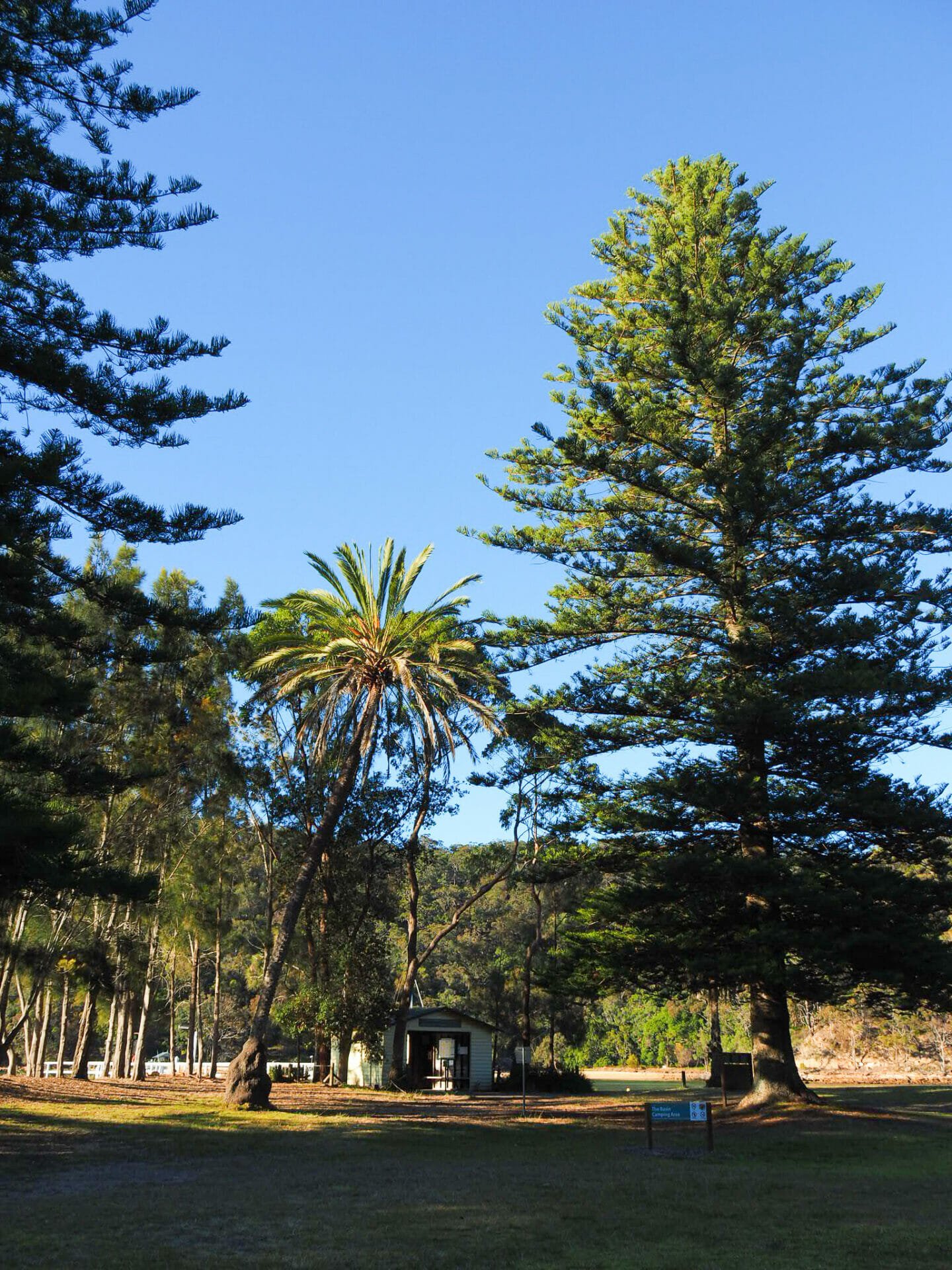
Early morning sun at the campground

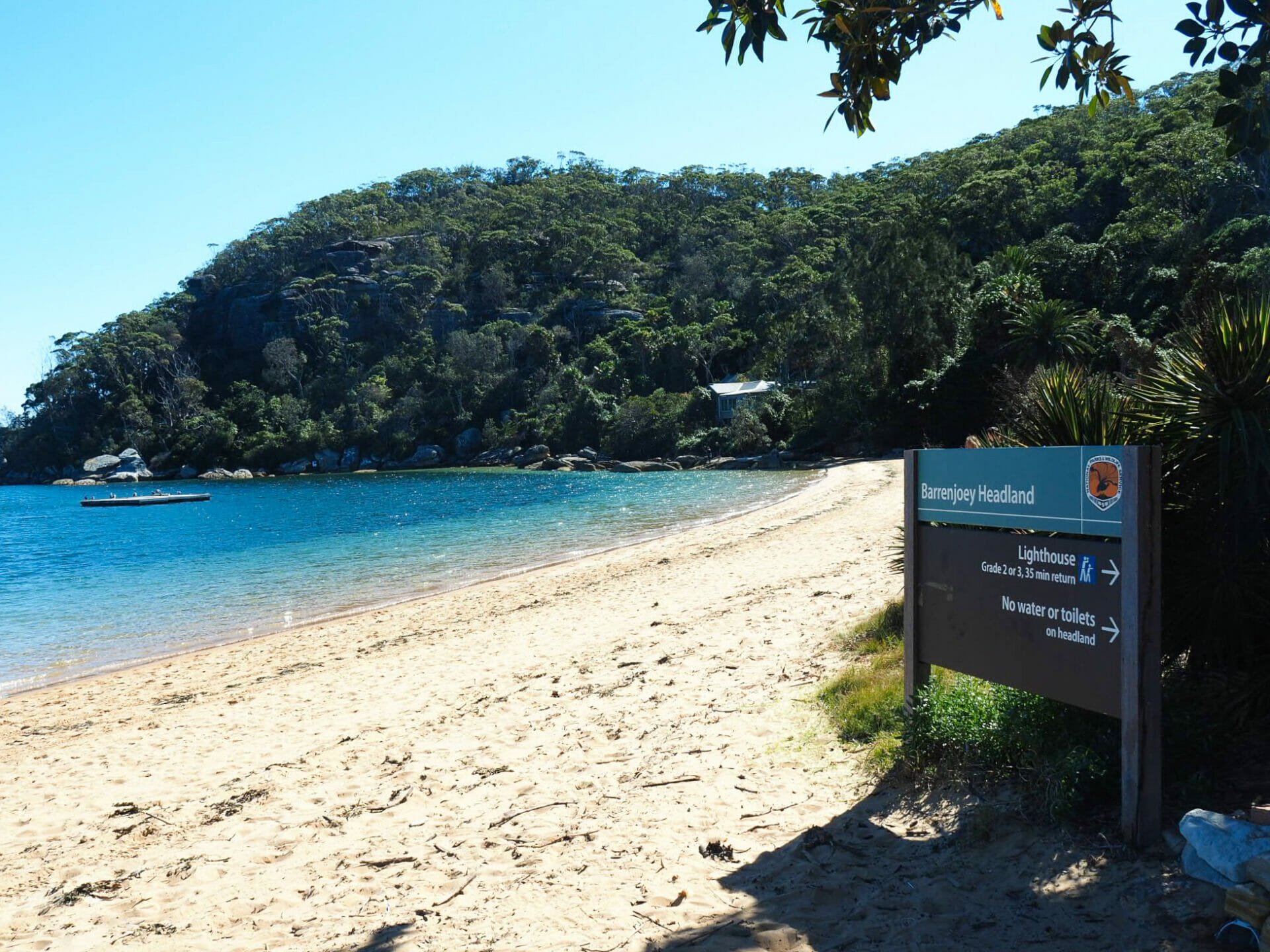
Arriving in Palm Beach after little more than an hour’s drive from our place in south Sydney, we make a bee-line for the region’s most popular activity, a short walk up to Barrenjoey Lighthouse, and then spend the next few hours exploring the charming town and its colourful beaches. Aside from the staggering natural beauty, Palm Beach’s primary claim to fame is as “Summer Bay”, the fictional northern Sydney suburb where Home & Away takes place. And although I am far from a fan of this awkward soap, it’s inarguably one of Australia’s most iconic programs and has been running for over 30 years, so it’s something of an institution— every time I meet Poms overseas, they bring up Home & Away, so it’s probably also safe to say it’s Australia’s most beloved contribution to UK television.

After our morning of beaches and viewpoints, we finally start to think about heading towards the campsite. While our friends grab a quick bite at the fish & chip shop, Callum and I head over to the ticket office to book the next ferry, only to realise there’s no 1pm boat operating today and we’ll need to wait until 2pm to depart.. No matter— we use our extra time wander up the Stairway to Heaven, a steep series of stairs followed by a short trail through the gums, and drool over the incredible houses perched above Palm Beach. It’s hard to imagine living in a paradise like this, but a girl can dream!

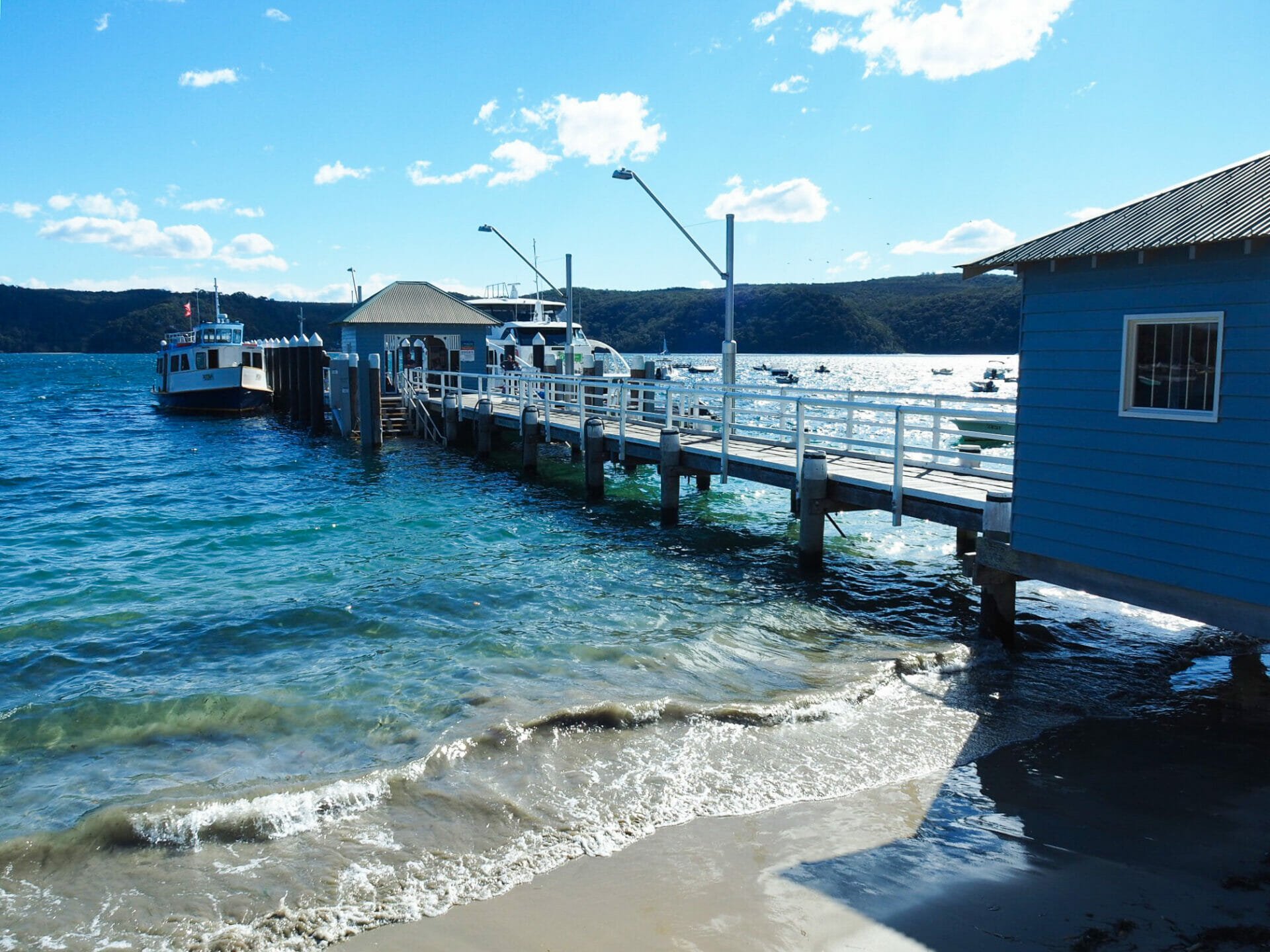
Palm Beach Wharf
Catching the ferry from Palm Beach
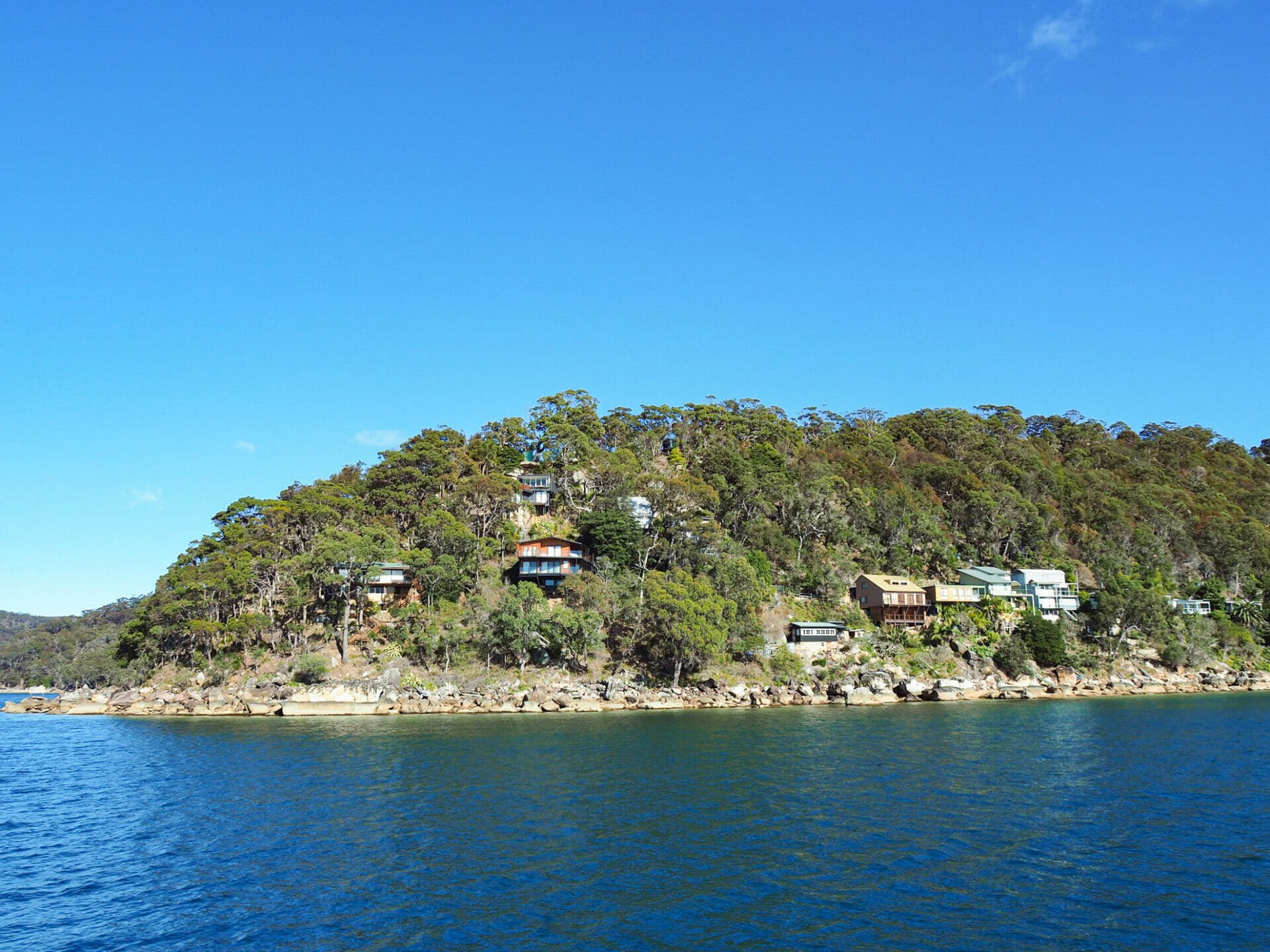
The incredible houses near Currawong

Arriving at The Basin
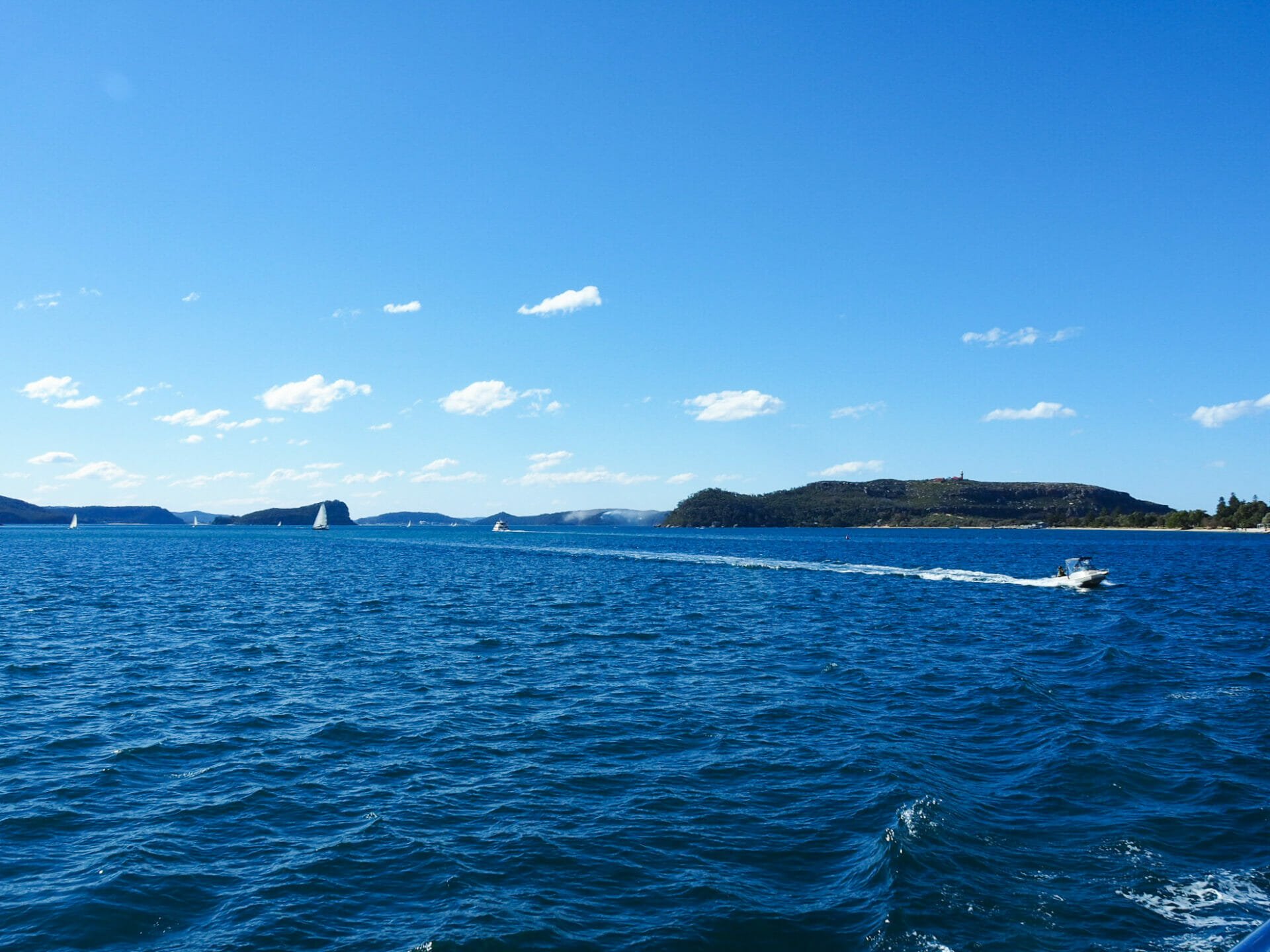
On the ferry to the Basin

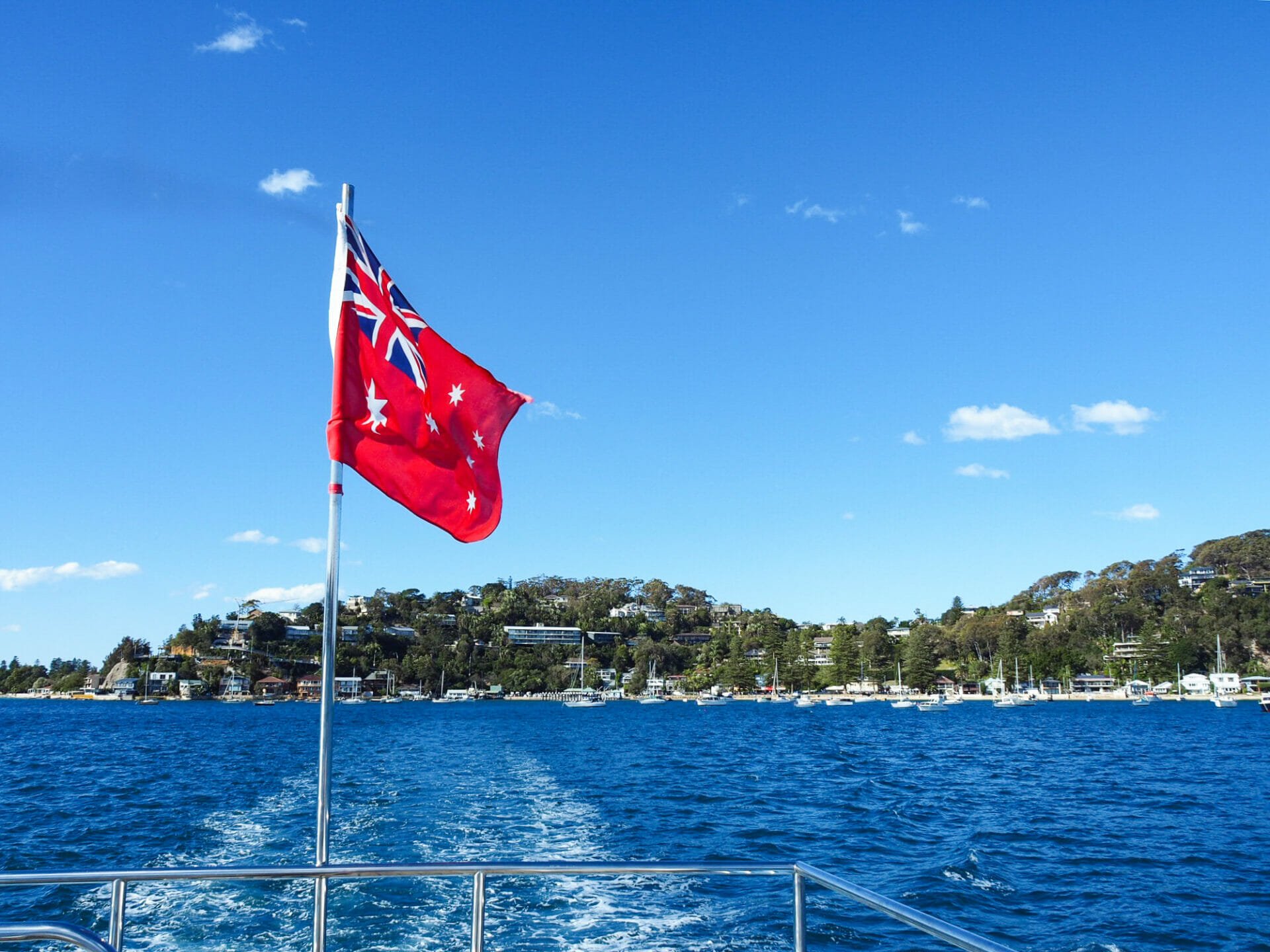
Eventually, we head back to the ferry wharf to unload our belongings and move the car to a free spot. It looks as if we are moving house rather than just camping for one night, but at least we have a meat feast to cook up upon arrival and a few beverages to enjoy! After awkwardly cramming all of our things onto the boat, we head to the top deck and enjoy the leisurely 20 minute ride across the water. The sun is out, the views are spectacular, and I can’t wait to explore more of the national park.

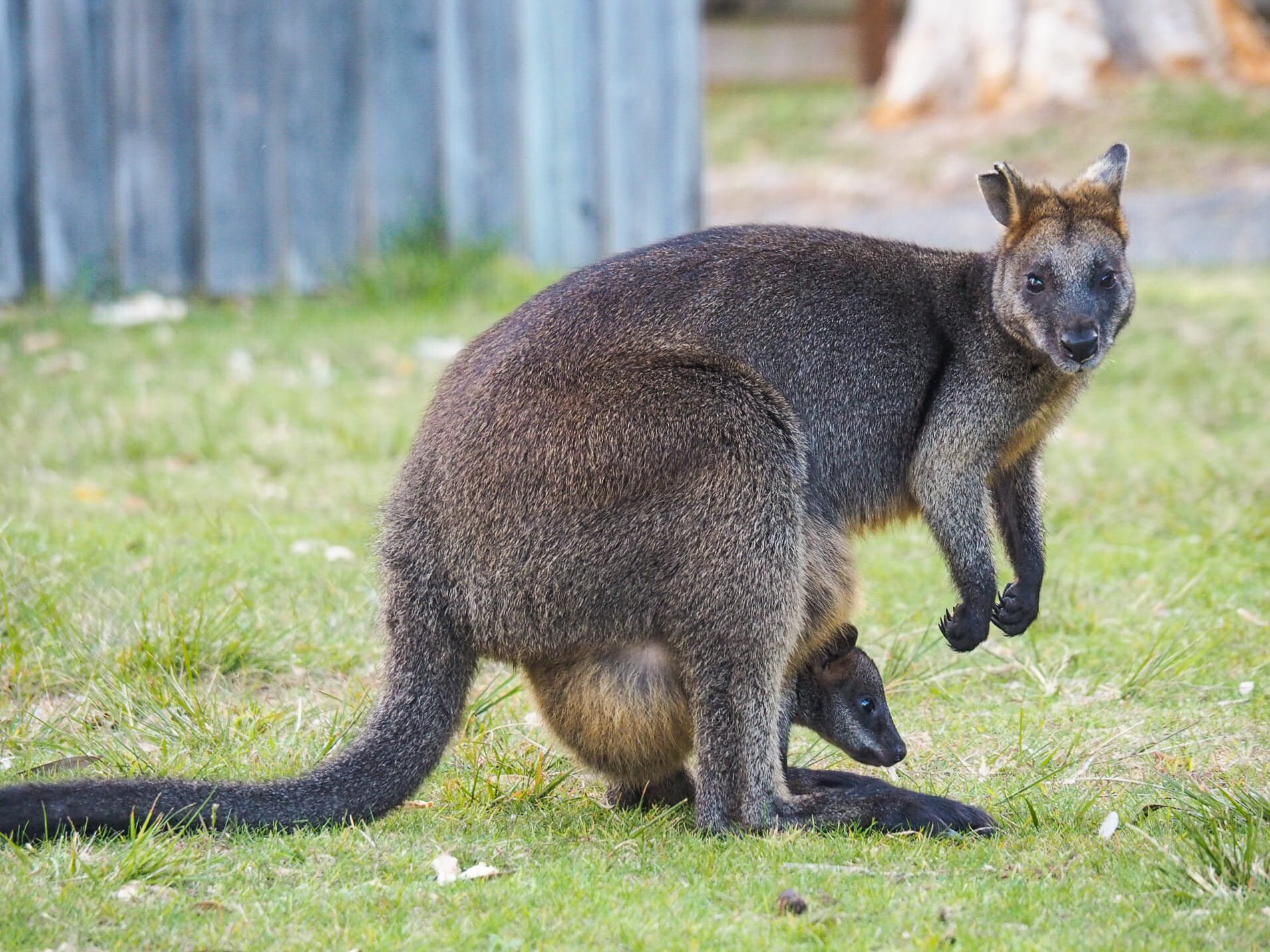
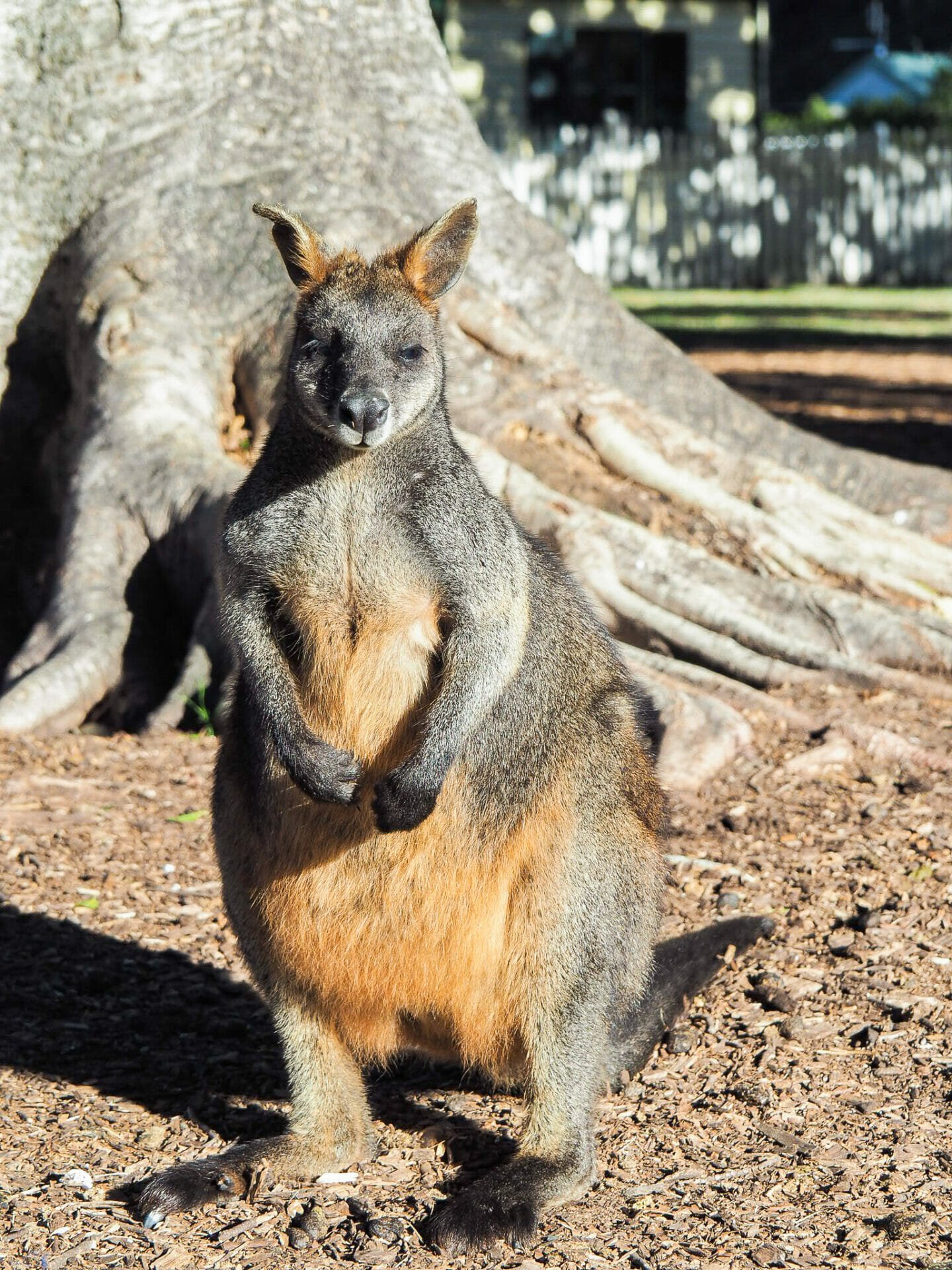
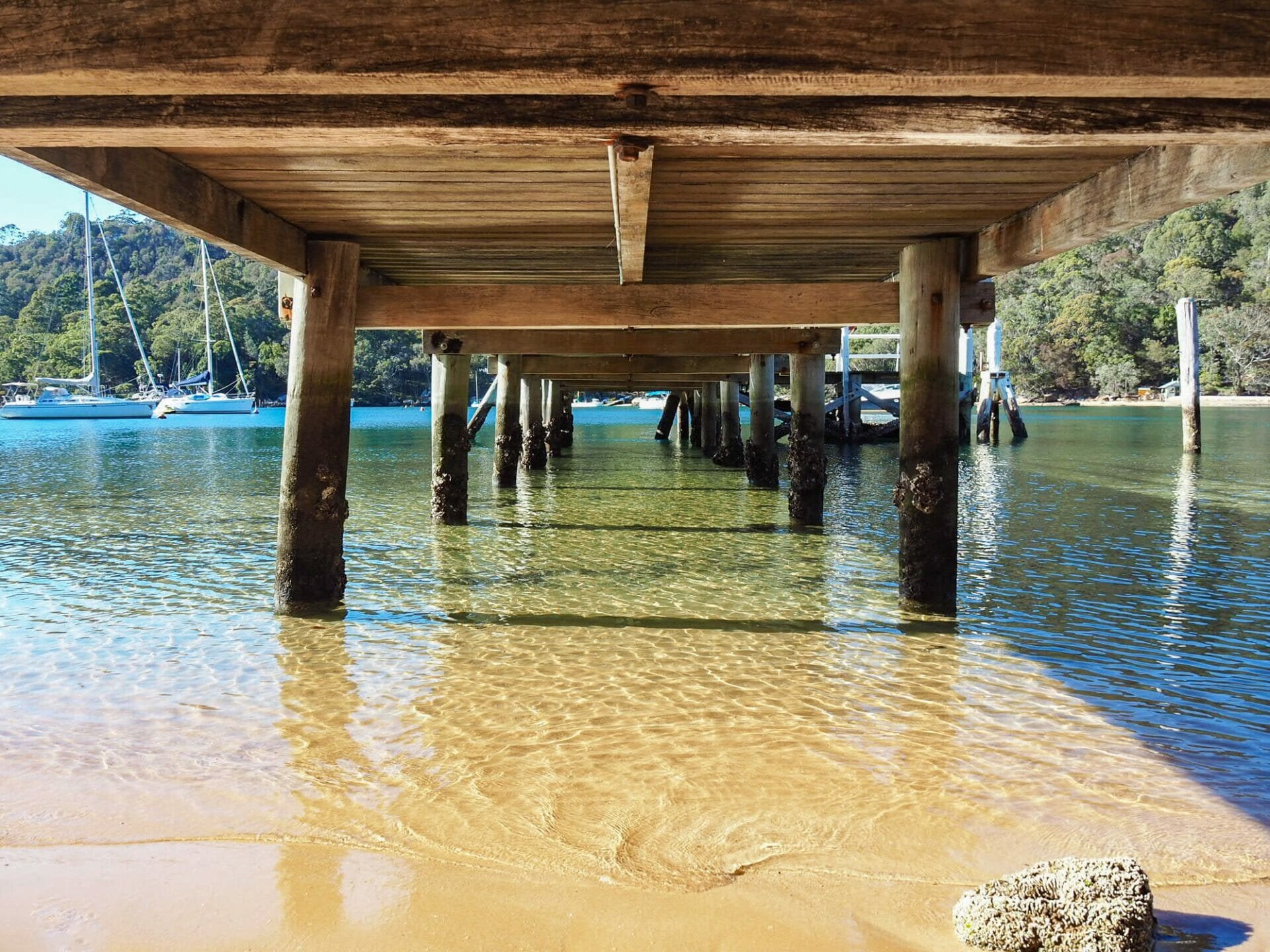
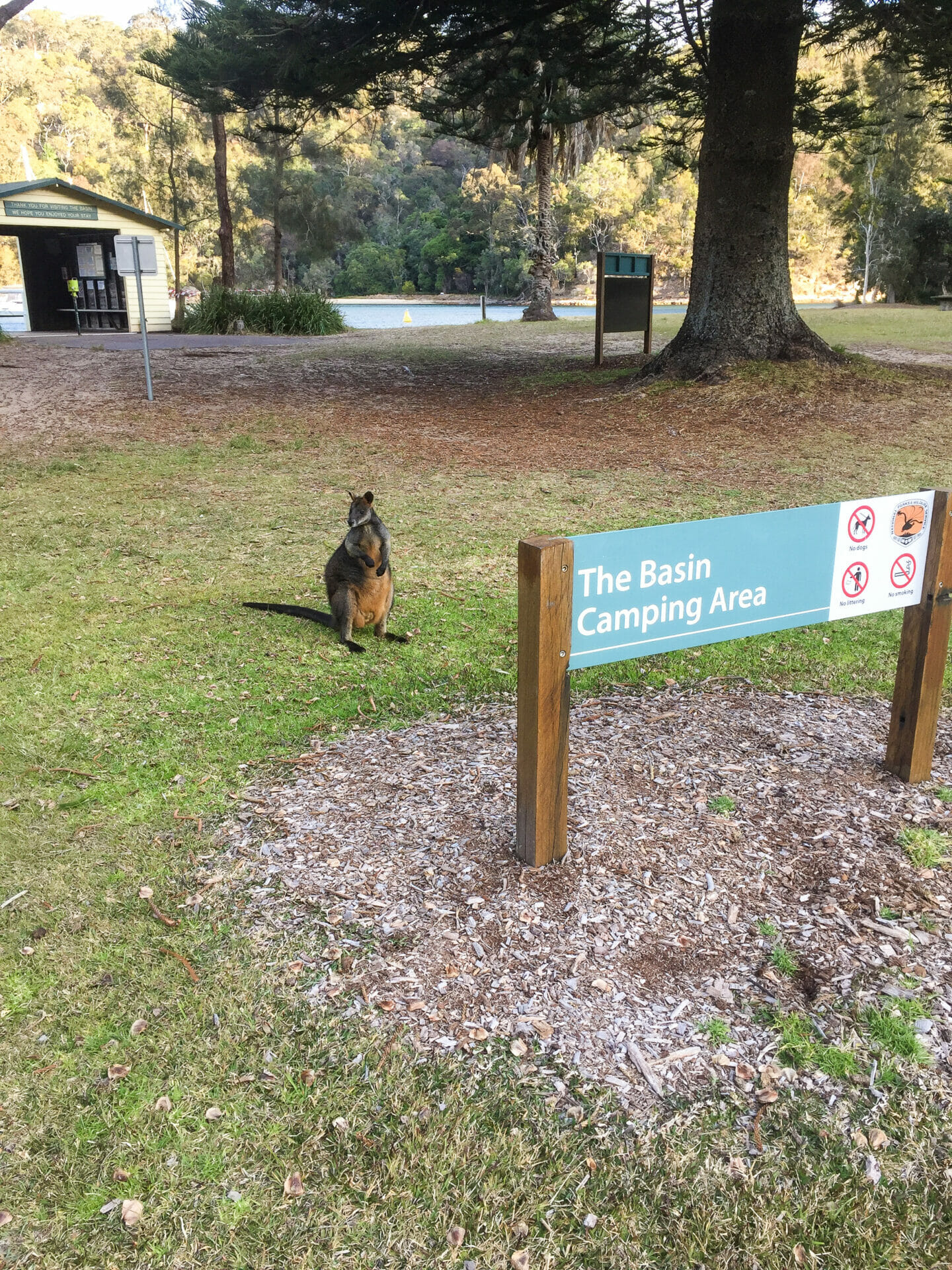
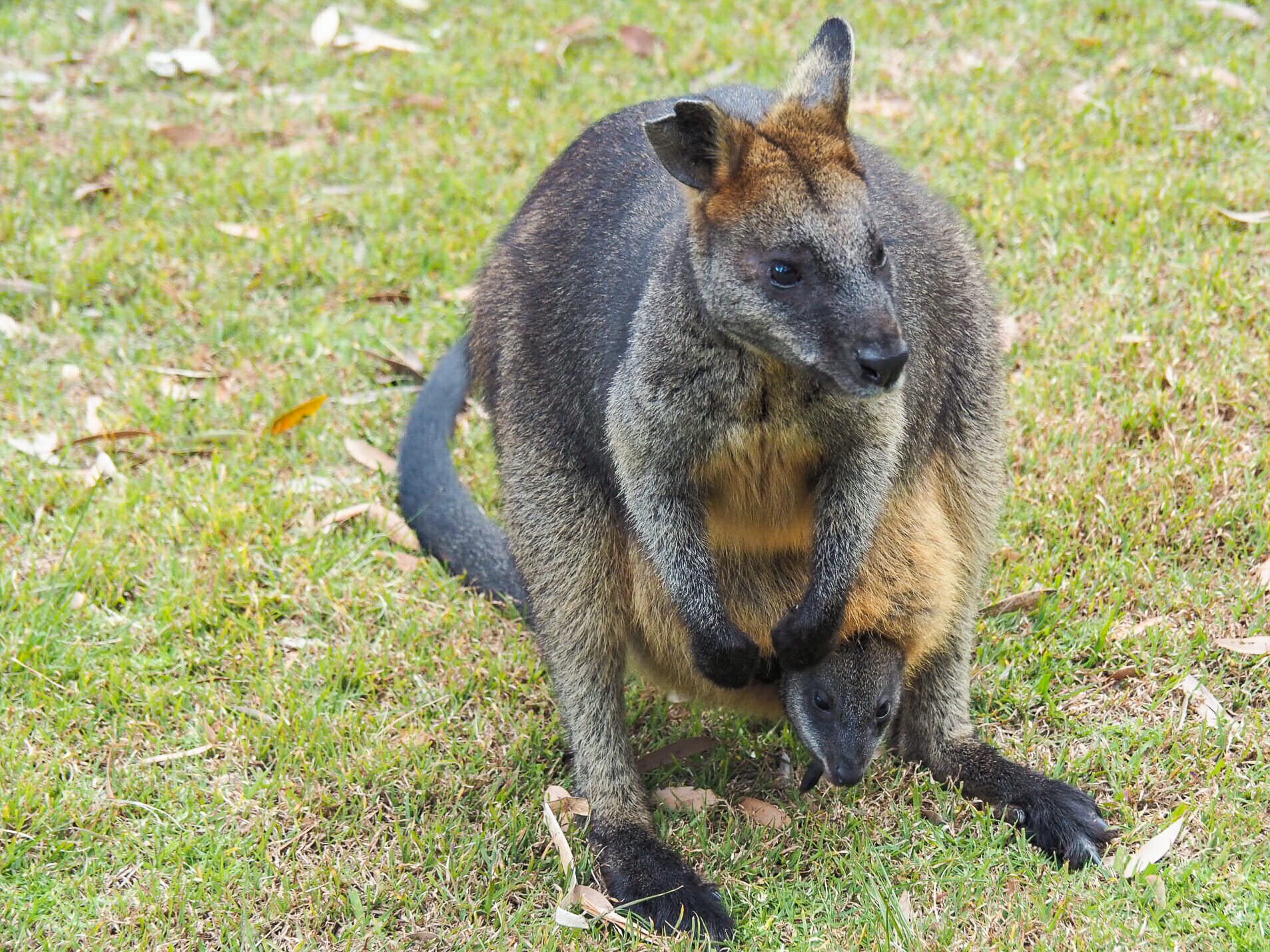
Disembarking at The Basin, we find ourselves in a secluded beach paradise, surrounded by calm sea and sheltered lagoons, as well as several dozen wild wallabies who hop and nibble their way around the tents. Best yet, there are hardly any other people camping this weekend, so we enjoy much of the serene beauty all to ourselves.

Mum and joey wallaby
Excellent swimming at The Basin
Hello, mate!

The Basin campground
Papa wallaby giving mum a back massage
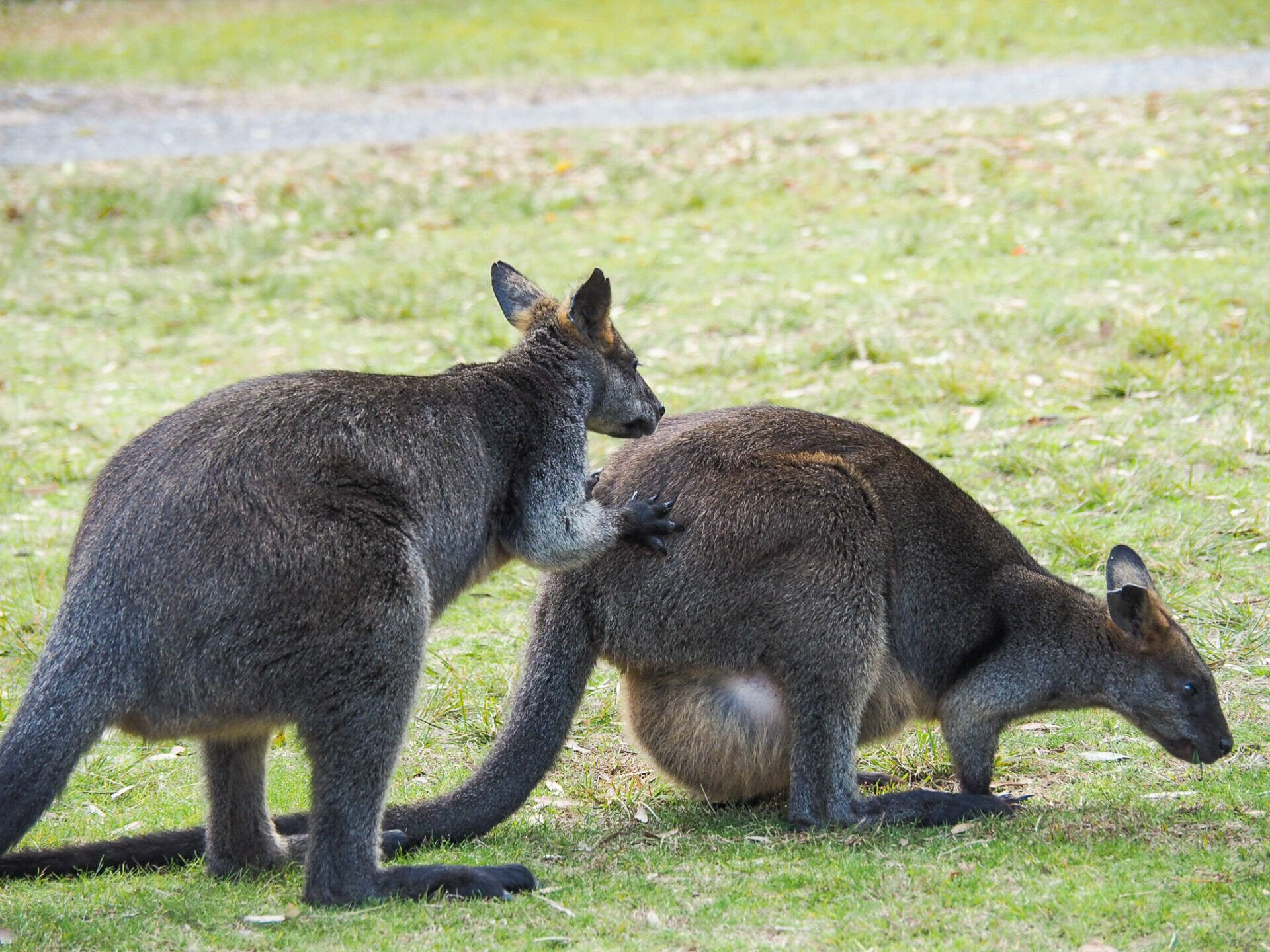
Friendly wallabies hanging out at The Basin

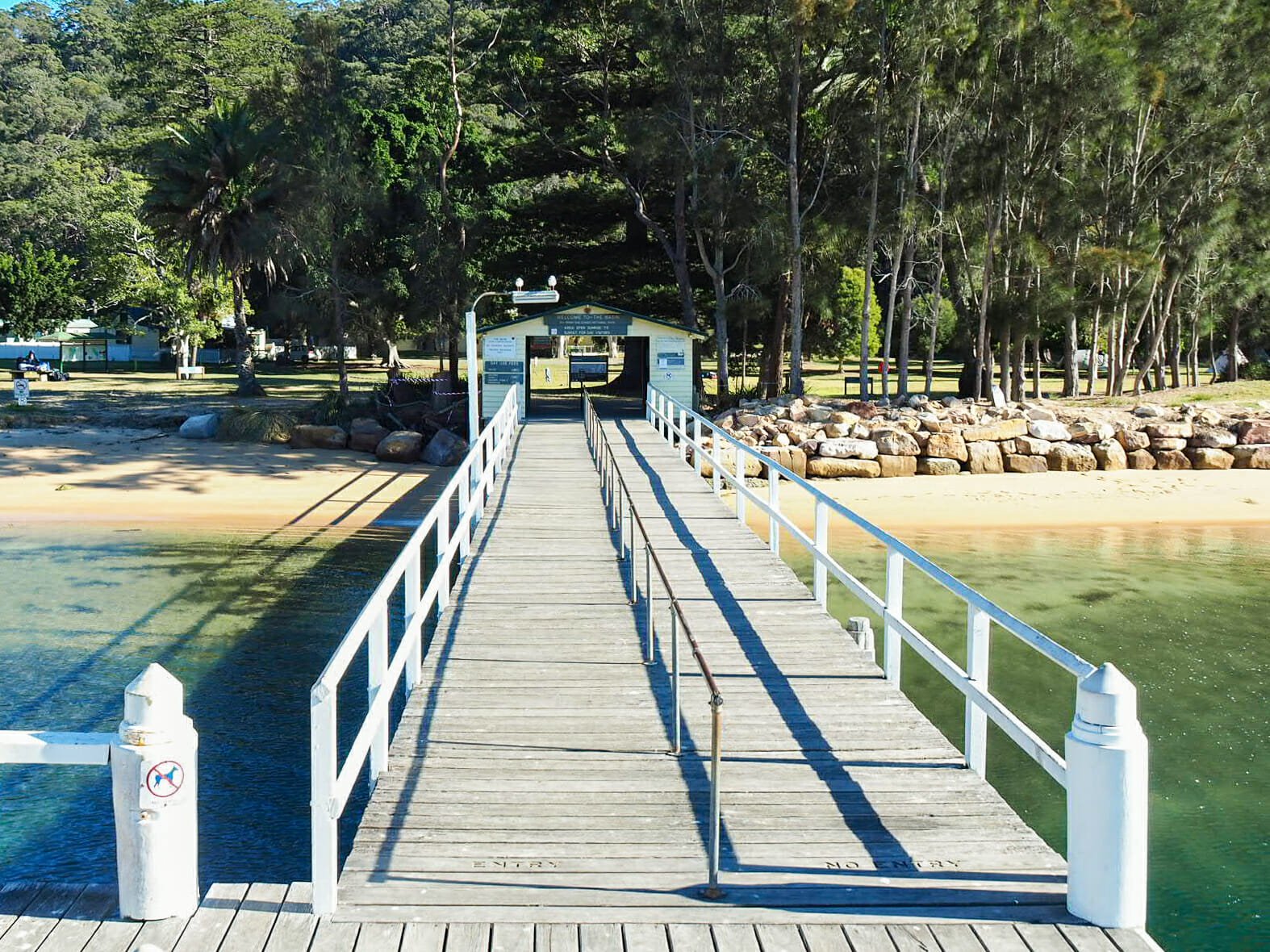
The Basin ferry wharf
Wallabies greeting us upon arrival
Little joey in the pouch

Although the weather takes a dramatic turn for the wet and windy just after we set up the swags and fire up the bbq, which prevents us from doing any bushwalking, we have a phenomenal evening just enjoying the scenery (and following wallabies around, hoping for a cuddle). I’m not even mad that a kookaburra steals a sausage sandwich directly out of my hand THREE TIMES, I’m mostly just excited to have kookaburras at the campsite in the first place!

For a national park so close to the city, Ku-ring-gai Chase is truly a world away, overflowing with empty stretches of sand and cheeky local wildlife. Already, I know I’ll be back, hopefully in summer to properly enjoy all the perfect swim spots (it may be warm, but it’s still winter, so I’m not prepared to hop in just yet). Until next time!
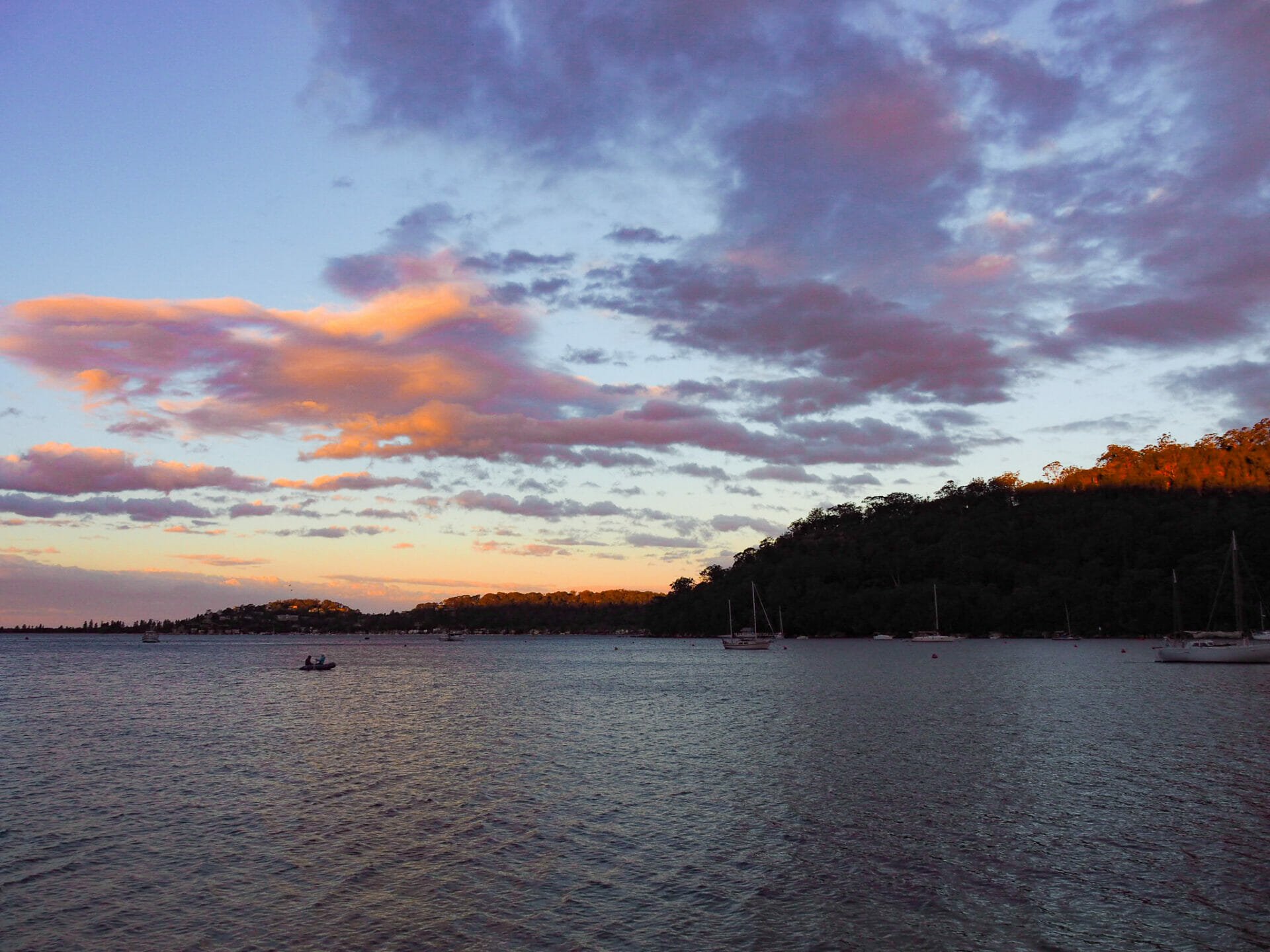
Sunset from our campsite

What to do in & around Ku-ring-gai Chase National Park

Check out Station Beach

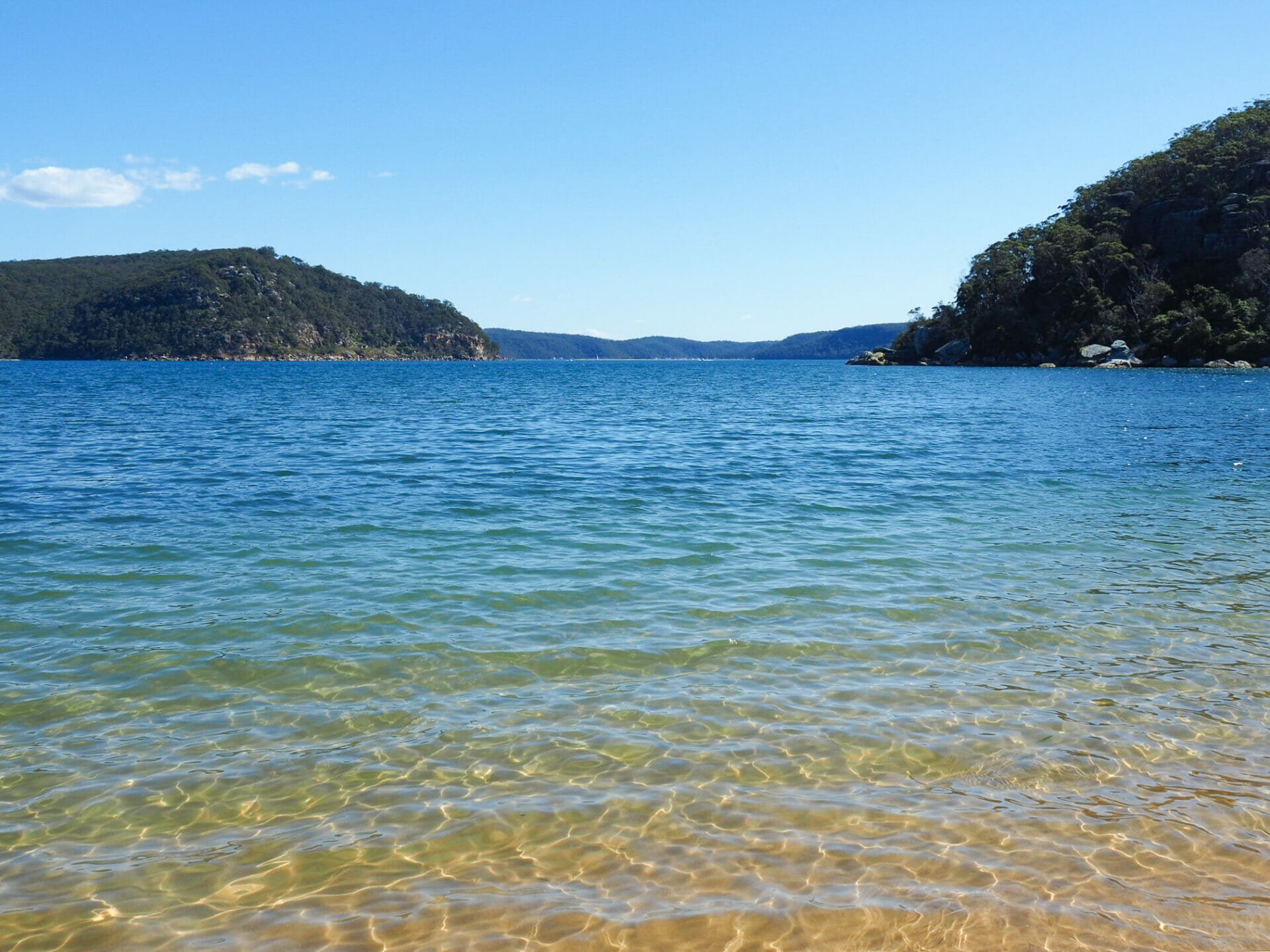
This sunny beach is the start to the Barrenjoey Lighthouse walk, but also a great, sheltered swimming spot. Enjoy the brilliantly clear water during a well deserved dip after your walk to the lighthouse.

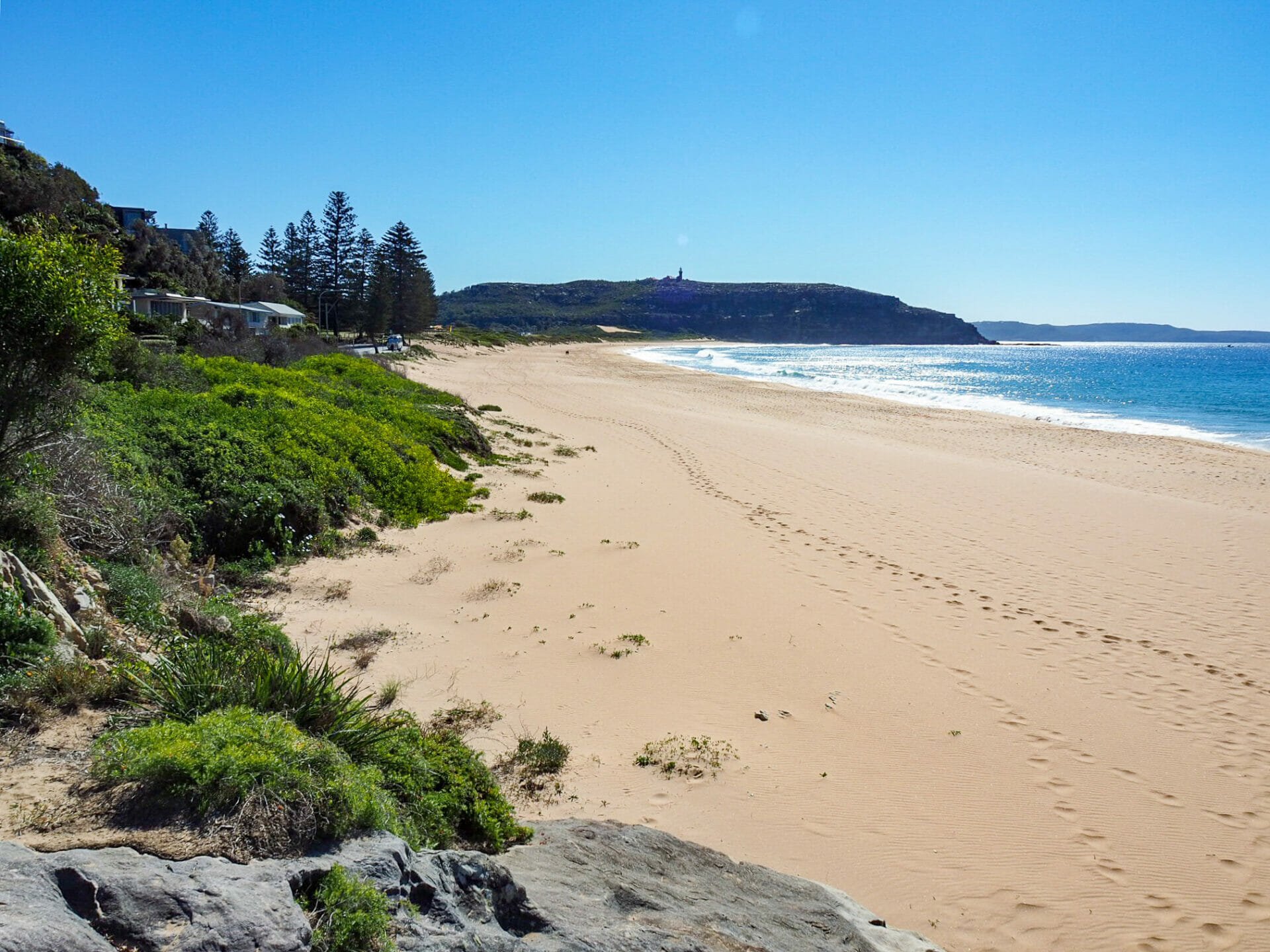
Enjoying the walk along Station Beach
The end of Station Beach
The beautiful water at Station Beach

Hike up to the Barrenjoey Lighthouse

In just 15min, make your way from beautiful Station Beach up to one of the best viewpoints in all of the Northern Beaches, Barrenjoey Lighthouse. This vantage point overlooking Palm Beach and Ocean Beach is absolutely unbeatable, so be sure to set an hour aside for this quick walk.

Read more: PERFECT PALM BEACH & THE BARRENJOEY LIGHTHOUSE WALK

Palm Beach as seen from Barrenjoey Lighthouse

Visit Palm Beach

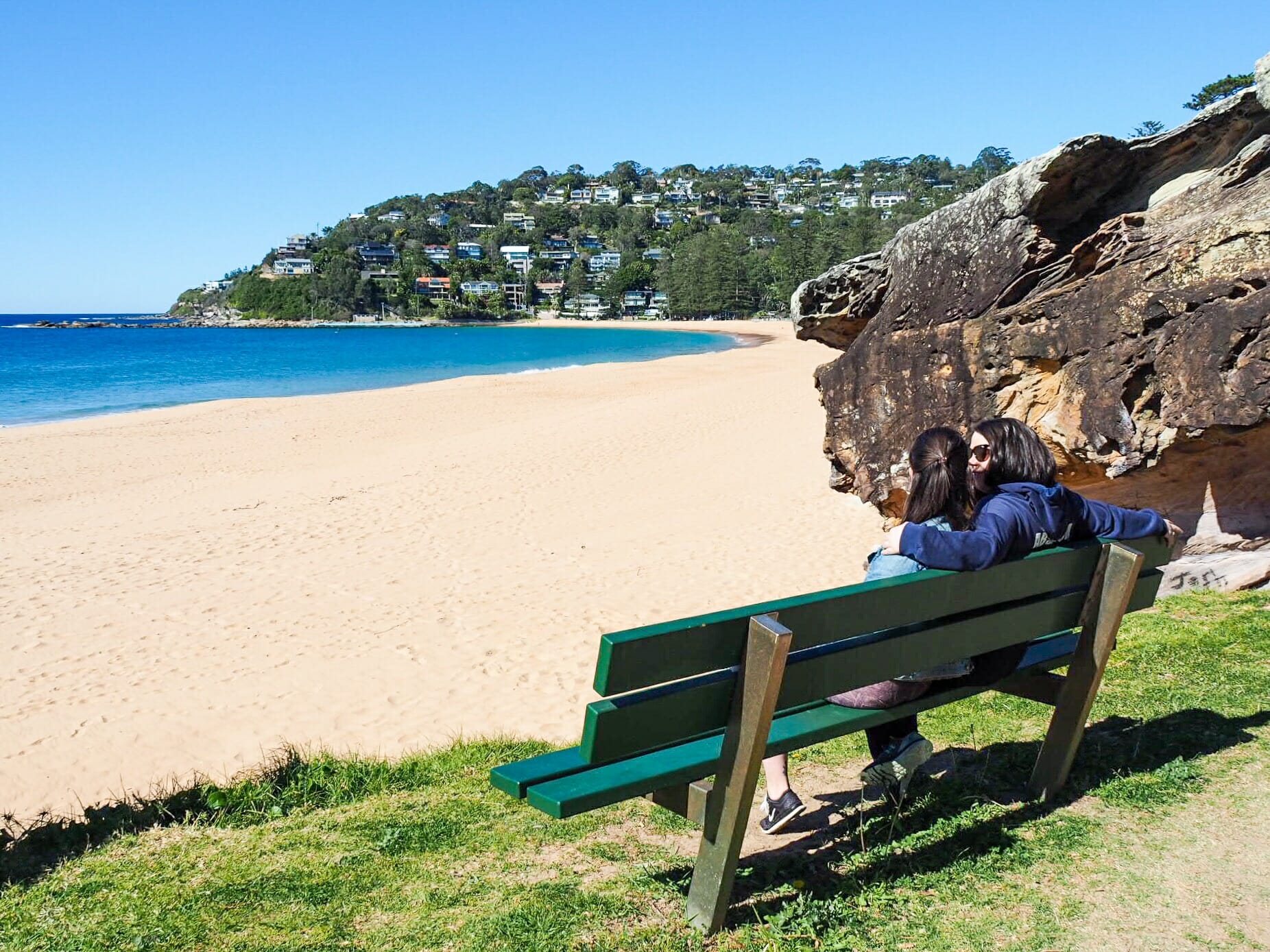
Make sure to check out the charming, upscale town of Palm Beach during your visit, as well as the golden strip of sand by the same name. Enjoy one of several cute cafes along the main strip or the lovely Boathouse Palm Beach, and then relax on Palm Beach itself. For the more adventurous, there’s even great bouldering to be had on some large rocks on the beach (and it’s an easy drop to the sand below)!

Palm Beach
Callum atop the bouldering rocks at Palm Beach
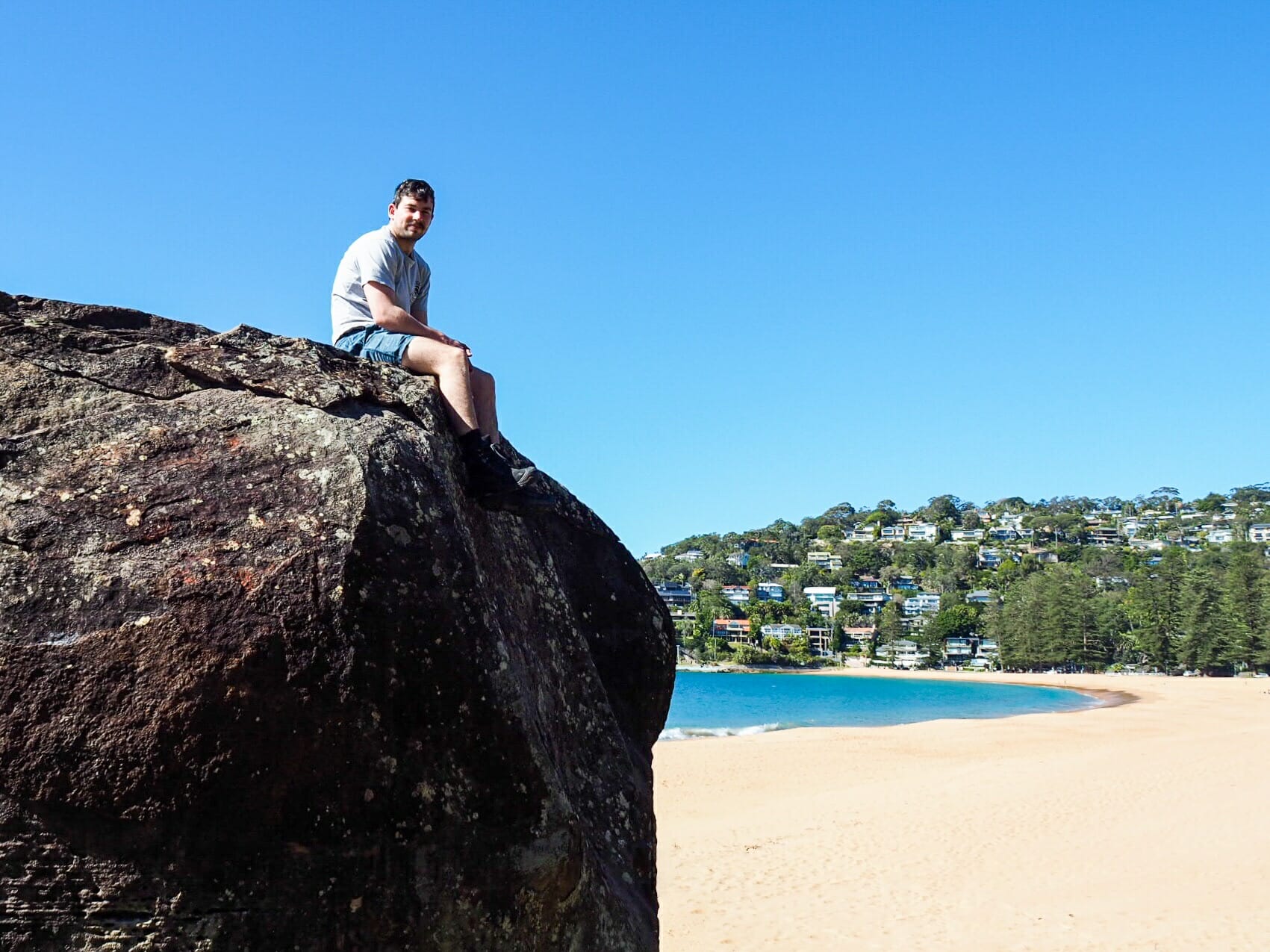
Me & Lucy enjoying Palm Beach

Explore Palm Beach Wharf

While you wait for your ferry across to The Basin, enjoy the beautiful stretch of Palm Beach in front of the wharf and the extensive collection of boats. If you need to kill a bit more time, there’s a fish & chip shop across the road and gelato just down the way, so grab a snack and enjoy it with a view.

The Palm Beach ferry wharf

Go for a bushwalk

There’s actually a heap of great walks in Ku-ring-gai that I am still yet to explore! In the meantime, check out this list from WildWalks on the best 9 trails to explore in Ku-ring-gai Chase National Park.

Read more about what to do in Sydney

FROM HUNTER VALLEY TO MANLY BEACH: 10 ITINERARIES FOR EXPLORING THE VERY BEST OF SYDNEY

THE LEGENDARY PACIFIC COAST TOURING ROUTE: A COMPLETE GUIDE TO ROAD TRIPPING FROM SYDNEY TO BRISBANE

A COMPLETE GUIDE TO VIVID SYDNEY: WHERE TO GO & WHAT TO SEE

TOP ILLAWARRA VIEWPOINTS AND LOOKOUTS: BALD HILL, SEA CLIFF BRIDGE & MORE

A COMPLETE GUIDE TO EXPLORING SYDNEY’S BLUE MOUNTAINS

SPIT BRIDGE TO MANLY: STROLLING THROUGH SYDNEY’S NORTHERN BEACHES

THE BONDI TO COOGEE COASTAL WALK

0 Comments
Share
brooke beyond

Hey, I'm Brooke and I'm obsessed with getting off the beaten path, exploring backcountry gems & travelling beyond the ordinary! I left Australia 5 years ago after finishing a PhD in Biomechanics & have been travelling the world full-time ever since (joined by my life/climbing partner, James). Whether it’s road-tripping through Mexico, climbing alpine peaks in the Andes, scuba diving in the Red Sea, or tackling epic via ferrata in the Dolomites, I hope this blog will inspire your future adventures & help you find wonder in every corner of the globe. xx bb

Leave a Comment Cancel Comment

You May Also Like

15 March 2018

Best of the Blue Mountains: Prince Henry Cliff Walk

7 June 2018

Top Illawarra viewpoints and lookouts: Bald Hill, Sea Cliff Bridge & more

7 July 2020

Great Ocean Walk (day 1): Apollo Bay to Elliot Ridge

hi, I’m brooke!

I'm obsessed with getting off the beaten path, exploring backcountry gems & travelling beyond the ordinary! I left Australia 5 years ago after finishing a PhD in Biomechanics & have been travelling the world full-time ever since (now joined by my life/climbing partner, James). I hope this blog will inspire your future adventures & help you find wonder in every corner of the globe. xx bb

read my story
currently exploring

currently exploring

iceland

read our gear guides

🥾 hiking boots

🎒 hiking backpacks

🌨️ cold-weather layers

⛺️ backpacking & alpine tents

🛌 sleeping bag & pads

🍪 backcountry food

📸 travel camera gear

✈️ travel clothing

trail guides

summit guides

itineraries

outdoor gear

GPS maps

recent posts

  • Laguna Humantay, Cusco Peru

    6 awesome day trips from Cusco, Peru

    24 November 2025
  • Adventure-ready picks from the REI Co-op Holiday Sale

    17 November 2025
  • 2-week Montenegro road-trip itinerary: epic hiking, Riviera beaches & wine country

    3 September 2025
  • 10-day Switzerland itinerary: Zermatt, Interlaken, Jungfrau & beyond!

    31 August 2025
  • Climbing Iztaccíhuatl volcano

    2-week Mexico volcanoes itinerary: climbing Pico de Orizaba, Izta, Malinche & Toluca

    3 June 2025

@brookebeyond_
brooke ✨travel & mountain gal

@brookebeyond_

  • A friend asked me recently if I’d noticed a shift in my follower demographic here on Instagram (as it had been my goal over the last year to reach more women). According to the data, not really— I still have a majority male followers— but I have absolutely FELT a shift in the quality of people who choose to interact with my account. 

There was a time when posting a photo in a swimsuit or a sports bra would trigger a flood of angry villagers sprinting to the comments to tell me that I needed to leave more to the imagination, that I was sexualising myself (and therefore couldn’t expect others not to), that I was a wh*re … simply for existing in the body that I was born in. 

And I’ve always pushed back against the notion that my only solution was to wear baggy t-shirts or turtlenecks simply to make others feel more comfortable with MY BODY. 

The reality is that a woman’s worth CANNOT come down to what she’s wearing, her cup size, her willingness to cover herself up so that others don’t feel tempted to treat her like an object... If you only respect a woman when her body is entirely hidden, do you really respect her??

It’s been difficult to cling to these ideals amidst disparaging + often disgusting comments from strangers online, but it felt important to keep showing up as myself, in whatever I felt comfortable in, saying whatever I needed to say, if only to prove that wearing a swimsuit doesn’t make me less of a person, just like wearing sports bra doesn’t make me less of a climber and having breasts doesn’t automatically invalidate my opinions as a travel blogger. 

And somewhere along the way (after many feminist rants that cleaned out the undesirables & quite a bit of good ol fashioned blocking), I felt the shift I’d been waiting for. Comments this past year have been more about the content of my posts and the recommendations I make than what I’m wearing, and it feels SO FJKING GOOD to have made even a small degree of progress in this tiny corner of the internet. 

So please comment below if you don’t agree with any this and want to continue judging me based on what I wear so that I can block your account & protect my inner peace 🥰✌🏼
  • IS IT SAFE TO TRAVEL TO ETHIOPIA?? 🇪🇹

Since falling in love with Ethiopia and sharing so many spectacular, unique experiences here on insta, I’ve received a small flood of DMs asking about traveller safety— especially considering the US currently lists Ethiopia as “Level 3: Reconsider Travel”

So here’s some context and our personal experience 👇🏻

From 2020 to 2022, Ethiopia experienced a brutal civil war centred in the northern Tigray region that spilled over into some of the surrounds. The conflict claimed hundreds of thousands of lives and displaced millions, but by the grace of a peace agreement signed in late 2022, communities across northern Ethiopia have been actively rebuilding in the years since.

We travelled through Ethiopia twice in 2025 for several weeks at a time, visiting many regions that were directly affected by the war and, with our own eyes, experienced a country that felt stable, welcoming, generous, and deeply grateful for visitors returning. 

Perhaps most importantly, tourism here has REAL power. Every guesthouse stay, home-cooked meal, and local service directly injects money into communities recovering from the conflict, helping families restore their livelihoods, put food on the table, and send their children to school.

We absolutely adore Ethiopia and the beautiful people we’ve met here, so we’re passionate about sharing these experiences with fellow travellers— especially at a time when tourism dollars mean life and opportunity for so many. 

PLEASE don’t trust everything you read online. I would strongly encourage you to come discover this warm, unique, resilient country for yourself WITH the support of a trusted local guide and/or driver, who will always prioritise your safety based on real risk, not fear-mongering.

If you need a recommendation for a great guide/driver anywhere in the country, talk to our local friend Kiros @lucyethiopiatours and he will absolutely take care of you 🙏🏼

—
#ethiopia #travelsafety #travelethiopia #tigray
  • One of our last destinations of 2025: Djibouti, a country that hardly anyone seems to know anything about (but that surprised and delighted us in many ways!)

Perched on the Horn of Africa, where tectonic plates split the earth and salt flats stretch to the horizon, Djibouti feels raw, otherworldly + wildly alive. It’s home to Africa’s lowest point on land, volcanic deserts, crater lakes, pink flamingos, whale sharks, and landscapes that look more like another planet.

But it’s not just the scenery. There’s a fascinating blend of cultures here: Afar & Somali traditions, strong tribal identity, and layers of French influence that linger in language, architecture, and daily life. Standing at a crossroads between Africa, the Middle East & the Red Sea, Djibouti is truly a place shaped by movement— of people, of plates, of history.

The 3rd photo illustrates this perfectly (and it’s one of my favourite captures of the year): Afar people travelling on foot with a camel caravan across the desert borderlands, hauling bundles of palm fronds + Djiboutian salt hundreds of kilometres back towards home to Ethiopia.

Because we’ve spent so much time in Ethiopia lately (and have 2 sold-out group trips running this year!), Djibouti just felt like the next natural frontier for us, and certainly didn’t disappoint. We spent 5 days road-tripping across wild landscapes, swimming with whale sharks in the bay, camping on empty beaches, and discovering this untouched gem. 

Have you ever thought about visiting Djibouti??

—
#djibouti #afar #lacabbe #hornofafrica #travelbeyond
  • an entire year of my full-time travel expenses (365 days on the road!), from flights & hotels to healthcare & entrance fees to SIM cards & Spotify ↯

** these numbers are a reflection of my PERSONAL spending in 2025— not representative of the absolute cheapest long-term travel style, just intended to show how much I was able to experience this year for less than rent in a major city

$7,172 ACCOMMODATION
🏡 apartments = $2,415
🏕️ campsites = $121
🏨 hotels + hostels = $4,446
🛖 mountain huts = $190

$5,167 ACTIVITIES
🎟️ entrance fees + permits = $218
⛵️ experiences + tours = $4,217
🔥 hot springs + sauna = $733

$8,244 FOOD & DRINKS
🍹 drinks = $2,088
🌮 eating out = $4,999
🧀 groceries = $1,156

$4,807 PERSONAL EXPENSES 
🧴 consumables (ex. shampoo) = $981
💊 healthcare = $3,042
🧺 laundry = $69
📲 mobile data = $216
🗺️ subscriptions (ex. Garmin In-Reach, Spotify) = $500

$8,719 TRANSPORTATION
✈️ airfare = $3,826
🚘 car hire = $2,970
⛽️ fuel + parking = $659
🚕 private transport (ex. Uber) = $635
🚃 public transport (ex. train) = $627

$1,744 TRAVEL LOGISTICS
🚫 change fees + cancellations = $355
🧳 baggage fees + luggage storage = $385
🪪 ID (ex. licence renewal) = $255
💳 credit card annual fees = $448
💰 insurance = $72
🛂 travel visas = $229

= $35,852USD TOTAL LIVING EXPENSES
($98 per day)

—
#fulltimetravel #travelbudget #travelexpenses
  • HAPPY ETHIOPIAN CHRISTMAS (GENA ገና ) ✞🕯️✨

We were lucky enough to experience these celebrations last January (Christmas falls on the 7th according to the orthodox calendar), and it was truly one of the most incredible travel moments we’ve EVER had 🥹

We only saw 4 other foreigners during our 3 days in Lalibela, and we were welcomed so warmly into the churches, the festivities, and the traditions of Christmas by friendly locals who delighted in the opportunity to share their culture + customs with a couple of curious ferenjis 🤍

———

#ethiopia #gena #ethiopianchristmas #travelbeyond #lalibela
  • our cost of living as full-time travellers came in at $98/day this year (JUST UNDER OUR $100 daily goal) 💃🏻🍾✨

→ $$$ per person based on sharing rooms + joint travel costs with my partner— AND YES, THIS IS EVERY SINGLE DOLLAR SPENT ALL YEAR

this was the most expensive year I’ve had since starting full-time travel more than 5 years ago (!!), but it was also atypical in many ways...
- I had knee surgery in Mexico, which we paid for out of pocket
- because of the slow & terrible recovery from said surgery, we had to cancel most of our big hiking plans for the year, which meant extremely little camping and a lot more city time (= expensive)
- we splurged on a $5000+ campervan rental in Iceland because I’ve been trying to convince James (successfully!) that we should do van life— some of you will recall that I lived in a van for 1.5 years previously, which I LOVED, and the only thing missing was James 👩🏼‍❤️‍💋‍👨🏻
- I got a new MacBook, a new iPhone, AND we upgraded 2x cameras in 2025 (looking forward to no big upgrades in 2026 😅)

I always love chatting travel finance, so by all means— hit me with your questions in the comments! 

———

#2025 #fulltimetravel #travelfinance #costofliving
  • another year of prioritising memories > things 🔥

if you’re new here, I’m Brooke 👋🏻 and I’ve been travelling full-time for over 5 years, sharing unique experiences around the world, detailed adventure itineraries, financial breakdowns, and stories from the road.

follow @brookebeyond_ for more adventures in 2026!

———

#2025 #2025season #fulltimetravel
  • A colourful look back at 2025— my 5th full year living out of a suitcase (!!!), so many highs (& some unexpected lows 🩼), all with my other half @slatojc

Cheers to whatever wild adventures 2026 has in store for us 🍻✨

—
#2025 #travelwrapped #2025wrapped #2025season #fulltimetravel
  • It seems we went a little bit of everywhere in 2025, but much more than just the numbers, this year was a celebration of so many of our favourite places— a return to Iceland, two trips to Ethiopia, a sold-out group trip to Jordan & Egypt, 3.5 months in magical Mexico…

I track how many countries we visit for the same reasons I track all our annual travel data and daily spending (nerd reasons), but 5.5 years into full-time travel, it’s less and less about amassing an impressive * list* and more about going to places that truly impress US. 

Sometimes that means venturing to wild new corners and sometimes that means returning to places we can’t wait to see more of, but we’re proud to say this “list” is purely the byproduct of our own excitement and curiosity for the world rather than the other way around. 

There are a million reasons to travel, numbers shouldn’t be one 🖤🌎✨
follow @brookebeyond_

travel beyond the ordinary

Explore my travel guides, custom itineraries & blog posts with an interactive world map ✨

all destinations

  • A friend asked me recently if I’d noticed a shift in my follower demographic here on Instagram (as it had been my goal over the last year to reach more women). According to the data, not really— I still have a majority male followers— but I have absolutely FELT a shift in the quality of people who choose to interact with my account. 

There was a time when posting a photo in a swimsuit or a sports bra would trigger a flood of angry villagers sprinting to the comments to tell me that I needed to leave more to the imagination, that I was sexualising myself (and therefore couldn’t expect others not to), that I was a wh*re … simply for existing in the body that I was born in. 

And I’ve always pushed back against the notion that my only solution was to wear baggy t-shirts or turtlenecks simply to make others feel more comfortable with MY BODY. 

The reality is that a woman’s worth CANNOT come down to what she’s wearing, her cup size, her willingness to cover herself up so that others don’t feel tempted to treat her like an object... If you only respect a woman when her body is entirely hidden, do you really respect her??

It’s been difficult to cling to these ideals amidst disparaging + often disgusting comments from strangers online, but it felt important to keep showing up as myself, in whatever I felt comfortable in, saying whatever I needed to say, if only to prove that wearing a swimsuit doesn’t make me less of a person, just like wearing sports bra doesn’t make me less of a climber and having breasts doesn’t automatically invalidate my opinions as a travel blogger. 

And somewhere along the way (after many feminist rants that cleaned out the undesirables & quite a bit of good ol fashioned blocking), I felt the shift I’d been waiting for. Comments this past year have been more about the content of my posts and the recommendations I make than what I’m wearing, and it feels SO FJKING GOOD to have made even a small degree of progress in this tiny corner of the internet. 

So please comment below if you don’t agree with any this and want to continue judging me based on what I wear so that I can block your account & protect my inner peace 🥰✌🏼
  • IS IT SAFE TO TRAVEL TO ETHIOPIA?? 🇪🇹

Since falling in love with Ethiopia and sharing so many spectacular, unique experiences here on insta, I’ve received a small flood of DMs asking about traveller safety— especially considering the US currently lists Ethiopia as “Level 3: Reconsider Travel”

So here’s some context and our personal experience 👇🏻

From 2020 to 2022, Ethiopia experienced a brutal civil war centred in the northern Tigray region that spilled over into some of the surrounds. The conflict claimed hundreds of thousands of lives and displaced millions, but by the grace of a peace agreement signed in late 2022, communities across northern Ethiopia have been actively rebuilding in the years since.

We travelled through Ethiopia twice in 2025 for several weeks at a time, visiting many regions that were directly affected by the war and, with our own eyes, experienced a country that felt stable, welcoming, generous, and deeply grateful for visitors returning. 

Perhaps most importantly, tourism here has REAL power. Every guesthouse stay, home-cooked meal, and local service directly injects money into communities recovering from the conflict, helping families restore their livelihoods, put food on the table, and send their children to school.

We absolutely adore Ethiopia and the beautiful people we’ve met here, so we’re passionate about sharing these experiences with fellow travellers— especially at a time when tourism dollars mean life and opportunity for so many. 

PLEASE don’t trust everything you read online. I would strongly encourage you to come discover this warm, unique, resilient country for yourself WITH the support of a trusted local guide and/or driver, who will always prioritise your safety based on real risk, not fear-mongering.

If you need a recommendation for a great guide/driver anywhere in the country, talk to our local friend Kiros @lucyethiopiatours and he will absolutely take care of you 🙏🏼

—
#ethiopia #travelsafety #travelethiopia #tigray
  • One of our last destinations of 2025: Djibouti, a country that hardly anyone seems to know anything about (but that surprised and delighted us in many ways!)

Perched on the Horn of Africa, where tectonic plates split the earth and salt flats stretch to the horizon, Djibouti feels raw, otherworldly + wildly alive. It’s home to Africa’s lowest point on land, volcanic deserts, crater lakes, pink flamingos, whale sharks, and landscapes that look more like another planet.

But it’s not just the scenery. There’s a fascinating blend of cultures here: Afar & Somali traditions, strong tribal identity, and layers of French influence that linger in language, architecture, and daily life. Standing at a crossroads between Africa, the Middle East & the Red Sea, Djibouti is truly a place shaped by movement— of people, of plates, of history.

The 3rd photo illustrates this perfectly (and it’s one of my favourite captures of the year): Afar people travelling on foot with a camel caravan across the desert borderlands, hauling bundles of palm fronds + Djiboutian salt hundreds of kilometres back towards home to Ethiopia.

Because we’ve spent so much time in Ethiopia lately (and have 2 sold-out group trips running this year!), Djibouti just felt like the next natural frontier for us, and certainly didn’t disappoint. We spent 5 days road-tripping across wild landscapes, swimming with whale sharks in the bay, camping on empty beaches, and discovering this untouched gem. 

Have you ever thought about visiting Djibouti??

—
#djibouti #afar #lacabbe #hornofafrica #travelbeyond
  • an entire year of my full-time travel expenses (365 days on the road!), from flights & hotels to healthcare & entrance fees to SIM cards & Spotify ↯

** these numbers are a reflection of my PERSONAL spending in 2025— not representative of the absolute cheapest long-term travel style, just intended to show how much I was able to experience this year for less than rent in a major city

$7,172 ACCOMMODATION
🏡 apartments = $2,415
🏕️ campsites = $121
🏨 hotels + hostels = $4,446
🛖 mountain huts = $190

$5,167 ACTIVITIES
🎟️ entrance fees + permits = $218
⛵️ experiences + tours = $4,217
🔥 hot springs + sauna = $733

$8,244 FOOD & DRINKS
🍹 drinks = $2,088
🌮 eating out = $4,999
🧀 groceries = $1,156

$4,807 PERSONAL EXPENSES 
🧴 consumables (ex. shampoo) = $981
💊 healthcare = $3,042
🧺 laundry = $69
📲 mobile data = $216
🗺️ subscriptions (ex. Garmin In-Reach, Spotify) = $500

$8,719 TRANSPORTATION
✈️ airfare = $3,826
🚘 car hire = $2,970
⛽️ fuel + parking = $659
🚕 private transport (ex. Uber) = $635
🚃 public transport (ex. train) = $627

$1,744 TRAVEL LOGISTICS
🚫 change fees + cancellations = $355
🧳 baggage fees + luggage storage = $385
🪪 ID (ex. licence renewal) = $255
💳 credit card annual fees = $448
💰 insurance = $72
🛂 travel visas = $229

= $35,852USD TOTAL LIVING EXPENSES
($98 per day)

—
#fulltimetravel #travelbudget #travelexpenses
  • HAPPY ETHIOPIAN CHRISTMAS (GENA ገና ) ✞🕯️✨

We were lucky enough to experience these celebrations last January (Christmas falls on the 7th according to the orthodox calendar), and it was truly one of the most incredible travel moments we’ve EVER had 🥹

We only saw 4 other foreigners during our 3 days in Lalibela, and we were welcomed so warmly into the churches, the festivities, and the traditions of Christmas by friendly locals who delighted in the opportunity to share their culture + customs with a couple of curious ferenjis 🤍

———

#ethiopia #gena #ethiopianchristmas #travelbeyond #lalibela
A friend asked me recently if I’d noticed a shift in my follower demographic here on Instagram (as it had been my goal over the last year to reach more women). According to the data, not really— I still have a majority male followers— but I have absolutely FELT a shift in the quality of people who choose to interact with my account. 

There was a time when posting a photo in a swimsuit or a sports bra would trigger a flood of angry villagers sprinting to the comments to tell me that I needed to leave more to the imagination, that I was sexualising myself (and therefore couldn’t expect others not to), that I was a wh*re … simply for existing in the body that I was born in. 

And I’ve always pushed back against the notion that my only solution was to wear baggy t-shirts or turtlenecks simply to make others feel more comfortable with MY BODY. 

The reality is that a woman’s worth CANNOT come down to what she’s wearing, her cup size, her willingness to cover herself up so that others don’t feel tempted to treat her like an object... If you only respect a woman when her body is entirely hidden, do you really respect her??

It’s been difficult to cling to these ideals amidst disparaging + often disgusting comments from strangers online, but it felt important to keep showing up as myself, in whatever I felt comfortable in, saying whatever I needed to say, if only to prove that wearing a swimsuit doesn’t make me less of a person, just like wearing sports bra doesn’t make me less of a climber and having breasts doesn’t automatically invalidate my opinions as a travel blogger. 

And somewhere along the way (after many feminist rants that cleaned out the undesirables & quite a bit of good ol fashioned blocking), I felt the shift I’d been waiting for. Comments this past year have been more about the content of my posts and the recommendations I make than what I’m wearing, and it feels SO FJKING GOOD to have made even a small degree of progress in this tiny corner of the internet. 

So please comment below if you don’t agree with any this and want to continue judging me based on what I wear so that I can block your account & protect my inner peace 🥰✌🏼
A friend asked me recently if I’d noticed a shift in my follower demographic here on Instagram (as it had been my goal over the last year to reach more women). According to the data, not really— I still have a majority male followers— but I have absolutely FELT a shift in the quality of people who choose to interact with my account. 

There was a time when posting a photo in a swimsuit or a sports bra would trigger a flood of angry villagers sprinting to the comments to tell me that I needed to leave more to the imagination, that I was sexualising myself (and therefore couldn’t expect others not to), that I was a wh*re … simply for existing in the body that I was born in. 

And I’ve always pushed back against the notion that my only solution was to wear baggy t-shirts or turtlenecks simply to make others feel more comfortable with MY BODY. 

The reality is that a woman’s worth CANNOT come down to what she’s wearing, her cup size, her willingness to cover herself up so that others don’t feel tempted to treat her like an object... If you only respect a woman when her body is entirely hidden, do you really respect her??

It’s been difficult to cling to these ideals amidst disparaging + often disgusting comments from strangers online, but it felt important to keep showing up as myself, in whatever I felt comfortable in, saying whatever I needed to say, if only to prove that wearing a swimsuit doesn’t make me less of a person, just like wearing sports bra doesn’t make me less of a climber and having breasts doesn’t automatically invalidate my opinions as a travel blogger. 

And somewhere along the way (after many feminist rants that cleaned out the undesirables & quite a bit of good ol fashioned blocking), I felt the shift I’d been waiting for. Comments this past year have been more about the content of my posts and the recommendations I make than what I’m wearing, and it feels SO FJKING GOOD to have made even a small degree of progress in this tiny corner of the internet. 

So please comment below if you don’t agree with any this and want to continue judging me based on what I wear so that I can block your account & protect my inner peace 🥰✌🏼
A friend asked me recently if I’d noticed a shift in my follower demographic here on Instagram (as it had been my goal over the last year to reach more women). According to the data, not really— I still have a majority male followers— but I have absolutely FELT a shift in the quality of people who choose to interact with my account. 

There was a time when posting a photo in a swimsuit or a sports bra would trigger a flood of angry villagers sprinting to the comments to tell me that I needed to leave more to the imagination, that I was sexualising myself (and therefore couldn’t expect others not to), that I was a wh*re … simply for existing in the body that I was born in. 

And I’ve always pushed back against the notion that my only solution was to wear baggy t-shirts or turtlenecks simply to make others feel more comfortable with MY BODY. 

The reality is that a woman’s worth CANNOT come down to what she’s wearing, her cup size, her willingness to cover herself up so that others don’t feel tempted to treat her like an object... If you only respect a woman when her body is entirely hidden, do you really respect her??

It’s been difficult to cling to these ideals amidst disparaging + often disgusting comments from strangers online, but it felt important to keep showing up as myself, in whatever I felt comfortable in, saying whatever I needed to say, if only to prove that wearing a swimsuit doesn’t make me less of a person, just like wearing sports bra doesn’t make me less of a climber and having breasts doesn’t automatically invalidate my opinions as a travel blogger. 

And somewhere along the way (after many feminist rants that cleaned out the undesirables & quite a bit of good ol fashioned blocking), I felt the shift I’d been waiting for. Comments this past year have been more about the content of my posts and the recommendations I make than what I’m wearing, and it feels SO FJKING GOOD to have made even a small degree of progress in this tiny corner of the internet. 

So please comment below if you don’t agree with any this and want to continue judging me based on what I wear so that I can block your account & protect my inner peace 🥰✌🏼
A friend asked me recently if I’d noticed a shift in my follower demographic here on Instagram (as it had been my goal over the last year to reach more women). According to the data, not really— I still have a majority male followers— but I have absolutely FELT a shift in the quality of people who choose to interact with my account. 

There was a time when posting a photo in a swimsuit or a sports bra would trigger a flood of angry villagers sprinting to the comments to tell me that I needed to leave more to the imagination, that I was sexualising myself (and therefore couldn’t expect others not to), that I was a wh*re … simply for existing in the body that I was born in. 

And I’ve always pushed back against the notion that my only solution was to wear baggy t-shirts or turtlenecks simply to make others feel more comfortable with MY BODY. 

The reality is that a woman’s worth CANNOT come down to what she’s wearing, her cup size, her willingness to cover herself up so that others don’t feel tempted to treat her like an object... If you only respect a woman when her body is entirely hidden, do you really respect her??

It’s been difficult to cling to these ideals amidst disparaging + often disgusting comments from strangers online, but it felt important to keep showing up as myself, in whatever I felt comfortable in, saying whatever I needed to say, if only to prove that wearing a swimsuit doesn’t make me less of a person, just like wearing sports bra doesn’t make me less of a climber and having breasts doesn’t automatically invalidate my opinions as a travel blogger. 

And somewhere along the way (after many feminist rants that cleaned out the undesirables & quite a bit of good ol fashioned blocking), I felt the shift I’d been waiting for. Comments this past year have been more about the content of my posts and the recommendations I make than what I’m wearing, and it feels SO FJKING GOOD to have made even a small degree of progress in this tiny corner of the internet. 

So please comment below if you don’t agree with any this and want to continue judging me based on what I wear so that I can block your account & protect my inner peace 🥰✌🏼
A friend asked me recently if I’d noticed a shift in my follower demographic here on Instagram (as it had been my goal over the last year to reach more women). According to the data, not really— I still have a majority male followers— but I have absolutely FELT a shift in the quality of people who choose to interact with my account. 

There was a time when posting a photo in a swimsuit or a sports bra would trigger a flood of angry villagers sprinting to the comments to tell me that I needed to leave more to the imagination, that I was sexualising myself (and therefore couldn’t expect others not to), that I was a wh*re … simply for existing in the body that I was born in. 

And I’ve always pushed back against the notion that my only solution was to wear baggy t-shirts or turtlenecks simply to make others feel more comfortable with MY BODY. 

The reality is that a woman’s worth CANNOT come down to what she’s wearing, her cup size, her willingness to cover herself up so that others don’t feel tempted to treat her like an object... If you only respect a woman when her body is entirely hidden, do you really respect her??

It’s been difficult to cling to these ideals amidst disparaging + often disgusting comments from strangers online, but it felt important to keep showing up as myself, in whatever I felt comfortable in, saying whatever I needed to say, if only to prove that wearing a swimsuit doesn’t make me less of a person, just like wearing sports bra doesn’t make me less of a climber and having breasts doesn’t automatically invalidate my opinions as a travel blogger. 

And somewhere along the way (after many feminist rants that cleaned out the undesirables & quite a bit of good ol fashioned blocking), I felt the shift I’d been waiting for. Comments this past year have been more about the content of my posts and the recommendations I make than what I’m wearing, and it feels SO FJKING GOOD to have made even a small degree of progress in this tiny corner of the internet. 

So please comment below if you don’t agree with any this and want to continue judging me based on what I wear so that I can block your account & protect my inner peace 🥰✌🏼
A friend asked me recently if I’d noticed a shift in my follower demographic here on Instagram (as it had been my goal over the last year to reach more women). According to the data, not really— I still have a majority male followers— but I have absolutely FELT a shift in the quality of people who choose to interact with my account. 

There was a time when posting a photo in a swimsuit or a sports bra would trigger a flood of angry villagers sprinting to the comments to tell me that I needed to leave more to the imagination, that I was sexualising myself (and therefore couldn’t expect others not to), that I was a wh*re … simply for existing in the body that I was born in. 

And I’ve always pushed back against the notion that my only solution was to wear baggy t-shirts or turtlenecks simply to make others feel more comfortable with MY BODY. 

The reality is that a woman’s worth CANNOT come down to what she’s wearing, her cup size, her willingness to cover herself up so that others don’t feel tempted to treat her like an object... If you only respect a woman when her body is entirely hidden, do you really respect her??

It’s been difficult to cling to these ideals amidst disparaging + often disgusting comments from strangers online, but it felt important to keep showing up as myself, in whatever I felt comfortable in, saying whatever I needed to say, if only to prove that wearing a swimsuit doesn’t make me less of a person, just like wearing sports bra doesn’t make me less of a climber and having breasts doesn’t automatically invalidate my opinions as a travel blogger. 

And somewhere along the way (after many feminist rants that cleaned out the undesirables & quite a bit of good ol fashioned blocking), I felt the shift I’d been waiting for. Comments this past year have been more about the content of my posts and the recommendations I make than what I’m wearing, and it feels SO FJKING GOOD to have made even a small degree of progress in this tiny corner of the internet. 

So please comment below if you don’t agree with any this and want to continue judging me based on what I wear so that I can block your account & protect my inner peace 🥰✌🏼
A friend asked me recently if I’d noticed a shift in my follower demographic here on Instagram (as it had been my goal over the last year to reach more women). According to the data, not really— I still have a majority male followers— but I have absolutely FELT a shift in the quality of people who choose to interact with my account. 

There was a time when posting a photo in a swimsuit or a sports bra would trigger a flood of angry villagers sprinting to the comments to tell me that I needed to leave more to the imagination, that I was sexualising myself (and therefore couldn’t expect others not to), that I was a wh*re … simply for existing in the body that I was born in. 

And I’ve always pushed back against the notion that my only solution was to wear baggy t-shirts or turtlenecks simply to make others feel more comfortable with MY BODY. 

The reality is that a woman’s worth CANNOT come down to what she’s wearing, her cup size, her willingness to cover herself up so that others don’t feel tempted to treat her like an object... If you only respect a woman when her body is entirely hidden, do you really respect her??

It’s been difficult to cling to these ideals amidst disparaging + often disgusting comments from strangers online, but it felt important to keep showing up as myself, in whatever I felt comfortable in, saying whatever I needed to say, if only to prove that wearing a swimsuit doesn’t make me less of a person, just like wearing sports bra doesn’t make me less of a climber and having breasts doesn’t automatically invalidate my opinions as a travel blogger. 

And somewhere along the way (after many feminist rants that cleaned out the undesirables & quite a bit of good ol fashioned blocking), I felt the shift I’d been waiting for. Comments this past year have been more about the content of my posts and the recommendations I make than what I’m wearing, and it feels SO FJKING GOOD to have made even a small degree of progress in this tiny corner of the internet. 

So please comment below if you don’t agree with any this and want to continue judging me based on what I wear so that I can block your account & protect my inner peace 🥰✌🏼
A friend asked me recently if I’d noticed a shift in my follower demographic here on Instagram (as it had been my goal over the last year to reach more women). According to the data, not really— I still have a majority male followers— but I have absolutely FELT a shift in the quality of people who choose to interact with my account. 

There was a time when posting a photo in a swimsuit or a sports bra would trigger a flood of angry villagers sprinting to the comments to tell me that I needed to leave more to the imagination, that I was sexualising myself (and therefore couldn’t expect others not to), that I was a wh*re … simply for existing in the body that I was born in. 

And I’ve always pushed back against the notion that my only solution was to wear baggy t-shirts or turtlenecks simply to make others feel more comfortable with MY BODY. 

The reality is that a woman’s worth CANNOT come down to what she’s wearing, her cup size, her willingness to cover herself up so that others don’t feel tempted to treat her like an object... If you only respect a woman when her body is entirely hidden, do you really respect her??

It’s been difficult to cling to these ideals amidst disparaging + often disgusting comments from strangers online, but it felt important to keep showing up as myself, in whatever I felt comfortable in, saying whatever I needed to say, if only to prove that wearing a swimsuit doesn’t make me less of a person, just like wearing sports bra doesn’t make me less of a climber and having breasts doesn’t automatically invalidate my opinions as a travel blogger. 

And somewhere along the way (after many feminist rants that cleaned out the undesirables & quite a bit of good ol fashioned blocking), I felt the shift I’d been waiting for. Comments this past year have been more about the content of my posts and the recommendations I make than what I’m wearing, and it feels SO FJKING GOOD to have made even a small degree of progress in this tiny corner of the internet. 

So please comment below if you don’t agree with any this and want to continue judging me based on what I wear so that I can block your account & protect my inner peace 🥰✌🏼
A friend asked me recently if I’d noticed a shift in my follower demographic here on Instagram (as it had been my goal over the last year to reach more women). According to the data, not really— I still have a majority male followers— but I have absolutely FELT a shift in the quality of people who choose to interact with my account. 

There was a time when posting a photo in a swimsuit or a sports bra would trigger a flood of angry villagers sprinting to the comments to tell me that I needed to leave more to the imagination, that I was sexualising myself (and therefore couldn’t expect others not to), that I was a wh*re … simply for existing in the body that I was born in. 

And I’ve always pushed back against the notion that my only solution was to wear baggy t-shirts or turtlenecks simply to make others feel more comfortable with MY BODY. 

The reality is that a woman’s worth CANNOT come down to what she’s wearing, her cup size, her willingness to cover herself up so that others don’t feel tempted to treat her like an object... If you only respect a woman when her body is entirely hidden, do you really respect her??

It’s been difficult to cling to these ideals amidst disparaging + often disgusting comments from strangers online, but it felt important to keep showing up as myself, in whatever I felt comfortable in, saying whatever I needed to say, if only to prove that wearing a swimsuit doesn’t make me less of a person, just like wearing sports bra doesn’t make me less of a climber and having breasts doesn’t automatically invalidate my opinions as a travel blogger. 

And somewhere along the way (after many feminist rants that cleaned out the undesirables & quite a bit of good ol fashioned blocking), I felt the shift I’d been waiting for. Comments this past year have been more about the content of my posts and the recommendations I make than what I’m wearing, and it feels SO FJKING GOOD to have made even a small degree of progress in this tiny corner of the internet. 

So please comment below if you don’t agree with any this and want to continue judging me based on what I wear so that I can block your account & protect my inner peace 🥰✌🏼
@brookebeyond_
@brookebeyond_
•
Follow
A friend asked me recently if I’d noticed a shift in my follower demographic here on Instagram (as it had been my goal over the last year to reach more women). According to the data, not really— I still have a majority male followers— but I have absolutely FELT a shift in the quality of people who choose to interact with my account. There was a time when posting a photo in a swimsuit or a sports bra would trigger a flood of angry villagers sprinting to the comments to tell me that I needed to leave more to the imagination, that I was sexualising myself (and therefore couldn’t expect others not to), that I was a wh*re … simply for existing in the body that I was born in. And I’ve always pushed back against the notion that my only solution was to wear baggy t-shirts or turtlenecks simply to make others feel more comfortable with MY BODY. The reality is that a woman’s worth CANNOT come down to what she’s wearing, her cup size, her willingness to cover herself up so that others don’t feel tempted to treat her like an object... If you only respect a woman when her body is entirely hidden, do you really respect her?? It’s been difficult to cling to these ideals amidst disparaging + often disgusting comments from strangers online, but it felt important to keep showing up as myself, in whatever I felt comfortable in, saying whatever I needed to say, if only to prove that wearing a swimsuit doesn’t make me less of a person, just like wearing sports bra doesn’t make me less of a climber and having breasts doesn’t automatically invalidate my opinions as a travel blogger. And somewhere along the way (after many feminist rants that cleaned out the undesirables & quite a bit of good ol fashioned blocking), I felt the shift I’d been waiting for. Comments this past year have been more about the content of my posts and the recommendations I make than what I’m wearing, and it feels SO FJKING GOOD to have made even a small degree of progress in this tiny corner of the internet. So please comment below if you don’t agree with any this and want to continue judging me based on what I wear so that I can block your account & protect my inner peace 🥰✌🏼
7 days ago
View on Instagram |
1/5
IS IT SAFE TO TRAVEL TO ETHIOPIA?? 🇪🇹

Since falling in love with Ethiopia and sharing so many spectacular, unique experiences here on insta, I’ve received a small flood of DMs asking about traveller safety— especially considering the US currently lists Ethiopia as “Level 3: Reconsider Travel”

So here’s some context and our personal experience 👇🏻

From 2020 to 2022, Ethiopia experienced a brutal civil war centred in the northern Tigray region that spilled over into some of the surrounds. The conflict claimed hundreds of thousands of lives and displaced millions, but by the grace of a peace agreement signed in late 2022, communities across northern Ethiopia have been actively rebuilding in the years since.

We travelled through Ethiopia twice in 2025 for several weeks at a time, visiting many regions that were directly affected by the war and, with our own eyes, experienced a country that felt stable, welcoming, generous, and deeply grateful for visitors returning. 

Perhaps most importantly, tourism here has REAL power. Every guesthouse stay, home-cooked meal, and local service directly injects money into communities recovering from the conflict, helping families restore their livelihoods, put food on the table, and send their children to school.

We absolutely adore Ethiopia and the beautiful people we’ve met here, so we’re passionate about sharing these experiences with fellow travellers— especially at a time when tourism dollars mean life and opportunity for so many. 

PLEASE don’t trust everything you read online. I would strongly encourage you to come discover this warm, unique, resilient country for yourself WITH the support of a trusted local guide and/or driver, who will always prioritise your safety based on real risk, not fear-mongering.

If you need a recommendation for a great guide/driver anywhere in the country, talk to our local friend Kiros @lucyethiopiatours and he will absolutely take care of you 🙏🏼

—
#ethiopia #travelsafety #travelethiopia #tigray
IS IT SAFE TO TRAVEL TO ETHIOPIA?? 🇪🇹

Since falling in love with Ethiopia and sharing so many spectacular, unique experiences here on insta, I’ve received a small flood of DMs asking about traveller safety— especially considering the US currently lists Ethiopia as “Level 3: Reconsider Travel”

So here’s some context and our personal experience 👇🏻

From 2020 to 2022, Ethiopia experienced a brutal civil war centred in the northern Tigray region that spilled over into some of the surrounds. The conflict claimed hundreds of thousands of lives and displaced millions, but by the grace of a peace agreement signed in late 2022, communities across northern Ethiopia have been actively rebuilding in the years since.

We travelled through Ethiopia twice in 2025 for several weeks at a time, visiting many regions that were directly affected by the war and, with our own eyes, experienced a country that felt stable, welcoming, generous, and deeply grateful for visitors returning. 

Perhaps most importantly, tourism here has REAL power. Every guesthouse stay, home-cooked meal, and local service directly injects money into communities recovering from the conflict, helping families restore their livelihoods, put food on the table, and send their children to school.

We absolutely adore Ethiopia and the beautiful people we’ve met here, so we’re passionate about sharing these experiences with fellow travellers— especially at a time when tourism dollars mean life and opportunity for so many. 

PLEASE don’t trust everything you read online. I would strongly encourage you to come discover this warm, unique, resilient country for yourself WITH the support of a trusted local guide and/or driver, who will always prioritise your safety based on real risk, not fear-mongering.

If you need a recommendation for a great guide/driver anywhere in the country, talk to our local friend Kiros @lucyethiopiatours and he will absolutely take care of you 🙏🏼

—
#ethiopia #travelsafety #travelethiopia #tigray
IS IT SAFE TO TRAVEL TO ETHIOPIA?? 🇪🇹

Since falling in love with Ethiopia and sharing so many spectacular, unique experiences here on insta, I’ve received a small flood of DMs asking about traveller safety— especially considering the US currently lists Ethiopia as “Level 3: Reconsider Travel”

So here’s some context and our personal experience 👇🏻

From 2020 to 2022, Ethiopia experienced a brutal civil war centred in the northern Tigray region that spilled over into some of the surrounds. The conflict claimed hundreds of thousands of lives and displaced millions, but by the grace of a peace agreement signed in late 2022, communities across northern Ethiopia have been actively rebuilding in the years since.

We travelled through Ethiopia twice in 2025 for several weeks at a time, visiting many regions that were directly affected by the war and, with our own eyes, experienced a country that felt stable, welcoming, generous, and deeply grateful for visitors returning. 

Perhaps most importantly, tourism here has REAL power. Every guesthouse stay, home-cooked meal, and local service directly injects money into communities recovering from the conflict, helping families restore their livelihoods, put food on the table, and send their children to school.

We absolutely adore Ethiopia and the beautiful people we’ve met here, so we’re passionate about sharing these experiences with fellow travellers— especially at a time when tourism dollars mean life and opportunity for so many. 

PLEASE don’t trust everything you read online. I would strongly encourage you to come discover this warm, unique, resilient country for yourself WITH the support of a trusted local guide and/or driver, who will always prioritise your safety based on real risk, not fear-mongering.

If you need a recommendation for a great guide/driver anywhere in the country, talk to our local friend Kiros @lucyethiopiatours and he will absolutely take care of you 🙏🏼

—
#ethiopia #travelsafety #travelethiopia #tigray
IS IT SAFE TO TRAVEL TO ETHIOPIA?? 🇪🇹

Since falling in love with Ethiopia and sharing so many spectacular, unique experiences here on insta, I’ve received a small flood of DMs asking about traveller safety— especially considering the US currently lists Ethiopia as “Level 3: Reconsider Travel”

So here’s some context and our personal experience 👇🏻

From 2020 to 2022, Ethiopia experienced a brutal civil war centred in the northern Tigray region that spilled over into some of the surrounds. The conflict claimed hundreds of thousands of lives and displaced millions, but by the grace of a peace agreement signed in late 2022, communities across northern Ethiopia have been actively rebuilding in the years since.

We travelled through Ethiopia twice in 2025 for several weeks at a time, visiting many regions that were directly affected by the war and, with our own eyes, experienced a country that felt stable, welcoming, generous, and deeply grateful for visitors returning. 

Perhaps most importantly, tourism here has REAL power. Every guesthouse stay, home-cooked meal, and local service directly injects money into communities recovering from the conflict, helping families restore their livelihoods, put food on the table, and send their children to school.

We absolutely adore Ethiopia and the beautiful people we’ve met here, so we’re passionate about sharing these experiences with fellow travellers— especially at a time when tourism dollars mean life and opportunity for so many. 

PLEASE don’t trust everything you read online. I would strongly encourage you to come discover this warm, unique, resilient country for yourself WITH the support of a trusted local guide and/or driver, who will always prioritise your safety based on real risk, not fear-mongering.

If you need a recommendation for a great guide/driver anywhere in the country, talk to our local friend Kiros @lucyethiopiatours and he will absolutely take care of you 🙏🏼

—
#ethiopia #travelsafety #travelethiopia #tigray
IS IT SAFE TO TRAVEL TO ETHIOPIA?? 🇪🇹

Since falling in love with Ethiopia and sharing so many spectacular, unique experiences here on insta, I’ve received a small flood of DMs asking about traveller safety— especially considering the US currently lists Ethiopia as “Level 3: Reconsider Travel”

So here’s some context and our personal experience 👇🏻

From 2020 to 2022, Ethiopia experienced a brutal civil war centred in the northern Tigray region that spilled over into some of the surrounds. The conflict claimed hundreds of thousands of lives and displaced millions, but by the grace of a peace agreement signed in late 2022, communities across northern Ethiopia have been actively rebuilding in the years since.

We travelled through Ethiopia twice in 2025 for several weeks at a time, visiting many regions that were directly affected by the war and, with our own eyes, experienced a country that felt stable, welcoming, generous, and deeply grateful for visitors returning. 

Perhaps most importantly, tourism here has REAL power. Every guesthouse stay, home-cooked meal, and local service directly injects money into communities recovering from the conflict, helping families restore their livelihoods, put food on the table, and send their children to school.

We absolutely adore Ethiopia and the beautiful people we’ve met here, so we’re passionate about sharing these experiences with fellow travellers— especially at a time when tourism dollars mean life and opportunity for so many. 

PLEASE don’t trust everything you read online. I would strongly encourage you to come discover this warm, unique, resilient country for yourself WITH the support of a trusted local guide and/or driver, who will always prioritise your safety based on real risk, not fear-mongering.

If you need a recommendation for a great guide/driver anywhere in the country, talk to our local friend Kiros @lucyethiopiatours and he will absolutely take care of you 🙏🏼

—
#ethiopia #travelsafety #travelethiopia #tigray
IS IT SAFE TO TRAVEL TO ETHIOPIA?? 🇪🇹

Since falling in love with Ethiopia and sharing so many spectacular, unique experiences here on insta, I’ve received a small flood of DMs asking about traveller safety— especially considering the US currently lists Ethiopia as “Level 3: Reconsider Travel”

So here’s some context and our personal experience 👇🏻

From 2020 to 2022, Ethiopia experienced a brutal civil war centred in the northern Tigray region that spilled over into some of the surrounds. The conflict claimed hundreds of thousands of lives and displaced millions, but by the grace of a peace agreement signed in late 2022, communities across northern Ethiopia have been actively rebuilding in the years since.

We travelled through Ethiopia twice in 2025 for several weeks at a time, visiting many regions that were directly affected by the war and, with our own eyes, experienced a country that felt stable, welcoming, generous, and deeply grateful for visitors returning. 

Perhaps most importantly, tourism here has REAL power. Every guesthouse stay, home-cooked meal, and local service directly injects money into communities recovering from the conflict, helping families restore their livelihoods, put food on the table, and send their children to school.

We absolutely adore Ethiopia and the beautiful people we’ve met here, so we’re passionate about sharing these experiences with fellow travellers— especially at a time when tourism dollars mean life and opportunity for so many. 

PLEASE don’t trust everything you read online. I would strongly encourage you to come discover this warm, unique, resilient country for yourself WITH the support of a trusted local guide and/or driver, who will always prioritise your safety based on real risk, not fear-mongering.

If you need a recommendation for a great guide/driver anywhere in the country, talk to our local friend Kiros @lucyethiopiatours and he will absolutely take care of you 🙏🏼

—
#ethiopia #travelsafety #travelethiopia #tigray
IS IT SAFE TO TRAVEL TO ETHIOPIA?? 🇪🇹

Since falling in love with Ethiopia and sharing so many spectacular, unique experiences here on insta, I’ve received a small flood of DMs asking about traveller safety— especially considering the US currently lists Ethiopia as “Level 3: Reconsider Travel”

So here’s some context and our personal experience 👇🏻

From 2020 to 2022, Ethiopia experienced a brutal civil war centred in the northern Tigray region that spilled over into some of the surrounds. The conflict claimed hundreds of thousands of lives and displaced millions, but by the grace of a peace agreement signed in late 2022, communities across northern Ethiopia have been actively rebuilding in the years since.

We travelled through Ethiopia twice in 2025 for several weeks at a time, visiting many regions that were directly affected by the war and, with our own eyes, experienced a country that felt stable, welcoming, generous, and deeply grateful for visitors returning. 

Perhaps most importantly, tourism here has REAL power. Every guesthouse stay, home-cooked meal, and local service directly injects money into communities recovering from the conflict, helping families restore their livelihoods, put food on the table, and send their children to school.

We absolutely adore Ethiopia and the beautiful people we’ve met here, so we’re passionate about sharing these experiences with fellow travellers— especially at a time when tourism dollars mean life and opportunity for so many. 

PLEASE don’t trust everything you read online. I would strongly encourage you to come discover this warm, unique, resilient country for yourself WITH the support of a trusted local guide and/or driver, who will always prioritise your safety based on real risk, not fear-mongering.

If you need a recommendation for a great guide/driver anywhere in the country, talk to our local friend Kiros @lucyethiopiatours and he will absolutely take care of you 🙏🏼

—
#ethiopia #travelsafety #travelethiopia #tigray
IS IT SAFE TO TRAVEL TO ETHIOPIA?? 🇪🇹

Since falling in love with Ethiopia and sharing so many spectacular, unique experiences here on insta, I’ve received a small flood of DMs asking about traveller safety— especially considering the US currently lists Ethiopia as “Level 3: Reconsider Travel”

So here’s some context and our personal experience 👇🏻

From 2020 to 2022, Ethiopia experienced a brutal civil war centred in the northern Tigray region that spilled over into some of the surrounds. The conflict claimed hundreds of thousands of lives and displaced millions, but by the grace of a peace agreement signed in late 2022, communities across northern Ethiopia have been actively rebuilding in the years since.

We travelled through Ethiopia twice in 2025 for several weeks at a time, visiting many regions that were directly affected by the war and, with our own eyes, experienced a country that felt stable, welcoming, generous, and deeply grateful for visitors returning. 

Perhaps most importantly, tourism here has REAL power. Every guesthouse stay, home-cooked meal, and local service directly injects money into communities recovering from the conflict, helping families restore their livelihoods, put food on the table, and send their children to school.

We absolutely adore Ethiopia and the beautiful people we’ve met here, so we’re passionate about sharing these experiences with fellow travellers— especially at a time when tourism dollars mean life and opportunity for so many. 

PLEASE don’t trust everything you read online. I would strongly encourage you to come discover this warm, unique, resilient country for yourself WITH the support of a trusted local guide and/or driver, who will always prioritise your safety based on real risk, not fear-mongering.

If you need a recommendation for a great guide/driver anywhere in the country, talk to our local friend Kiros @lucyethiopiatours and he will absolutely take care of you 🙏🏼

—
#ethiopia #travelsafety #travelethiopia #tigray
IS IT SAFE TO TRAVEL TO ETHIOPIA?? 🇪🇹

Since falling in love with Ethiopia and sharing so many spectacular, unique experiences here on insta, I’ve received a small flood of DMs asking about traveller safety— especially considering the US currently lists Ethiopia as “Level 3: Reconsider Travel”

So here’s some context and our personal experience 👇🏻

From 2020 to 2022, Ethiopia experienced a brutal civil war centred in the northern Tigray region that spilled over into some of the surrounds. The conflict claimed hundreds of thousands of lives and displaced millions, but by the grace of a peace agreement signed in late 2022, communities across northern Ethiopia have been actively rebuilding in the years since.

We travelled through Ethiopia twice in 2025 for several weeks at a time, visiting many regions that were directly affected by the war and, with our own eyes, experienced a country that felt stable, welcoming, generous, and deeply grateful for visitors returning. 

Perhaps most importantly, tourism here has REAL power. Every guesthouse stay, home-cooked meal, and local service directly injects money into communities recovering from the conflict, helping families restore their livelihoods, put food on the table, and send their children to school.

We absolutely adore Ethiopia and the beautiful people we’ve met here, so we’re passionate about sharing these experiences with fellow travellers— especially at a time when tourism dollars mean life and opportunity for so many. 

PLEASE don’t trust everything you read online. I would strongly encourage you to come discover this warm, unique, resilient country for yourself WITH the support of a trusted local guide and/or driver, who will always prioritise your safety based on real risk, not fear-mongering.

If you need a recommendation for a great guide/driver anywhere in the country, talk to our local friend Kiros @lucyethiopiatours and he will absolutely take care of you 🙏🏼

—
#ethiopia #travelsafety #travelethiopia #tigray
IS IT SAFE TO TRAVEL TO ETHIOPIA?? 🇪🇹

Since falling in love with Ethiopia and sharing so many spectacular, unique experiences here on insta, I’ve received a small flood of DMs asking about traveller safety— especially considering the US currently lists Ethiopia as “Level 3: Reconsider Travel”

So here’s some context and our personal experience 👇🏻

From 2020 to 2022, Ethiopia experienced a brutal civil war centred in the northern Tigray region that spilled over into some of the surrounds. The conflict claimed hundreds of thousands of lives and displaced millions, but by the grace of a peace agreement signed in late 2022, communities across northern Ethiopia have been actively rebuilding in the years since.

We travelled through Ethiopia twice in 2025 for several weeks at a time, visiting many regions that were directly affected by the war and, with our own eyes, experienced a country that felt stable, welcoming, generous, and deeply grateful for visitors returning. 

Perhaps most importantly, tourism here has REAL power. Every guesthouse stay, home-cooked meal, and local service directly injects money into communities recovering from the conflict, helping families restore their livelihoods, put food on the table, and send their children to school.

We absolutely adore Ethiopia and the beautiful people we’ve met here, so we’re passionate about sharing these experiences with fellow travellers— especially at a time when tourism dollars mean life and opportunity for so many. 

PLEASE don’t trust everything you read online. I would strongly encourage you to come discover this warm, unique, resilient country for yourself WITH the support of a trusted local guide and/or driver, who will always prioritise your safety based on real risk, not fear-mongering.

If you need a recommendation for a great guide/driver anywhere in the country, talk to our local friend Kiros @lucyethiopiatours and he will absolutely take care of you 🙏🏼

—
#ethiopia #travelsafety #travelethiopia #tigray
IS IT SAFE TO TRAVEL TO ETHIOPIA?? 🇪🇹

Since falling in love with Ethiopia and sharing so many spectacular, unique experiences here on insta, I’ve received a small flood of DMs asking about traveller safety— especially considering the US currently lists Ethiopia as “Level 3: Reconsider Travel”

So here’s some context and our personal experience 👇🏻

From 2020 to 2022, Ethiopia experienced a brutal civil war centred in the northern Tigray region that spilled over into some of the surrounds. The conflict claimed hundreds of thousands of lives and displaced millions, but by the grace of a peace agreement signed in late 2022, communities across northern Ethiopia have been actively rebuilding in the years since.

We travelled through Ethiopia twice in 2025 for several weeks at a time, visiting many regions that were directly affected by the war and, with our own eyes, experienced a country that felt stable, welcoming, generous, and deeply grateful for visitors returning. 

Perhaps most importantly, tourism here has REAL power. Every guesthouse stay, home-cooked meal, and local service directly injects money into communities recovering from the conflict, helping families restore their livelihoods, put food on the table, and send their children to school.

We absolutely adore Ethiopia and the beautiful people we’ve met here, so we’re passionate about sharing these experiences with fellow travellers— especially at a time when tourism dollars mean life and opportunity for so many. 

PLEASE don’t trust everything you read online. I would strongly encourage you to come discover this warm, unique, resilient country for yourself WITH the support of a trusted local guide and/or driver, who will always prioritise your safety based on real risk, not fear-mongering.

If you need a recommendation for a great guide/driver anywhere in the country, talk to our local friend Kiros @lucyethiopiatours and he will absolutely take care of you 🙏🏼

—
#ethiopia #travelsafety #travelethiopia #tigray
IS IT SAFE TO TRAVEL TO ETHIOPIA?? 🇪🇹

Since falling in love with Ethiopia and sharing so many spectacular, unique experiences here on insta, I’ve received a small flood of DMs asking about traveller safety— especially considering the US currently lists Ethiopia as “Level 3: Reconsider Travel”

So here’s some context and our personal experience 👇🏻

From 2020 to 2022, Ethiopia experienced a brutal civil war centred in the northern Tigray region that spilled over into some of the surrounds. The conflict claimed hundreds of thousands of lives and displaced millions, but by the grace of a peace agreement signed in late 2022, communities across northern Ethiopia have been actively rebuilding in the years since.

We travelled through Ethiopia twice in 2025 for several weeks at a time, visiting many regions that were directly affected by the war and, with our own eyes, experienced a country that felt stable, welcoming, generous, and deeply grateful for visitors returning. 

Perhaps most importantly, tourism here has REAL power. Every guesthouse stay, home-cooked meal, and local service directly injects money into communities recovering from the conflict, helping families restore their livelihoods, put food on the table, and send their children to school.

We absolutely adore Ethiopia and the beautiful people we’ve met here, so we’re passionate about sharing these experiences with fellow travellers— especially at a time when tourism dollars mean life and opportunity for so many. 

PLEASE don’t trust everything you read online. I would strongly encourage you to come discover this warm, unique, resilient country for yourself WITH the support of a trusted local guide and/or driver, who will always prioritise your safety based on real risk, not fear-mongering.

If you need a recommendation for a great guide/driver anywhere in the country, talk to our local friend Kiros @lucyethiopiatours and he will absolutely take care of you 🙏🏼

—
#ethiopia #travelsafety #travelethiopia #tigray
@brookebeyond_
@brookebeyond_
•
Follow
IS IT SAFE TO TRAVEL TO ETHIOPIA?? 🇪🇹 Since falling in love with Ethiopia and sharing so many spectacular, unique experiences here on insta, I’ve received a small flood of DMs asking about traveller safety— especially considering the US currently lists Ethiopia as “Level 3: Reconsider Travel” So here’s some context and our personal experience 👇🏻 From 2020 to 2022, Ethiopia experienced a brutal civil war centred in the northern Tigray region that spilled over into some of the surrounds. The conflict claimed hundreds of thousands of lives and displaced millions, but by the grace of a peace agreement signed in late 2022, communities across northern Ethiopia have been actively rebuilding in the years since. We travelled through Ethiopia twice in 2025 for several weeks at a time, visiting many regions that were directly affected by the war and, with our own eyes, experienced a country that felt stable, welcoming, generous, and deeply grateful for visitors returning. Perhaps most importantly, tourism here has REAL power. Every guesthouse stay, home-cooked meal, and local service directly injects money into communities recovering from the conflict, helping families restore their livelihoods, put food on the table, and send their children to school. We absolutely adore Ethiopia and the beautiful people we’ve met here, so we’re passionate about sharing these experiences with fellow travellers— especially at a time when tourism dollars mean life and opportunity for so many. PLEASE don’t trust everything you read online. I would strongly encourage you to come discover this warm, unique, resilient country for yourself WITH the support of a trusted local guide and/or driver, who will always prioritise your safety based on real risk, not fear-mongering. If you need a recommendation for a great guide/driver anywhere in the country, talk to our local friend Kiros @lucyethiopiatours and he will absolutely take care of you 🙏🏼 — #ethiopia #travelsafety #travelethiopia #tigray
1 week ago
View on Instagram |
2/5
One of our last destinations of 2025: Djibouti, a country that hardly anyone seems to know anything about (but that surprised and delighted us in many ways!)

Perched on the Horn of Africa, where tectonic plates split the earth and salt flats stretch to the horizon, Djibouti feels raw, otherworldly + wildly alive. It’s home to Africa’s lowest point on land, volcanic deserts, crater lakes, pink flamingos, whale sharks, and landscapes that look more like another planet.

But it’s not just the scenery. There’s a fascinating blend of cultures here: Afar & Somali traditions, strong tribal identity, and layers of French influence that linger in language, architecture, and daily life. Standing at a crossroads between Africa, the Middle East & the Red Sea, Djibouti is truly a place shaped by movement— of people, of plates, of history.

The 3rd photo illustrates this perfectly (and it’s one of my favourite captures of the year): Afar people travelling on foot with a camel caravan across the desert borderlands, hauling bundles of palm fronds + Djiboutian salt hundreds of kilometres back towards home to Ethiopia.

Because we’ve spent so much time in Ethiopia lately (and have 2 sold-out group trips running this year!), Djibouti just felt like the next natural frontier for us, and certainly didn’t disappoint. We spent 5 days road-tripping across wild landscapes, swimming with whale sharks in the bay, camping on empty beaches, and discovering this untouched gem. 

Have you ever thought about visiting Djibouti??

—
#djibouti #afar #lacabbe #hornofafrica #travelbeyond
One of our last destinations of 2025: Djibouti, a country that hardly anyone seems to know anything about (but that surprised and delighted us in many ways!)

Perched on the Horn of Africa, where tectonic plates split the earth and salt flats stretch to the horizon, Djibouti feels raw, otherworldly + wildly alive. It’s home to Africa’s lowest point on land, volcanic deserts, crater lakes, pink flamingos, whale sharks, and landscapes that look more like another planet.

But it’s not just the scenery. There’s a fascinating blend of cultures here: Afar & Somali traditions, strong tribal identity, and layers of French influence that linger in language, architecture, and daily life. Standing at a crossroads between Africa, the Middle East & the Red Sea, Djibouti is truly a place shaped by movement— of people, of plates, of history.

The 3rd photo illustrates this perfectly (and it’s one of my favourite captures of the year): Afar people travelling on foot with a camel caravan across the desert borderlands, hauling bundles of palm fronds + Djiboutian salt hundreds of kilometres back towards home to Ethiopia.

Because we’ve spent so much time in Ethiopia lately (and have 2 sold-out group trips running this year!), Djibouti just felt like the next natural frontier for us, and certainly didn’t disappoint. We spent 5 days road-tripping across wild landscapes, swimming with whale sharks in the bay, camping on empty beaches, and discovering this untouched gem. 

Have you ever thought about visiting Djibouti??

—
#djibouti #afar #lacabbe #hornofafrica #travelbeyond
One of our last destinations of 2025: Djibouti, a country that hardly anyone seems to know anything about (but that surprised and delighted us in many ways!)

Perched on the Horn of Africa, where tectonic plates split the earth and salt flats stretch to the horizon, Djibouti feels raw, otherworldly + wildly alive. It’s home to Africa’s lowest point on land, volcanic deserts, crater lakes, pink flamingos, whale sharks, and landscapes that look more like another planet.

But it’s not just the scenery. There’s a fascinating blend of cultures here: Afar & Somali traditions, strong tribal identity, and layers of French influence that linger in language, architecture, and daily life. Standing at a crossroads between Africa, the Middle East & the Red Sea, Djibouti is truly a place shaped by movement— of people, of plates, of history.

The 3rd photo illustrates this perfectly (and it’s one of my favourite captures of the year): Afar people travelling on foot with a camel caravan across the desert borderlands, hauling bundles of palm fronds + Djiboutian salt hundreds of kilometres back towards home to Ethiopia.

Because we’ve spent so much time in Ethiopia lately (and have 2 sold-out group trips running this year!), Djibouti just felt like the next natural frontier for us, and certainly didn’t disappoint. We spent 5 days road-tripping across wild landscapes, swimming with whale sharks in the bay, camping on empty beaches, and discovering this untouched gem. 

Have you ever thought about visiting Djibouti??

—
#djibouti #afar #lacabbe #hornofafrica #travelbeyond
One of our last destinations of 2025: Djibouti, a country that hardly anyone seems to know anything about (but that surprised and delighted us in many ways!)

Perched on the Horn of Africa, where tectonic plates split the earth and salt flats stretch to the horizon, Djibouti feels raw, otherworldly + wildly alive. It’s home to Africa’s lowest point on land, volcanic deserts, crater lakes, pink flamingos, whale sharks, and landscapes that look more like another planet.

But it’s not just the scenery. There’s a fascinating blend of cultures here: Afar & Somali traditions, strong tribal identity, and layers of French influence that linger in language, architecture, and daily life. Standing at a crossroads between Africa, the Middle East & the Red Sea, Djibouti is truly a place shaped by movement— of people, of plates, of history.

The 3rd photo illustrates this perfectly (and it’s one of my favourite captures of the year): Afar people travelling on foot with a camel caravan across the desert borderlands, hauling bundles of palm fronds + Djiboutian salt hundreds of kilometres back towards home to Ethiopia.

Because we’ve spent so much time in Ethiopia lately (and have 2 sold-out group trips running this year!), Djibouti just felt like the next natural frontier for us, and certainly didn’t disappoint. We spent 5 days road-tripping across wild landscapes, swimming with whale sharks in the bay, camping on empty beaches, and discovering this untouched gem. 

Have you ever thought about visiting Djibouti??

—
#djibouti #afar #lacabbe #hornofafrica #travelbeyond
One of our last destinations of 2025: Djibouti, a country that hardly anyone seems to know anything about (but that surprised and delighted us in many ways!)

Perched on the Horn of Africa, where tectonic plates split the earth and salt flats stretch to the horizon, Djibouti feels raw, otherworldly + wildly alive. It’s home to Africa’s lowest point on land, volcanic deserts, crater lakes, pink flamingos, whale sharks, and landscapes that look more like another planet.

But it’s not just the scenery. There’s a fascinating blend of cultures here: Afar & Somali traditions, strong tribal identity, and layers of French influence that linger in language, architecture, and daily life. Standing at a crossroads between Africa, the Middle East & the Red Sea, Djibouti is truly a place shaped by movement— of people, of plates, of history.

The 3rd photo illustrates this perfectly (and it’s one of my favourite captures of the year): Afar people travelling on foot with a camel caravan across the desert borderlands, hauling bundles of palm fronds + Djiboutian salt hundreds of kilometres back towards home to Ethiopia.

Because we’ve spent so much time in Ethiopia lately (and have 2 sold-out group trips running this year!), Djibouti just felt like the next natural frontier for us, and certainly didn’t disappoint. We spent 5 days road-tripping across wild landscapes, swimming with whale sharks in the bay, camping on empty beaches, and discovering this untouched gem. 

Have you ever thought about visiting Djibouti??

—
#djibouti #afar #lacabbe #hornofafrica #travelbeyond
One of our last destinations of 2025: Djibouti, a country that hardly anyone seems to know anything about (but that surprised and delighted us in many ways!)

Perched on the Horn of Africa, where tectonic plates split the earth and salt flats stretch to the horizon, Djibouti feels raw, otherworldly + wildly alive. It’s home to Africa’s lowest point on land, volcanic deserts, crater lakes, pink flamingos, whale sharks, and landscapes that look more like another planet.

But it’s not just the scenery. There’s a fascinating blend of cultures here: Afar & Somali traditions, strong tribal identity, and layers of French influence that linger in language, architecture, and daily life. Standing at a crossroads between Africa, the Middle East & the Red Sea, Djibouti is truly a place shaped by movement— of people, of plates, of history.

The 3rd photo illustrates this perfectly (and it’s one of my favourite captures of the year): Afar people travelling on foot with a camel caravan across the desert borderlands, hauling bundles of palm fronds + Djiboutian salt hundreds of kilometres back towards home to Ethiopia.

Because we’ve spent so much time in Ethiopia lately (and have 2 sold-out group trips running this year!), Djibouti just felt like the next natural frontier for us, and certainly didn’t disappoint. We spent 5 days road-tripping across wild landscapes, swimming with whale sharks in the bay, camping on empty beaches, and discovering this untouched gem. 

Have you ever thought about visiting Djibouti??

—
#djibouti #afar #lacabbe #hornofafrica #travelbeyond
One of our last destinations of 2025: Djibouti, a country that hardly anyone seems to know anything about (but that surprised and delighted us in many ways!)

Perched on the Horn of Africa, where tectonic plates split the earth and salt flats stretch to the horizon, Djibouti feels raw, otherworldly + wildly alive. It’s home to Africa’s lowest point on land, volcanic deserts, crater lakes, pink flamingos, whale sharks, and landscapes that look more like another planet.

But it’s not just the scenery. There’s a fascinating blend of cultures here: Afar & Somali traditions, strong tribal identity, and layers of French influence that linger in language, architecture, and daily life. Standing at a crossroads between Africa, the Middle East & the Red Sea, Djibouti is truly a place shaped by movement— of people, of plates, of history.

The 3rd photo illustrates this perfectly (and it’s one of my favourite captures of the year): Afar people travelling on foot with a camel caravan across the desert borderlands, hauling bundles of palm fronds + Djiboutian salt hundreds of kilometres back towards home to Ethiopia.

Because we’ve spent so much time in Ethiopia lately (and have 2 sold-out group trips running this year!), Djibouti just felt like the next natural frontier for us, and certainly didn’t disappoint. We spent 5 days road-tripping across wild landscapes, swimming with whale sharks in the bay, camping on empty beaches, and discovering this untouched gem. 

Have you ever thought about visiting Djibouti??

—
#djibouti #afar #lacabbe #hornofafrica #travelbeyond
One of our last destinations of 2025: Djibouti, a country that hardly anyone seems to know anything about (but that surprised and delighted us in many ways!)

Perched on the Horn of Africa, where tectonic plates split the earth and salt flats stretch to the horizon, Djibouti feels raw, otherworldly + wildly alive. It’s home to Africa’s lowest point on land, volcanic deserts, crater lakes, pink flamingos, whale sharks, and landscapes that look more like another planet.

But it’s not just the scenery. There’s a fascinating blend of cultures here: Afar & Somali traditions, strong tribal identity, and layers of French influence that linger in language, architecture, and daily life. Standing at a crossroads between Africa, the Middle East & the Red Sea, Djibouti is truly a place shaped by movement— of people, of plates, of history.

The 3rd photo illustrates this perfectly (and it’s one of my favourite captures of the year): Afar people travelling on foot with a camel caravan across the desert borderlands, hauling bundles of palm fronds + Djiboutian salt hundreds of kilometres back towards home to Ethiopia.

Because we’ve spent so much time in Ethiopia lately (and have 2 sold-out group trips running this year!), Djibouti just felt like the next natural frontier for us, and certainly didn’t disappoint. We spent 5 days road-tripping across wild landscapes, swimming with whale sharks in the bay, camping on empty beaches, and discovering this untouched gem. 

Have you ever thought about visiting Djibouti??

—
#djibouti #afar #lacabbe #hornofafrica #travelbeyond
One of our last destinations of 2025: Djibouti, a country that hardly anyone seems to know anything about (but that surprised and delighted us in many ways!)

Perched on the Horn of Africa, where tectonic plates split the earth and salt flats stretch to the horizon, Djibouti feels raw, otherworldly + wildly alive. It’s home to Africa’s lowest point on land, volcanic deserts, crater lakes, pink flamingos, whale sharks, and landscapes that look more like another planet.

But it’s not just the scenery. There’s a fascinating blend of cultures here: Afar & Somali traditions, strong tribal identity, and layers of French influence that linger in language, architecture, and daily life. Standing at a crossroads between Africa, the Middle East & the Red Sea, Djibouti is truly a place shaped by movement— of people, of plates, of history.

The 3rd photo illustrates this perfectly (and it’s one of my favourite captures of the year): Afar people travelling on foot with a camel caravan across the desert borderlands, hauling bundles of palm fronds + Djiboutian salt hundreds of kilometres back towards home to Ethiopia.

Because we’ve spent so much time in Ethiopia lately (and have 2 sold-out group trips running this year!), Djibouti just felt like the next natural frontier for us, and certainly didn’t disappoint. We spent 5 days road-tripping across wild landscapes, swimming with whale sharks in the bay, camping on empty beaches, and discovering this untouched gem. 

Have you ever thought about visiting Djibouti??

—
#djibouti #afar #lacabbe #hornofafrica #travelbeyond
One of our last destinations of 2025: Djibouti, a country that hardly anyone seems to know anything about (but that surprised and delighted us in many ways!)

Perched on the Horn of Africa, where tectonic plates split the earth and salt flats stretch to the horizon, Djibouti feels raw, otherworldly + wildly alive. It’s home to Africa’s lowest point on land, volcanic deserts, crater lakes, pink flamingos, whale sharks, and landscapes that look more like another planet.

But it’s not just the scenery. There’s a fascinating blend of cultures here: Afar & Somali traditions, strong tribal identity, and layers of French influence that linger in language, architecture, and daily life. Standing at a crossroads between Africa, the Middle East & the Red Sea, Djibouti is truly a place shaped by movement— of people, of plates, of history.

The 3rd photo illustrates this perfectly (and it’s one of my favourite captures of the year): Afar people travelling on foot with a camel caravan across the desert borderlands, hauling bundles of palm fronds + Djiboutian salt hundreds of kilometres back towards home to Ethiopia.

Because we’ve spent so much time in Ethiopia lately (and have 2 sold-out group trips running this year!), Djibouti just felt like the next natural frontier for us, and certainly didn’t disappoint. We spent 5 days road-tripping across wild landscapes, swimming with whale sharks in the bay, camping on empty beaches, and discovering this untouched gem. 

Have you ever thought about visiting Djibouti??

—
#djibouti #afar #lacabbe #hornofafrica #travelbeyond
One of our last destinations of 2025: Djibouti, a country that hardly anyone seems to know anything about (but that surprised and delighted us in many ways!)

Perched on the Horn of Africa, where tectonic plates split the earth and salt flats stretch to the horizon, Djibouti feels raw, otherworldly + wildly alive. It’s home to Africa’s lowest point on land, volcanic deserts, crater lakes, pink flamingos, whale sharks, and landscapes that look more like another planet.

But it’s not just the scenery. There’s a fascinating blend of cultures here: Afar & Somali traditions, strong tribal identity, and layers of French influence that linger in language, architecture, and daily life. Standing at a crossroads between Africa, the Middle East & the Red Sea, Djibouti is truly a place shaped by movement— of people, of plates, of history.

The 3rd photo illustrates this perfectly (and it’s one of my favourite captures of the year): Afar people travelling on foot with a camel caravan across the desert borderlands, hauling bundles of palm fronds + Djiboutian salt hundreds of kilometres back towards home to Ethiopia.

Because we’ve spent so much time in Ethiopia lately (and have 2 sold-out group trips running this year!), Djibouti just felt like the next natural frontier for us, and certainly didn’t disappoint. We spent 5 days road-tripping across wild landscapes, swimming with whale sharks in the bay, camping on empty beaches, and discovering this untouched gem. 

Have you ever thought about visiting Djibouti??

—
#djibouti #afar #lacabbe #hornofafrica #travelbeyond
One of our last destinations of 2025: Djibouti, a country that hardly anyone seems to know anything about (but that surprised and delighted us in many ways!)

Perched on the Horn of Africa, where tectonic plates split the earth and salt flats stretch to the horizon, Djibouti feels raw, otherworldly + wildly alive. It’s home to Africa’s lowest point on land, volcanic deserts, crater lakes, pink flamingos, whale sharks, and landscapes that look more like another planet.

But it’s not just the scenery. There’s a fascinating blend of cultures here: Afar & Somali traditions, strong tribal identity, and layers of French influence that linger in language, architecture, and daily life. Standing at a crossroads between Africa, the Middle East & the Red Sea, Djibouti is truly a place shaped by movement— of people, of plates, of history.

The 3rd photo illustrates this perfectly (and it’s one of my favourite captures of the year): Afar people travelling on foot with a camel caravan across the desert borderlands, hauling bundles of palm fronds + Djiboutian salt hundreds of kilometres back towards home to Ethiopia.

Because we’ve spent so much time in Ethiopia lately (and have 2 sold-out group trips running this year!), Djibouti just felt like the next natural frontier for us, and certainly didn’t disappoint. We spent 5 days road-tripping across wild landscapes, swimming with whale sharks in the bay, camping on empty beaches, and discovering this untouched gem. 

Have you ever thought about visiting Djibouti??

—
#djibouti #afar #lacabbe #hornofafrica #travelbeyond
One of our last destinations of 2025: Djibouti, a country that hardly anyone seems to know anything about (but that surprised and delighted us in many ways!)

Perched on the Horn of Africa, where tectonic plates split the earth and salt flats stretch to the horizon, Djibouti feels raw, otherworldly + wildly alive. It’s home to Africa’s lowest point on land, volcanic deserts, crater lakes, pink flamingos, whale sharks, and landscapes that look more like another planet.

But it’s not just the scenery. There’s a fascinating blend of cultures here: Afar & Somali traditions, strong tribal identity, and layers of French influence that linger in language, architecture, and daily life. Standing at a crossroads between Africa, the Middle East & the Red Sea, Djibouti is truly a place shaped by movement— of people, of plates, of history.

The 3rd photo illustrates this perfectly (and it’s one of my favourite captures of the year): Afar people travelling on foot with a camel caravan across the desert borderlands, hauling bundles of palm fronds + Djiboutian salt hundreds of kilometres back towards home to Ethiopia.

Because we’ve spent so much time in Ethiopia lately (and have 2 sold-out group trips running this year!), Djibouti just felt like the next natural frontier for us, and certainly didn’t disappoint. We spent 5 days road-tripping across wild landscapes, swimming with whale sharks in the bay, camping on empty beaches, and discovering this untouched gem. 

Have you ever thought about visiting Djibouti??

—
#djibouti #afar #lacabbe #hornofafrica #travelbeyond
One of our last destinations of 2025: Djibouti, a country that hardly anyone seems to know anything about (but that surprised and delighted us in many ways!)

Perched on the Horn of Africa, where tectonic plates split the earth and salt flats stretch to the horizon, Djibouti feels raw, otherworldly + wildly alive. It’s home to Africa’s lowest point on land, volcanic deserts, crater lakes, pink flamingos, whale sharks, and landscapes that look more like another planet.

But it’s not just the scenery. There’s a fascinating blend of cultures here: Afar & Somali traditions, strong tribal identity, and layers of French influence that linger in language, architecture, and daily life. Standing at a crossroads between Africa, the Middle East & the Red Sea, Djibouti is truly a place shaped by movement— of people, of plates, of history.

The 3rd photo illustrates this perfectly (and it’s one of my favourite captures of the year): Afar people travelling on foot with a camel caravan across the desert borderlands, hauling bundles of palm fronds + Djiboutian salt hundreds of kilometres back towards home to Ethiopia.

Because we’ve spent so much time in Ethiopia lately (and have 2 sold-out group trips running this year!), Djibouti just felt like the next natural frontier for us, and certainly didn’t disappoint. We spent 5 days road-tripping across wild landscapes, swimming with whale sharks in the bay, camping on empty beaches, and discovering this untouched gem. 

Have you ever thought about visiting Djibouti??

—
#djibouti #afar #lacabbe #hornofafrica #travelbeyond
One of our last destinations of 2025: Djibouti, a country that hardly anyone seems to know anything about (but that surprised and delighted us in many ways!)

Perched on the Horn of Africa, where tectonic plates split the earth and salt flats stretch to the horizon, Djibouti feels raw, otherworldly + wildly alive. It’s home to Africa’s lowest point on land, volcanic deserts, crater lakes, pink flamingos, whale sharks, and landscapes that look more like another planet.

But it’s not just the scenery. There’s a fascinating blend of cultures here: Afar & Somali traditions, strong tribal identity, and layers of French influence that linger in language, architecture, and daily life. Standing at a crossroads between Africa, the Middle East & the Red Sea, Djibouti is truly a place shaped by movement— of people, of plates, of history.

The 3rd photo illustrates this perfectly (and it’s one of my favourite captures of the year): Afar people travelling on foot with a camel caravan across the desert borderlands, hauling bundles of palm fronds + Djiboutian salt hundreds of kilometres back towards home to Ethiopia.

Because we’ve spent so much time in Ethiopia lately (and have 2 sold-out group trips running this year!), Djibouti just felt like the next natural frontier for us, and certainly didn’t disappoint. We spent 5 days road-tripping across wild landscapes, swimming with whale sharks in the bay, camping on empty beaches, and discovering this untouched gem. 

Have you ever thought about visiting Djibouti??

—
#djibouti #afar #lacabbe #hornofafrica #travelbeyond
@brookebeyond_
@brookebeyond_
•
Follow
One of our last destinations of 2025: Djibouti, a country that hardly anyone seems to know anything about (but that surprised and delighted us in many ways!) Perched on the Horn of Africa, where tectonic plates split the earth and salt flats stretch to the horizon, Djibouti feels raw, otherworldly + wildly alive. It’s home to Africa’s lowest point on land, volcanic deserts, crater lakes, pink flamingos, whale sharks, and landscapes that look more like another planet. But it’s not just the scenery. There’s a fascinating blend of cultures here: Afar & Somali traditions, strong tribal identity, and layers of French influence that linger in language, architecture, and daily life. Standing at a crossroads between Africa, the Middle East & the Red Sea, Djibouti is truly a place shaped by movement— of people, of plates, of history. The 3rd photo illustrates this perfectly (and it’s one of my favourite captures of the year): Afar people travelling on foot with a camel caravan across the desert borderlands, hauling bundles of palm fronds + Djiboutian salt hundreds of kilometres back towards home to Ethiopia. Because we’ve spent so much time in Ethiopia lately (and have 2 sold-out group trips running this year!), Djibouti just felt like the next natural frontier for us, and certainly didn’t disappoint. We spent 5 days road-tripping across wild landscapes, swimming with whale sharks in the bay, camping on empty beaches, and discovering this untouched gem. Have you ever thought about visiting Djibouti?? — #djibouti #afar #lacabbe #hornofafrica #travelbeyond
1 week ago
View on Instagram |
3/5
@brookebeyond_
@brookebeyond_
•
Follow
an entire year of my full-time travel expenses (365 days on the road!), from flights & hotels to healthcare & entrance fees to SIM cards & Spotify ↯ ** these numbers are a reflection of my PERSONAL spending in 2025— not representative of the absolute cheapest long-term travel style, just intended to show how much I was able to experience this year for less than rent in a major city $7,172 ACCOMMODATION 🏡 apartments = $2,415 🏕️ campsites = $121 🏨 hotels + hostels = $4,446 🛖 mountain huts = $190 $5,167 ACTIVITIES 🎟️ entrance fees + permits = $218 ⛵️ experiences + tours = $4,217 🔥 hot springs + sauna = $733 $8,244 FOOD & DRINKS 🍹 drinks = $2,088 🌮 eating out = $4,999 🧀 groceries = $1,156 $4,807 PERSONAL EXPENSES 🧴 consumables (ex. shampoo) = $981 💊 healthcare = $3,042 🧺 laundry = $69 📲 mobile data = $216 🗺️ subscriptions (ex. Garmin In-Reach, Spotify) = $500 $8,719 TRANSPORTATION ✈️ airfare = $3,826 🚘 car hire = $2,970 ⛽️ fuel + parking = $659 🚕 private transport (ex. Uber) = $635 🚃 public transport (ex. train) = $627 $1,744 TRAVEL LOGISTICS 🚫 change fees + cancellations = $355 🧳 baggage fees + luggage storage = $385 🪪 ID (ex. licence renewal) = $255 💳 credit card annual fees = $448 💰 insurance = $72 🛂 travel visas = $229 = $35,852USD TOTAL LIVING EXPENSES ($98 per day) — #fulltimetravel #travelbudget #travelexpenses
2 weeks ago
View on Instagram |
4/5
@brookebeyond_
@brookebeyond_
•
Follow
HAPPY ETHIOPIAN CHRISTMAS (GENA ገና ) ✞🕯️✨ We were lucky enough to experience these celebrations last January (Christmas falls on the 7th according to the orthodox calendar), and it was truly one of the most incredible travel moments we’ve EVER had 🥹 We only saw 4 other foreigners during our 3 days in Lalibela, and we were welcomed so warmly into the churches, the festivities, and the traditions of Christmas by friendly locals who delighted in the opportunity to share their culture + customs with a couple of curious ferenjis 🤍 ——— #ethiopia #gena #ethiopianchristmas #travelbeyond #lalibela
3 weeks ago
View on Instagram |
5/5

  • start here
  • about
  • group trips
  • destinations
  • hiking guides
  • outdoor gear
  • custom GPS maps
  • privacy
  • contact

COPYRIGHT © 2025 BROOKE BEYOND. TRAVEL BEYOND THE ORDINARY. Site Powered by Pix & Hue.


Loading Comments...